T
Texas Instruments
| Series | Category | # Parts | Status | Description |
|---|---|---|---|---|
| Part | Spec A | Spec B | Spec C | Spec D | Description |
|---|---|---|---|---|---|



| Series | Category | # Parts | Status | Description |
|---|---|---|---|---|
| Part | Spec A | Spec B | Spec C | Spec D | Description |
|---|---|---|---|---|---|
| Part | Category | Description |
|---|---|---|
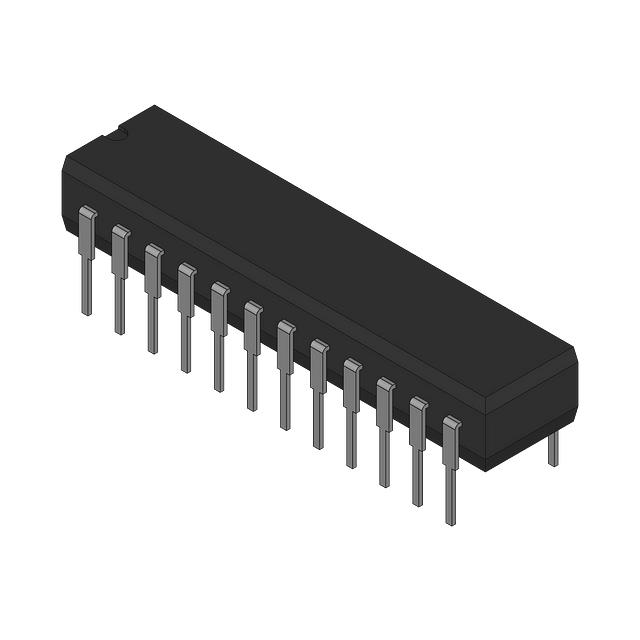 Texas Instruments | Integrated Circuits (ICs) | BUS DRIVER, BCT/FBT SERIES |
 Texas Instruments | Integrated Circuits (ICs) | 12BIT 3.3V~3.6V 210MHZ PARALLEL VQFN-48-EP(7X7) ANALOG TO DIGITAL CONVERTERS (ADC) ROHS |
Texas Instruments | Integrated Circuits (ICs) | TMX320DRE311 179PIN UBGA 200MHZ |
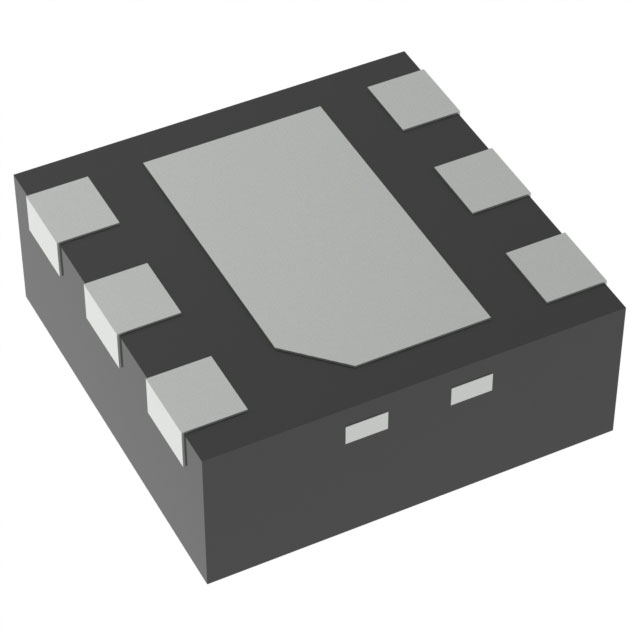 Texas Instruments TPS61040DRVTG4Unknown | Integrated Circuits (ICs) | IC LED DRV RGLTR PWM 350MA 6WSON |
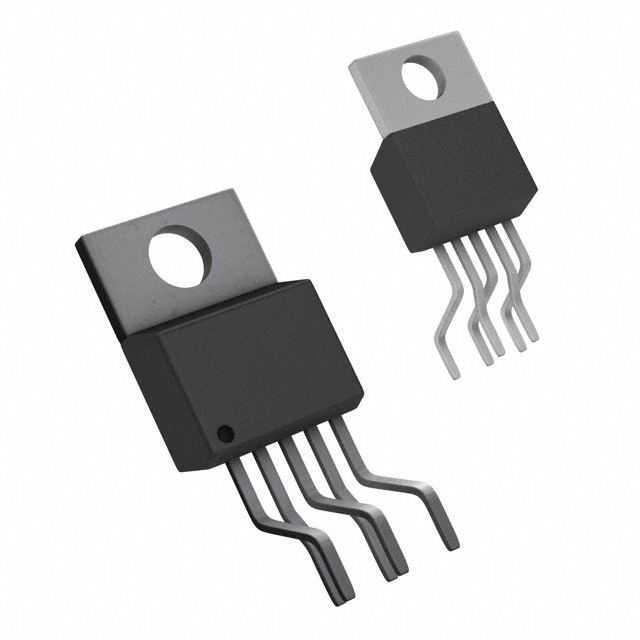 Texas Instruments LP3876ET-2.5Obsolete | Integrated Circuits (ICs) | IC REG LINEAR 2.5V 3A TO220-5 |
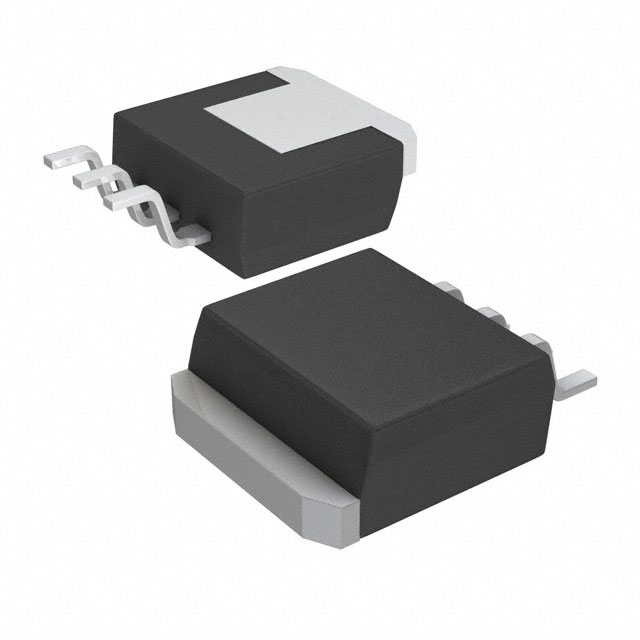 Texas Instruments LMS1585ACSX-ADJObsolete | Integrated Circuits (ICs) | IC REG LIN POS ADJ 5A DDPAK |
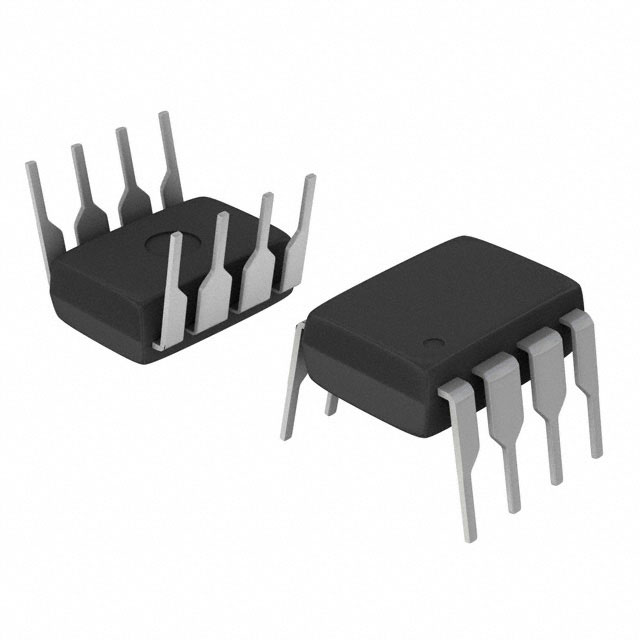 Texas Instruments INA111APG4Obsolete | Integrated Circuits (ICs) | IC INST AMP 1 CIRCUIT 8DIP |
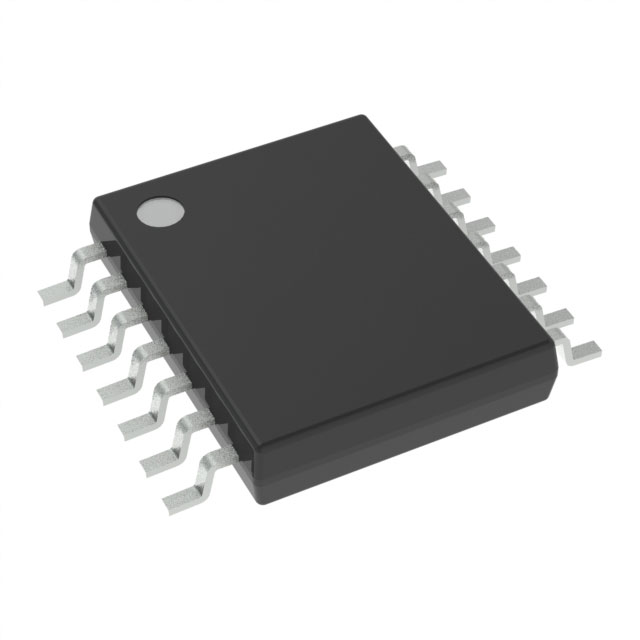 Texas Instruments | Integrated Circuits (ICs) | AUTOMOTIVE, QUAD 36V 1.2MHZ OPERATIONAL AMPLIFIER |
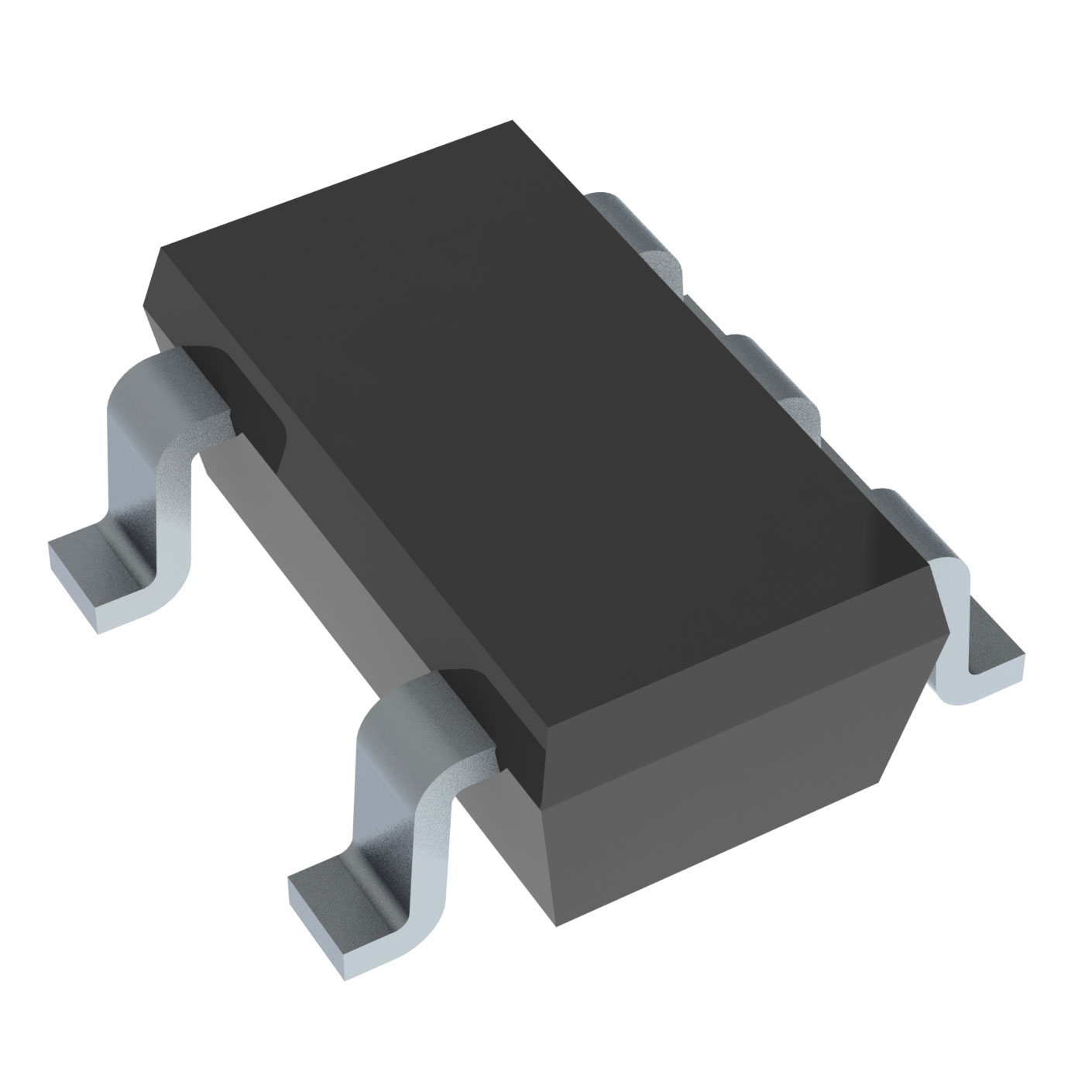 Texas Instruments OPA340NA/3KG4Unknown | Integrated Circuits (ICs) | IC OPAMP GP 1 CIRCUIT SOT23-5 |
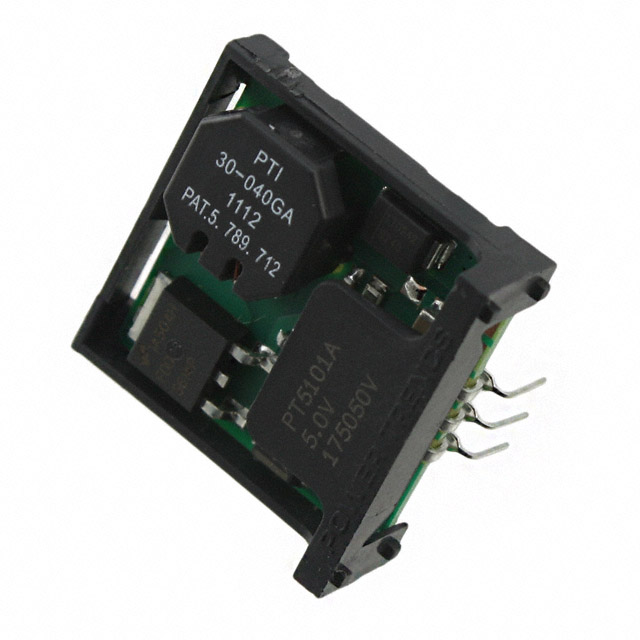 Texas Instruments PT5112AObsolete | Power Supplies - Board Mount | DC DC CONVERTER 8V 8W |
| Series | Category | # Parts | Status | Description |
|---|---|---|---|---|
TMP236-Q1Automotive grade, ±0.5°C analog output temperature sensor with 19.5 mV/°C gain | Temperature Sensors | 10 | Active | The TMP23x devices are a family of precision CMOS integrated-circuit linear analog temperature sensors with an output voltage proportional to temperature engineers can use in multiple analog temperature-sensing applications. These temperature sensors are more accurate than similar pin-compatible devices on the market, featuring typical accuracy from 0°C to +70°C of ±0.5°C. The increased accuracy of the series is designed for many analog temperature-sensing applications.The TMP235 device provides a positive slope output of 10 mV/°C over the full –40°C to +150°C temperature range and a supply range from 2.3 V to 5.5 V. The higher gain TMP236 sensor provides a positive slope output of 19.5 mV/°C from –10°C to +125°C and a supply range from 3.1 V to 5.5 V.
The 9-µA typical quiescent current and 800-µs typical power-on time enable effective power-cycling architectures to minimize power consumption for battery-powered devices. A class-AB output driver provides a strong 500-µA maximum output to drive capacitive loads up to 1000 pF and is designed to directly interface to analog-to-digital converter sample and hold inputs. With excellent accuracy and a strong linear output driver, the TMP23x analog output temperature sensors are cost-effective alternatives to passive thermistors.
The TMP23x devices are a family of precision CMOS integrated-circuit linear analog temperature sensors with an output voltage proportional to temperature engineers can use in multiple analog temperature-sensing applications. These temperature sensors are more accurate than similar pin-compatible devices on the market, featuring typical accuracy from 0°C to +70°C of ±0.5°C. The increased accuracy of the series is designed for many analog temperature-sensing applications.The TMP235 device provides a positive slope output of 10 mV/°C over the full –40°C to +150°C temperature range and a supply range from 2.3 V to 5.5 V. The higher gain TMP236 sensor provides a positive slope output of 19.5 mV/°C from –10°C to +125°C and a supply range from 3.1 V to 5.5 V.
The 9-µA typical quiescent current and 800-µs typical power-on time enable effective power-cycling architectures to minimize power consumption for battery-powered devices. A class-AB output driver provides a strong 500-µA maximum output to drive capacitive loads up to 1000 pF and is designed to directly interface to analog-to-digital converter sample and hold inputs. With excellent accuracy and a strong linear output driver, the TMP23x analog output temperature sensors are cost-effective alternatives to passive thermistors. |
TMP275-Q1Automotive ±0.75°C Temp Sensor with I2C/SMBus Interface in Industry Std LM75 Form Factor & Pinout | Temperature Sensors | 8 | Active | The TMP275-Q1 is a ±0.75°C, accurate integrated digital temperature sensor with a 12-bit, analog-to-digital converter (ADC) that can operate on a supply voltage as low as 2.7 V and is pin- and register-compatible with the Texas Instruments’LM75,TMP75,TMP75B, andTMP175devices. The TMP275-Q1 device is available in 8-pin SOIC and VSSOP packages and requires no external components to sense temperature. The device is capable of reading temperatures with a maximum resolution of 0.0625°C (12 bits) and as low as 0.5°C (9 bits), thus allowing the user to maximize efficiency by programming for higher resolution or faster conversion time. The device is specified over the temperature range of –40°C to +125°C.
The TMP275-Q1 device features SMBus and two-wire interface compatibility and allows up to eight devices on the same bus with the SMBus overtemperature alert function. The factory-calibrated temperature accuracy and the noise-immune digital interface make the TMP275-Q1 the preferred solution for temperature compensation of other sensors and electronic components, without the need for additional system-level calibration or elaborate board layout for distributed temperature sensing.
The TMP275-Q1 is a ±0.75°C, accurate integrated digital temperature sensor with a 12-bit, analog-to-digital converter (ADC) that can operate on a supply voltage as low as 2.7 V and is pin- and register-compatible with the Texas Instruments’LM75,TMP75,TMP75B, andTMP175devices. The TMP275-Q1 device is available in 8-pin SOIC and VSSOP packages and requires no external components to sense temperature. The device is capable of reading temperatures with a maximum resolution of 0.0625°C (12 bits) and as low as 0.5°C (9 bits), thus allowing the user to maximize efficiency by programming for higher resolution or faster conversion time. The device is specified over the temperature range of –40°C to +125°C.
The TMP275-Q1 device features SMBus and two-wire interface compatibility and allows up to eight devices on the same bus with the SMBus overtemperature alert function. The factory-calibrated temperature accuracy and the noise-immune digital interface make the TMP275-Q1 the preferred solution for temperature compensation of other sensors and electronic components, without the need for additional system-level calibration or elaborate board layout for distributed temperature sensing. |
TMP300Resistor-Programmable, up to 18V-Capable Temp Switch and Analog Out Sensor | Temperature Sensors | 8 | Active | The TMP300 is a low-power, resistor-programmable, digital output temperature switch. The device allows a threshold point to be set by adding an external resistor. Two levels of hysteresis are available. The TMP300 has a VTEMPanalog output that can be used as a testing point or in temperature-compensation loops.
Available in two micropackages with proven thermal characteristics, low current consumption, and a supply voltage as low as 1.8 V, the TMP300 is designed for power-sensitive systems that require simple and reliable thermal management.
The TMP300 is a low-power, resistor-programmable, digital output temperature switch. The device allows a threshold point to be set by adding an external resistor. Two levels of hysteresis are available. The TMP300 has a VTEMPanalog output that can be used as a testing point or in temperature-compensation loops.
Available in two micropackages with proven thermal characteristics, low current consumption, and a supply voltage as low as 1.8 V, the TMP300 is designed for power-sensitive systems that require simple and reliable thermal management. |
TMP302-Q1Automotive, Pin-Selectable Trip Point 1.4V-Capable Family of Temperature Switches | Sensors, Transducers | 11 | Active | The TMP302-Q1 family of devices is a temperature switch in a micropackage (SOT563). The TMP302-Q1 family of devices offers low power (15 µA maximum) and ease-of-use through pin-selectable trip points and hysteresis.
These devices require no additional components for operation; they can function independent of microprocessors or microcontrollers.
The TMP302-Q1 family of devices is available in several different versions with trip points from 50ºC to 125ºC in increments of 5ºC (see theDevice Comparison Table).
The TMP302-Q1 family of devices is a temperature switch in a micropackage (SOT563). The TMP302-Q1 family of devices offers low power (15 µA maximum) and ease-of-use through pin-selectable trip points and hysteresis.
These devices require no additional components for operation; they can function independent of microprocessors or microcontrollers.
The TMP302-Q1 family of devices is available in several different versions with trip points from 50ºC to 125ºC in increments of 5ºC (see theDevice Comparison Table). |
TMP303Factory Programmed Temperature Window Comparator | Temperature Sensors | 12 | Active | The TMP303 devices are temperature range monitors that offer design flexibility through an extra small footprint (SOT-563), low power (5 µA maximum) and low supply voltage capability (as low as 1.4 V).
These devices require no additional components for operation; each can function independent of microprocessors or microcontrollers.
There are seven trip points available seeDevice Options. Trip points can be programmed at the factory to any desired temperature. For applications that require different values, contact your local TI representative.
The OUT pin is a push-pull, active-high output. When the measured temperature is beyond the trip point range, and the Set Output High (SOH) pin is low, the OUT pin is high. The SOH pin is an input pin with an internal pulldown resistor. When the SOH pin is forced high, the OUT pin goes high regardless of the measured temperature.
The TMP303 devices are temperature range monitors that offer design flexibility through an extra small footprint (SOT-563), low power (5 µA maximum) and low supply voltage capability (as low as 1.4 V).
These devices require no additional components for operation; each can function independent of microprocessors or microcontrollers.
There are seven trip points available seeDevice Options. Trip points can be programmed at the factory to any desired temperature. For applications that require different values, contact your local TI representative.
The OUT pin is a push-pull, active-high output. When the measured temperature is beyond the trip point range, and the Set Output High (SOH) pin is low, the OUT pin is high. The SOH pin is an input pin with an internal pulldown resistor. When the SOH pin is forced high, the OUT pin goes high regardless of the measured temperature. |
| Microcontrollers | 1 | Obsolete | ||
TMP390-Q1Automotive grade, ultra-small, dual-channel, 0.5-μA, resistor-programmable temperature switch | Development Boards, Kits, Programmers | 5 | Active | The TMP390-Q1 device is part of a family of ultra-low power, dual channel, resistor programmable temperature switches that enable protection and detection of system thermal events from –55°C to 130°C. The TMP390-Q1 offers independent overtemperature (hot) and undertemperature (cold) detection . The trip temperatures (TTRIP) and thermal hysteresis (THYST) options are programmed by two E96-series resistors (1% tolerance) on the SETA and SETB pins. Channel A resistors can range from 1.05 KΩ to 909 KΩ, representing one of 48 unique values. Channel B resistors can range from 10.5 KΩ to 909 KΩ
The value of the resistor to ground on SETA input sets the TTRIPthreshold of Channel A. The value of the resistor to ground on SETB input sets the TTRIPthreshold of Channel B, as well as the THYSToptions of 5°C, or 10°C for both channels, to prevent undesired digital output switching. When the SETB input is connected to ground, Channel A operates with 20°C hysteresis. Resistors accuracy has no impact to TTRIPaccuracy.
To enable customer board-level manufacturing, the TMP390-Q1 supports a trip test function where the digital outputs are activated by exercising the SETA or SETB pin.
The TMP390-Q1 device is part of a family of ultra-low power, dual channel, resistor programmable temperature switches that enable protection and detection of system thermal events from –55°C to 130°C. The TMP390-Q1 offers independent overtemperature (hot) and undertemperature (cold) detection . The trip temperatures (TTRIP) and thermal hysteresis (THYST) options are programmed by two E96-series resistors (1% tolerance) on the SETA and SETB pins. Channel A resistors can range from 1.05 KΩ to 909 KΩ, representing one of 48 unique values. Channel B resistors can range from 10.5 KΩ to 909 KΩ
The value of the resistor to ground on SETA input sets the TTRIPthreshold of Channel A. The value of the resistor to ground on SETB input sets the TTRIPthreshold of Channel B, as well as the THYSToptions of 5°C, or 10°C for both channels, to prevent undesired digital output switching. When the SETB input is connected to ground, Channel A operates with 20°C hysteresis. Resistors accuracy has no impact to TTRIPaccuracy.
To enable customer board-level manufacturing, the TMP390-Q1 supports a trip test function where the digital outputs are activated by exercising the SETA or SETB pin. |
TMP392TMP392 Dual-channel (hot & warm), resistor-programmable temperature switch | Development Boards, Kits, Programmers | 3 | Active | The TMP392 device is part of a family of ultra-low power, dual channel, resistor programmable temperature switches that enable protection and detection of system thermal events from 30°C to 130°C. The TMP392 offers dual overtemperature (hot and warm) detection. The trip temperatures (TTRIP) and thermal hysteresis (THYST) options are programmed by two E96-series resistors (1% tolerance) on the SETA and SETB pins. Channel A resistors can range from 1.05 KΩ to 909 KΩ, representing one of 48 unique values. Channel B resistors can range from 10.5 KΩ to 909 KΩ
The value of the resistor to ground on SETA input sets the TTRIPthreshold of Channel A. The value of the resistor to ground on SETB input sets the TTRIPthreshold of Channel B, as well as the THYSToptions of 5°C, or 10°C for both channels, to prevent undesired digital output switching. When the SETB input is connected to ground, Channel A operates with 20°C hysteresis. Resistors accuracy has no impact to TTRIPaccuracy.
To enable customer board-level manufacturing, the TMP392 supports a trip test function where the digital outputs are activated by exercising the SETA or SETB pin.
The TMP392 device is part of a family of ultra-low power, dual channel, resistor programmable temperature switches that enable protection and detection of system thermal events from 30°C to 130°C. The TMP392 offers dual overtemperature (hot and warm) detection. The trip temperatures (TTRIP) and thermal hysteresis (THYST) options are programmed by two E96-series resistors (1% tolerance) on the SETA and SETB pins. Channel A resistors can range from 1.05 KΩ to 909 KΩ, representing one of 48 unique values. Channel B resistors can range from 10.5 KΩ to 909 KΩ
The value of the resistor to ground on SETA input sets the TTRIPthreshold of Channel A. The value of the resistor to ground on SETB input sets the TTRIPthreshold of Channel B, as well as the THYSToptions of 5°C, or 10°C for both channels, to prevent undesired digital output switching. When the SETB input is connected to ground, Channel A operates with 20°C hysteresis. Resistors accuracy has no impact to TTRIPaccuracy.
To enable customer board-level manufacturing, the TMP392 supports a trip test function where the digital outputs are activated by exercising the SETA or SETB pin. |
TMP400Remote and Local Temperature Sensor with N-Factor and Series-R Correction in QSSOP-16 | Analog and Digital Output | 1 | Active | The TMP400 is a remote temperature sensor monitor with a built-in local temperature sensor. The remote temperature sensor diode-connected transistors are typically low-cost, NPN- or PNP-type transistors or diodes that are an integral part of microcontrollers, microprocessors, or FPGAs.
Remote accuracy is ±1°C for multiple IC manufacturers, with no calibration needed. The Two-Wire serial interface accepts SMBus write byte, read byte, send byte, and receive byte commands to program the alarm thresholds and to read temperature data.
The TMP400 is customizable with programmable: series resistance cancellation, non-ideality factor, resolution, and threshold limits. Other features are: minimum and maximum temperature monitors, wide remote temperature measurement range (up to +127.9375°C), diode fault detection, and temperature alert function.
The TMP400 is available in a QSSOP-16 package.
The TMP400 is a remote temperature sensor monitor with a built-in local temperature sensor. The remote temperature sensor diode-connected transistors are typically low-cost, NPN- or PNP-type transistors or diodes that are an integral part of microcontrollers, microprocessors, or FPGAs.
Remote accuracy is ±1°C for multiple IC manufacturers, with no calibration needed. The Two-Wire serial interface accepts SMBus write byte, read byte, send byte, and receive byte commands to program the alarm thresholds and to read temperature data.
The TMP400 is customizable with programmable: series resistance cancellation, non-ideality factor, resolution, and threshold limits. Other features are: minimum and maximum temperature monitors, wide remote temperature measurement range (up to +127.9375°C), diode fault detection, and temperature alert function.
The TMP400 is available in a QSSOP-16 package. |
TMP401Remote and Local Temperature Sensor with N-Factor and Series-R Correction in VSSOP-8 | Analog and Digital Output | 2 | Obsolete | The TMP401 is a remote temperature sensor monitor with a built-in local temperature sensor. The remote sensor is capable of monitoring the temperature of any external PN junction. Typical sense elements include low-cost NPN- or PNP-type transistors and diodes, or accessible thermal diodes integrated within microcontrollers, microprocessors, or field-programmable gate arrays (FPGAs).
The accuracy of the remote sensor is ±1°C for multiple IC manufacturers, with no calibration needed. The two-wire serial interface accepts SMBus write byte, read byte, send byte, and receive byte commands to program alarm thresholds and to read temperature data.
Features included in the TMP401 are series resistance cancellation, wide remote temperature measurement range (up to +150°C), diode fault detection, and temperature alert functions.
The TMP401 is a remote temperature sensor monitor with a built-in local temperature sensor. The remote sensor is capable of monitoring the temperature of any external PN junction. Typical sense elements include low-cost NPN- or PNP-type transistors and diodes, or accessible thermal diodes integrated within microcontrollers, microprocessors, or field-programmable gate arrays (FPGAs).
The accuracy of the remote sensor is ±1°C for multiple IC manufacturers, with no calibration needed. The two-wire serial interface accepts SMBus write byte, read byte, send byte, and receive byte commands to program alarm thresholds and to read temperature data.
Features included in the TMP401 are series resistance cancellation, wide remote temperature measurement range (up to +150°C), diode fault detection, and temperature alert functions. |