T
Texas Instruments
| Series | Category | # Parts | Status | Description |
|---|---|---|---|---|
| Part | Spec A | Spec B | Spec C | Spec D | Description |
|---|---|---|---|---|---|



| Series | Category | # Parts | Status | Description |
|---|---|---|---|---|
| Part | Spec A | Spec B | Spec C | Spec D | Description |
|---|---|---|---|---|---|
| Series | Category | # Parts | Status | Description |
|---|---|---|---|---|
TIC10024-Q1Automotive 35-V multi-switch detection interface (MSDI) with SPI | Specialized | 1 | Active | The TIC10024-Q1 is an advanced Multiple Switch Detection Interface (MSDI) device designed to detect external switch status in a 12-V automotive system. The TIC10024-Q1 features a comparator with adjustable thresholds to monitor digital switches independently of the MCU. The device monitors 24 direct switch inputs, with 10 inputs configurable to monitor switches connected to either ground or battery. There are 6 unique wetting current settings that can be programmed for each input to support different application scenarios. The device supports wake-up operation on all switch inputs to eliminate the need to keep the MCU active continuously, thus reducing power consumption of the system. The TIC10024-Q1 also offers integrated fault detection and ESD protection for improved system robustness. The TIC10024-Q1 supports 2 modes of operations: continuous and polling mode. In continuous mode, wetting current is supplied continuously. In polling mode, wetting current is turned on periodically to sample the input status based on a programmable timer, thus the system power consumption is significantly reduced.
The TIC10024-Q1 is an advanced Multiple Switch Detection Interface (MSDI) device designed to detect external switch status in a 12-V automotive system. The TIC10024-Q1 features a comparator with adjustable thresholds to monitor digital switches independently of the MCU. The device monitors 24 direct switch inputs, with 10 inputs configurable to monitor switches connected to either ground or battery. There are 6 unique wetting current settings that can be programmed for each input to support different application scenarios. The device supports wake-up operation on all switch inputs to eliminate the need to keep the MCU active continuously, thus reducing power consumption of the system. The TIC10024-Q1 also offers integrated fault detection and ESD protection for improved system robustness. The TIC10024-Q1 supports 2 modes of operations: continuous and polling mode. In continuous mode, wetting current is supplied continuously. In polling mode, wetting current is turned on periodically to sample the input status based on a programmable timer, thus the system power consumption is significantly reduced. |
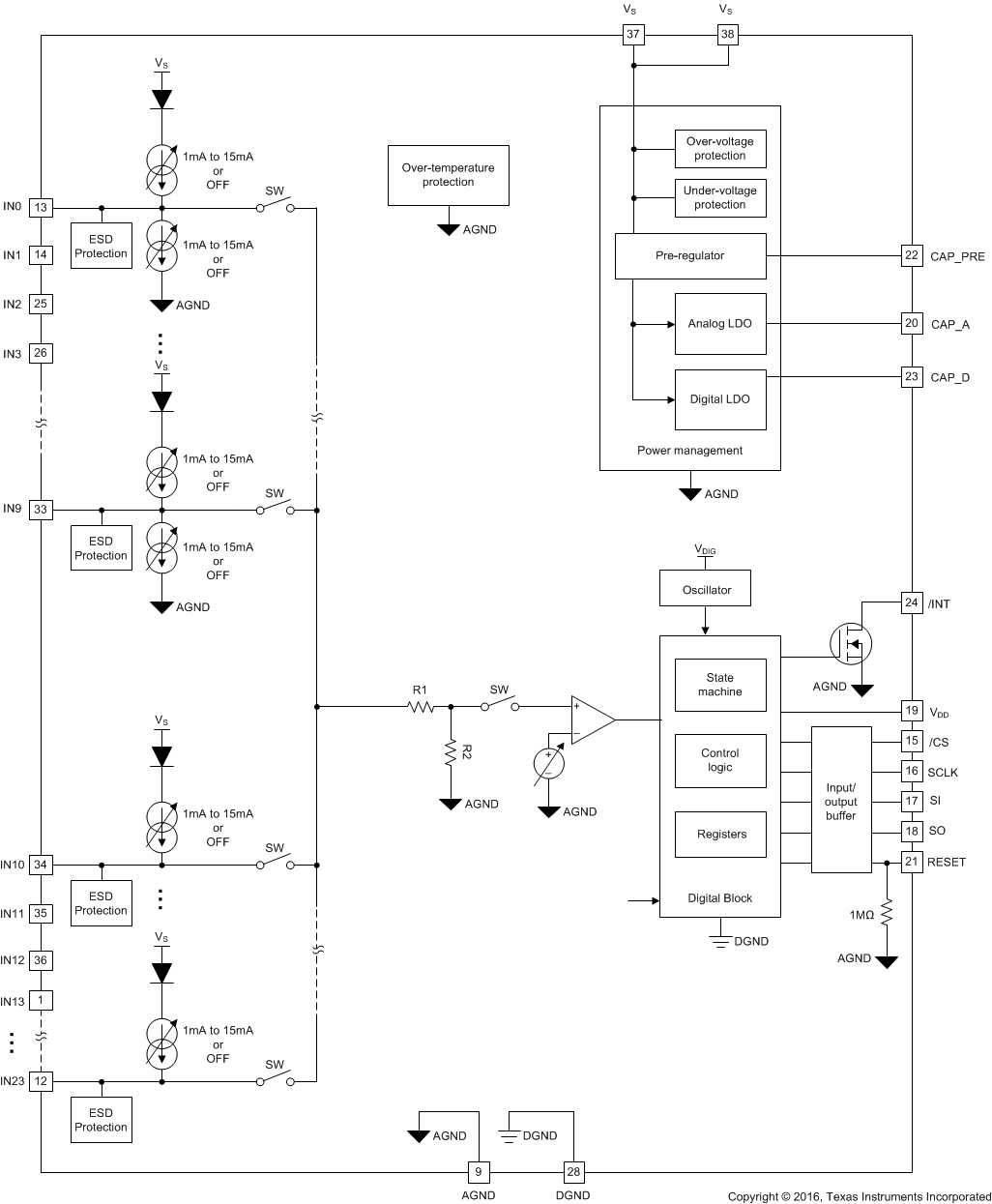
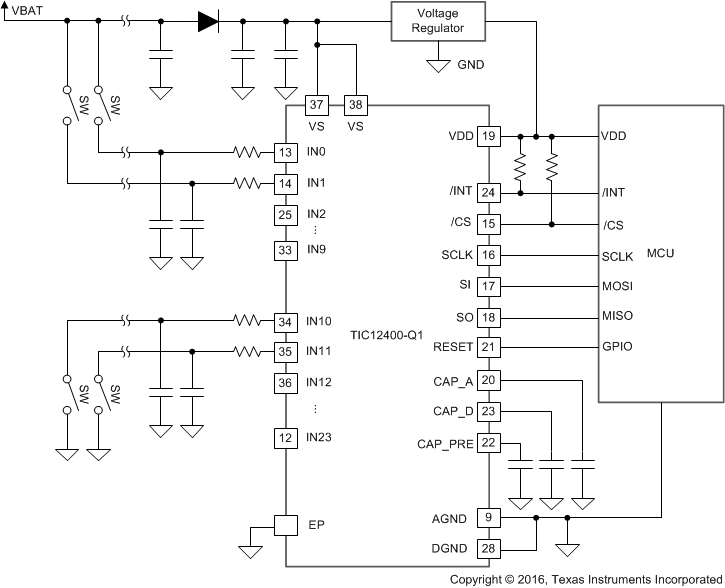
TIC12400-Q1Automotive 35-V multi-switch detection interface (MSDI) with SPI & integrated ADC | Evaluation Boards | 3 | Active | The TIC12400-Q1 is an advanced Multiple Switch Detection Interface (MSDI) designed to detect external switch status in a 12-V automotive system. The TIC12400-Q1 features an integrated 10-bit ADC to monitor multi-position analog switches and a comparator to monitor digital switches independently of the MCU. Detection thresholds can be programmed for the ADC and the comparator to support various switch topologies and system non-idealities. The device monitors 24 direct switch inputs, with 10 inputs configurable to monitor switches connected to either ground or battery. 6 unique wetting current settings can be programmed for each input to support different application scenarios. The device supports wake-up operation on all switch inputs to eliminate the need to keep the MCU active continuously, thus reducing power consumption of the system. The TIC12400-Q1 also offers integrated fault detection, ESD protection, and diagnostic functions for improved system robustness. The TIC12400-Q1 supports 2 modes of operations: continuous and polling mode. In continuous mode, wetting current is supplied continuously. In polling mode, wetting current is turned on periodically to sample the input status based on a programmable timer, thus the system power consumption is significantly reduced.
The TIC12400-Q1 is an advanced Multiple Switch Detection Interface (MSDI) designed to detect external switch status in a 12-V automotive system. The TIC12400-Q1 features an integrated 10-bit ADC to monitor multi-position analog switches and a comparator to monitor digital switches independently of the MCU. Detection thresholds can be programmed for the ADC and the comparator to support various switch topologies and system non-idealities. The device monitors 24 direct switch inputs, with 10 inputs configurable to monitor switches connected to either ground or battery. 6 unique wetting current settings can be programmed for each input to support different application scenarios. The device supports wake-up operation on all switch inputs to eliminate the need to keep the MCU active continuously, thus reducing power consumption of the system. The TIC12400-Q1 also offers integrated fault detection, ESD protection, and diagnostic functions for improved system robustness. The TIC12400-Q1 supports 2 modes of operations: continuous and polling mode. In continuous mode, wetting current is supplied continuously. In polling mode, wetting current is turned on periodically to sample the input status based on a programmable timer, thus the system power consumption is significantly reduced. |
| Integrated Circuits (ICs) | 1 | Obsolete | ||
TICPAL22V10Z-25CEPICCMOS Programmable Array Logic Circuits | PLDs (Programmable Logic Device) | 1 | Active | The CMOS PLD devices feature variable product terms, flexible outputs, and virtually zero standby power. It combines TI's EPICTM(Enhanced Processed Implanted CMOS) process with ultraviolet-light-erasable EPROM technology. Each output has an output logic macrocell (OLM) configuration allowing for user definition of the output type. This device provides reliable, low-power substitutes for numerous high-performance TTL PLDs with gate complexities between 300 and 800 gates.
The TICPAL22V10Z has 12 dedicated inputs and 10 user-definable outputs. Individual outputs can be programmed as registered or combinational and inverting or noninverting as shown in the OLM diagram. These ten outputs are enabled through the use of individual product terms.
The variable product-term distribution on this device removes rigid limitation to a maximum of eight product terms per output. This technique allocates from 8 to 16 logical product terms to each output for an average of 12 product terms per output. The variable allocation of product terms allows for far more complex functions to be implemented in this device than in previously available devices.
With features such as the programable OLMs and the variable product-term distribution, the TICPAL22V10Z offers quick design and development of custom LSI functions. Since each of the ten output pins may be individually configured as inputs on either a temporary or permanent basis, functions requiring up to 21 inputs and a single output or down to 12 inputs and 10 outputs can be implemented with this device.
Design complexity is enhanced by the addition of synchronous set and asynchronous reset product terms. These functions are common to all registers. When the synchronous set product term is a logic 1, the output registers are loaded with a logic 1 on the next low-to-high clock transition. When the asynchronous reset product term is a logic 1, the output registers are loaded with a logic 0 independently of the clock. The output logic level after set or reset will depend on the polarity selected during programming.
Output registers of this device can be preloaded to any desired state during testing, thus allowing for full logical verification during product testing.
The TICPAL22V10Z has internal electrostatic discharge (ESD) protection circuits and has been classified with a 2000-V ESD rating tested under MIL-STD-883C, Method 3015.6. However, care should be exercised in handling these devices, as exposure to ESD may result in a degradation of the device parametric performance.
The floating-gate programmable cells allow the devices to be fully programmed and tested before assembly to assure high field programming yield and functionality. They are then erased by ultraviolet light before packaging.
The TICPAL22V10Z-25C is characterized for operation from 0°C to 75°C. The TICPAL22V10Z-30I is characterized for operation from –40°C to 85°C.
The CMOS PLD devices feature variable product terms, flexible outputs, and virtually zero standby power. It combines TI's EPICTM(Enhanced Processed Implanted CMOS) process with ultraviolet-light-erasable EPROM technology. Each output has an output logic macrocell (OLM) configuration allowing for user definition of the output type. This device provides reliable, low-power substitutes for numerous high-performance TTL PLDs with gate complexities between 300 and 800 gates.
The TICPAL22V10Z has 12 dedicated inputs and 10 user-definable outputs. Individual outputs can be programmed as registered or combinational and inverting or noninverting as shown in the OLM diagram. These ten outputs are enabled through the use of individual product terms.
The variable product-term distribution on this device removes rigid limitation to a maximum of eight product terms per output. This technique allocates from 8 to 16 logical product terms to each output for an average of 12 product terms per output. The variable allocation of product terms allows for far more complex functions to be implemented in this device than in previously available devices.
With features such as the programable OLMs and the variable product-term distribution, the TICPAL22V10Z offers quick design and development of custom LSI functions. Since each of the ten output pins may be individually configured as inputs on either a temporary or permanent basis, functions requiring up to 21 inputs and a single output or down to 12 inputs and 10 outputs can be implemented with this device.
Design complexity is enhanced by the addition of synchronous set and asynchronous reset product terms. These functions are common to all registers. When the synchronous set product term is a logic 1, the output registers are loaded with a logic 1 on the next low-to-high clock transition. When the asynchronous reset product term is a logic 1, the output registers are loaded with a logic 0 independently of the clock. The output logic level after set or reset will depend on the polarity selected during programming.
Output registers of this device can be preloaded to any desired state during testing, thus allowing for full logical verification during product testing.
The TICPAL22V10Z has internal electrostatic discharge (ESD) protection circuits and has been classified with a 2000-V ESD rating tested under MIL-STD-883C, Method 3015.6. However, care should be exercised in handling these devices, as exposure to ESD may result in a degradation of the device parametric performance.
The floating-gate programmable cells allow the devices to be fully programmed and tested before assembly to assure high field programming yield and functionality. They are then erased by ultraviolet light before packaging.
The TICPAL22V10Z-25C is characterized for operation from 0°C to 75°C. The TICPAL22V10Z-30I is characterized for operation from –40°C to 85°C. |
| DC/DC & AC/DC (Off-Line) SMPS Evaluation Boards | 2 | Active | ||
TIOL1113IO-Link device transceiver with integrated surge protection and 3.3-V LDO output | Drivers, Receivers, Transceivers | 2 | Active | The TIOL111(x) family of transceivers implements the IO-Link interface for industrial bidirectional, point-to-point communication. When the device is connected to an IO-Link master through a three-wire interface, the master can initiate communication and exchange data with the remote node while the TIOL111(x) acts as a complete physical layer for the communication.
These devices are capable of withstanding up to 1.2 kV (500 Ω) of IEC 61000-4-5 surge and feature integrated reverse polarity protection.
A simple pin-programmable interface allows easy interfacing to the controller circuits. The output current limit can be configured using an external resistor.
Fault reporting and internal protection functions are provided for under voltage, over current and over temperature conditions.
The TIOL111(x) family of transceivers implements the IO-Link interface for industrial bidirectional, point-to-point communication. When the device is connected to an IO-Link master through a three-wire interface, the master can initiate communication and exchange data with the remote node while the TIOL111(x) acts as a complete physical layer for the communication.
These devices are capable of withstanding up to 1.2 kV (500 Ω) of IEC 61000-4-5 surge and feature integrated reverse polarity protection.
A simple pin-programmable interface allows easy interfacing to the controller circuits. The output current limit can be configured using an external resistor.
Fault reporting and internal protection functions are provided for under voltage, over current and over temperature conditions. |
TIOL112IO-Link device transceiver with low residual voltage and integrated surge protection | Integrated Circuits (ICs) | 1 | Active | The TIOL112(x) family of transceivers implements the IO-Link interface for industrial bidirectional, point-to-point communication. When the device is connected to an IO-Link master through a three-wire interface, the master initiates communication and exchange data with the remote node while the TIOL112(x) acts as a complete physical layer for the communication.
These devices are capable of withstanding up to 1.2 kV (500 Ω) of IEC 61000-4-5 surge and feature integrated reverse polarity protection. A simple pin-programmable interface allows easy interfacing with the controller circuits. The output current limit can be configured using an external resistor. TIOL112(x) can be configured to generate wake-up pulse and be used in IO-link master applications. Fault reporting and internal protection functions are provided for undervoltage, overcurrent and overtemperature conditions.
The TIOL112(x) family of transceivers implements the IO-Link interface for industrial bidirectional, point-to-point communication. When the device is connected to an IO-Link master through a three-wire interface, the master initiates communication and exchange data with the remote node while the TIOL112(x) acts as a complete physical layer for the communication.
These devices are capable of withstanding up to 1.2 kV (500 Ω) of IEC 61000-4-5 surge and feature integrated reverse polarity protection. A simple pin-programmable interface allows easy interfacing with the controller circuits. The output current limit can be configured using an external resistor. TIOL112(x) can be configured to generate wake-up pulse and be used in IO-link master applications. Fault reporting and internal protection functions are provided for undervoltage, overcurrent and overtemperature conditions. |
TIOL1125IO-Link device transceiver with low residual voltage, integrated surge protection, & 5-V LDO output | Drivers, Receivers, Transceivers | 1 | Active | The TIOL112(x) family of transceivers implements the IO-Link interface for industrial bidirectional, point-to-point communication. When the device is connected to an IO-Link master through a three-wire interface, the master initiates communication and exchange data with the remote node while the TIOL112(x) acts as a complete physical layer for the communication.
These devices are capable of withstanding up to 1.2 kV (500 Ω) of IEC 61000-4-5 surge and feature integrated reverse polarity protection. A simple pin-programmable interface allows easy interfacing with the controller circuits. The output current limit can be configured using an external resistor. TIOL112(x) can be configured to generate wake-up pulse and be used in IO-link master applications. Fault reporting and internal protection functions are provided for undervoltage, overcurrent and overtemperature conditions.
The TIOL112(x) family of transceivers implements the IO-Link interface for industrial bidirectional, point-to-point communication. When the device is connected to an IO-Link master through a three-wire interface, the master initiates communication and exchange data with the remote node while the TIOL112(x) acts as a complete physical layer for the communication.
These devices are capable of withstanding up to 1.2 kV (500 Ω) of IEC 61000-4-5 surge and feature integrated reverse polarity protection. A simple pin-programmable interface allows easy interfacing with the controller circuits. The output current limit can be configured using an external resistor. TIOL112(x) can be configured to generate wake-up pulse and be used in IO-link master applications. Fault reporting and internal protection functions are provided for undervoltage, overcurrent and overtemperature conditions. |
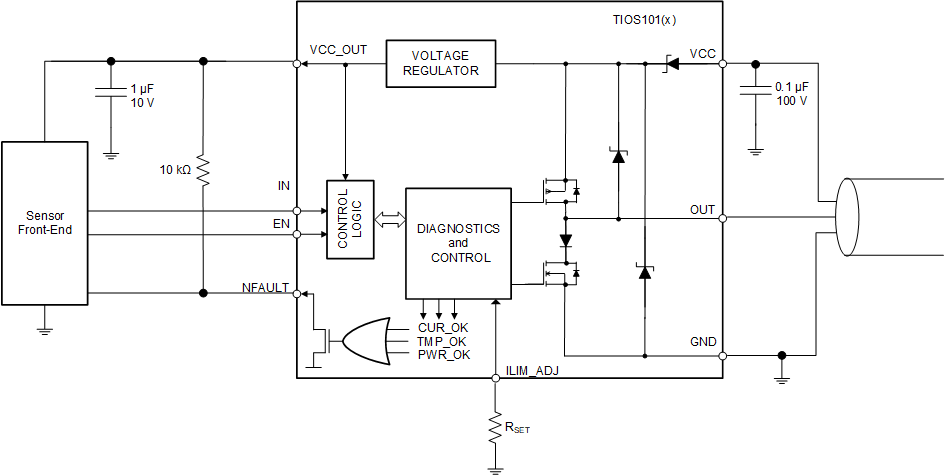
TIOS1015Digital sensor output driver with integrated surge protection and 3.3-V LDO output | Development Boards, Kits, Programmers | 5 | Active | The TIOS101(x) devices are configurable as high-side, low-side or push-pull drivers. These devices are capable of withstanding up to 1.2 kV (500 Ω) of IEC 61000-4-5 surge and feature integrated reverse polarity protection.
A simple pin-programmable interface allows easy interfacing to the controller circuits. The output current limit can be configured using an external resistor.
Fault reporting and internal protection functions are provided for under voltage, over circuit current and over temperature.
The TIOS101(x) devices are configurable as high-side, low-side or push-pull drivers. These devices are capable of withstanding up to 1.2 kV (500 Ω) of IEC 61000-4-5 surge and feature integrated reverse polarity protection.
A simple pin-programmable interface allows easy interfacing to the controller circuits. The output current limit can be configured using an external resistor.
Fault reporting and internal protection functions are provided for under voltage, over circuit current and over temperature. |
TIOS1023Digital sensor output driver with low residual voltage, integrated surge protection, and 3.3-V LDO | Integrated Circuits (ICs) | 1 | Active | The TIOS102(x) devices are configurable as high-side, low-side or push-pull drivers. These devices are capable of withstanding up to 1.2 kV (500 Ω) of IEC 61000-4-5 surge and feature integrated reverse polarity protection.
A pin-programmable interface allows easy interfacing to the circuits. The output current limit can be configured using an external resistor. Fault reporting and internal protection functions are provided for undervoltage, overcurrent and overtemperature conditions.
The TIOS102(x) devices are configurable as high-side, low-side or push-pull drivers. These devices are capable of withstanding up to 1.2 kV (500 Ω) of IEC 61000-4-5 surge and feature integrated reverse polarity protection.
A pin-programmable interface allows easy interfacing to the circuits. The output current limit can be configured using an external resistor. Fault reporting and internal protection functions are provided for undervoltage, overcurrent and overtemperature conditions. |
| Part | Category | Description |
|---|---|---|
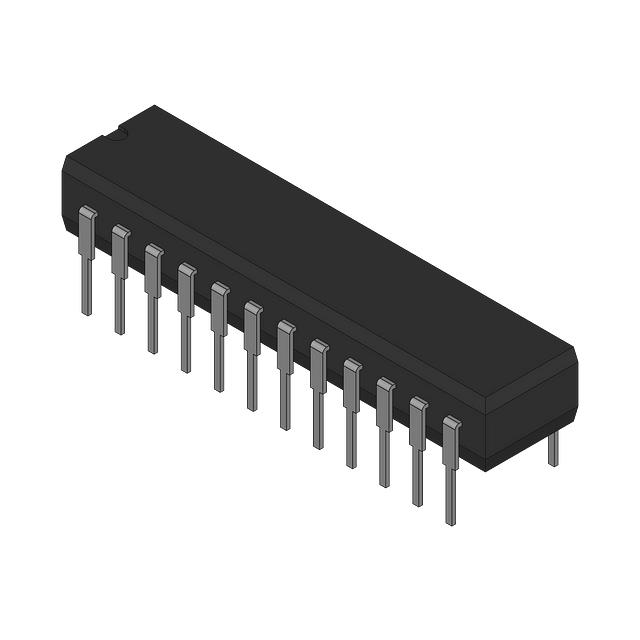 Texas Instruments | Integrated Circuits (ICs) | BUS DRIVER, BCT/FBT SERIES |
 Texas Instruments | Integrated Circuits (ICs) | 12BIT 3.3V~3.6V 210MHZ PARALLEL VQFN-48-EP(7X7) ANALOG TO DIGITAL CONVERTERS (ADC) ROHS |
Texas Instruments | Integrated Circuits (ICs) | TMX320DRE311 179PIN UBGA 200MHZ |
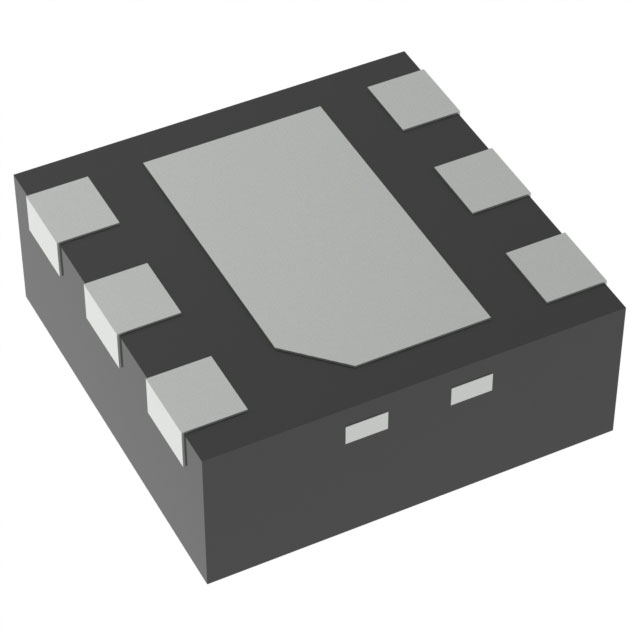 Texas Instruments TPS61040DRVTG4Unknown | Integrated Circuits (ICs) | IC LED DRV RGLTR PWM 350MA 6WSON |
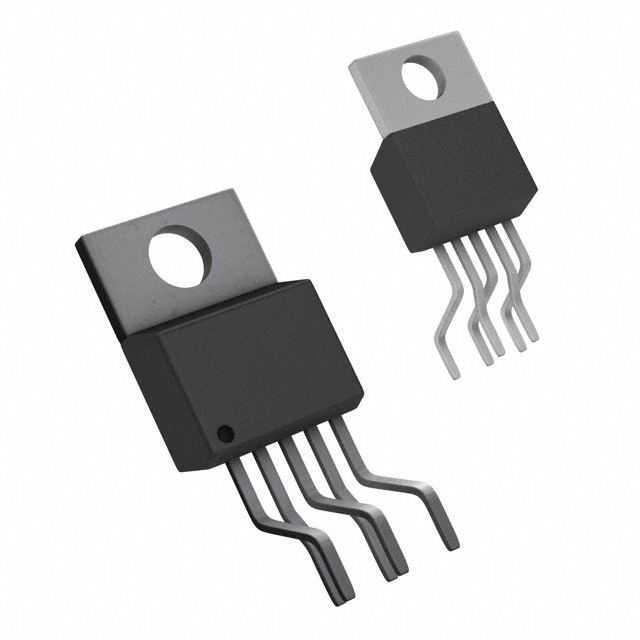 Texas Instruments LP3876ET-2.5Obsolete | Integrated Circuits (ICs) | IC REG LINEAR 2.5V 3A TO220-5 |
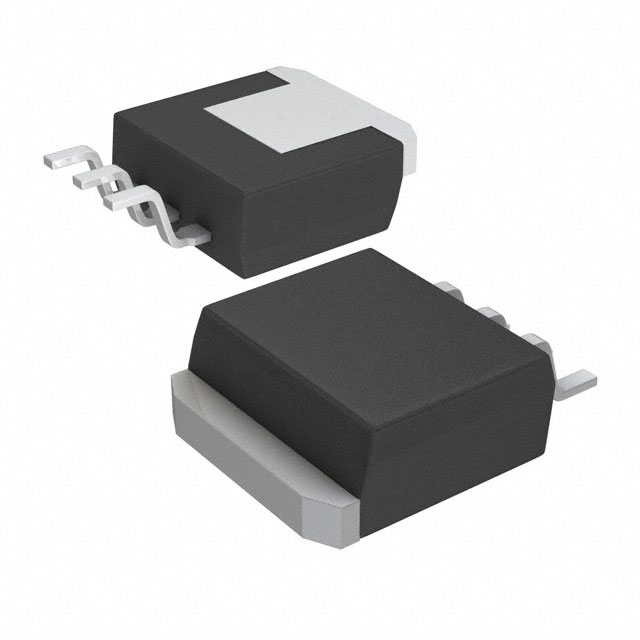 Texas Instruments LMS1585ACSX-ADJObsolete | Integrated Circuits (ICs) | IC REG LIN POS ADJ 5A DDPAK |
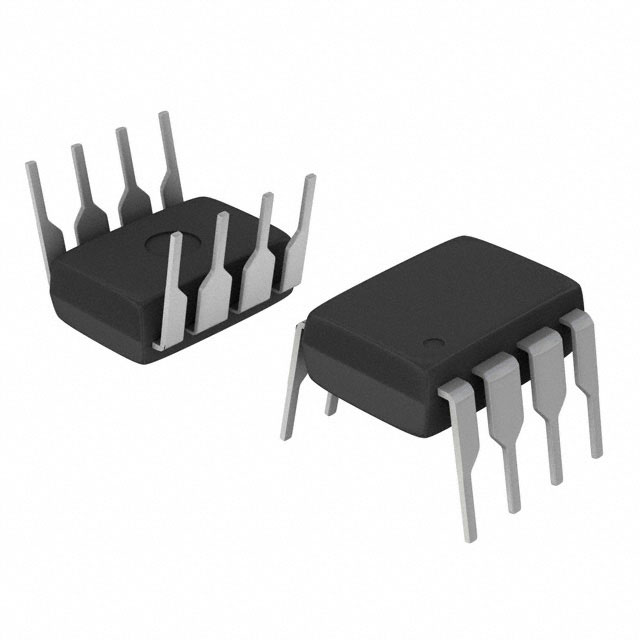 Texas Instruments INA111APG4Obsolete | Integrated Circuits (ICs) | IC INST AMP 1 CIRCUIT 8DIP |
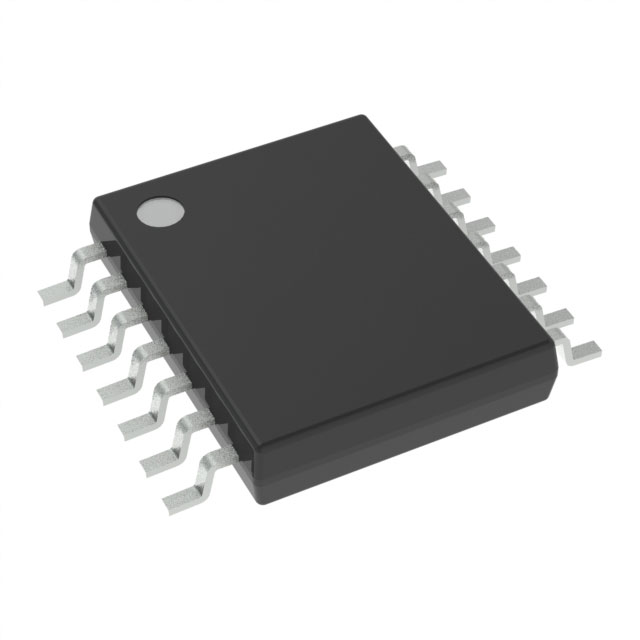 Texas Instruments | Integrated Circuits (ICs) | AUTOMOTIVE, QUAD 36V 1.2MHZ OPERATIONAL AMPLIFIER |
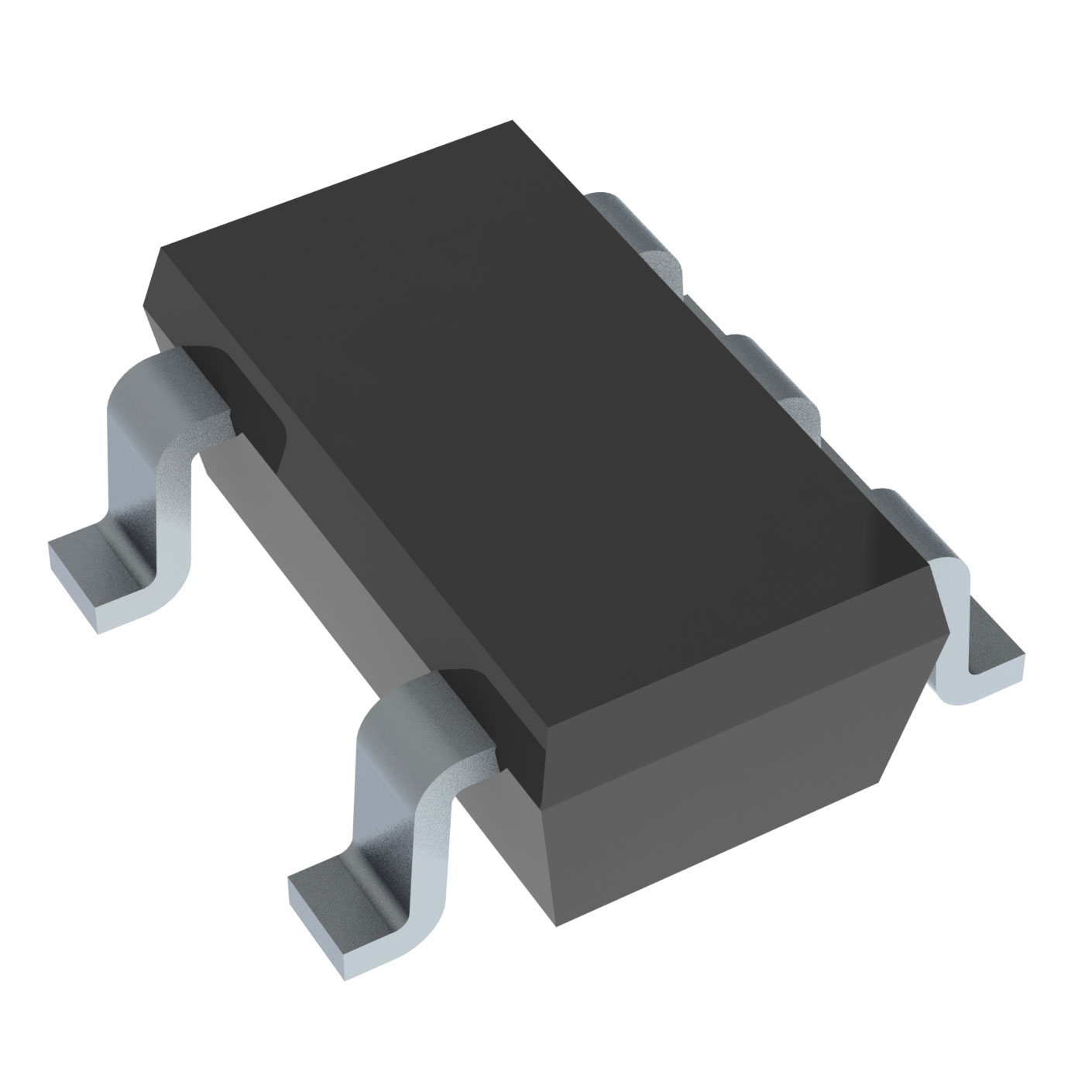 Texas Instruments OPA340NA/3KG4Unknown | Integrated Circuits (ICs) | IC OPAMP GP 1 CIRCUIT SOT23-5 |
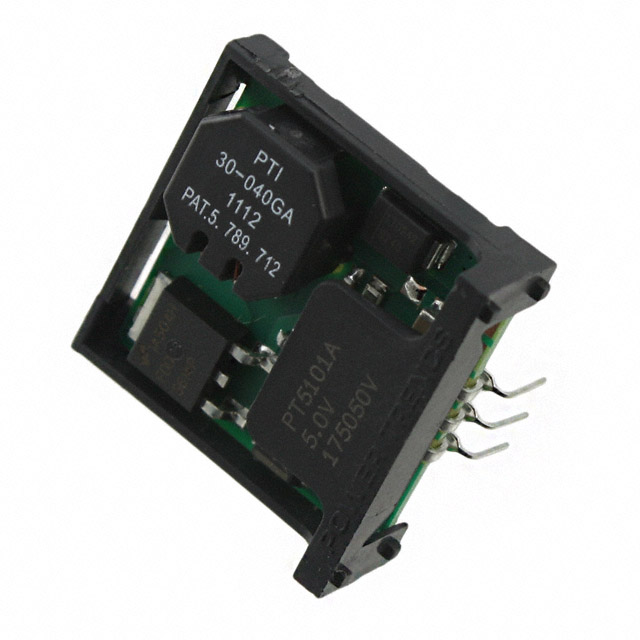 Texas Instruments PT5112AObsolete | Power Supplies - Board Mount | DC DC CONVERTER 8V 8W |