R
Renesas Electronics Corporation
| Series | Category | # Parts | Status | Description |
|---|---|---|---|---|
| Part | Spec A | Spec B | Spec C | Spec D | Description |
|---|---|---|---|---|---|



| Series | Category | # Parts | Status | Description |
|---|---|---|---|---|
| Part | Spec A | Spec B | Spec C | Spec D | Description |
|---|---|---|---|---|---|
| Part | Category | Description |
|---|---|---|
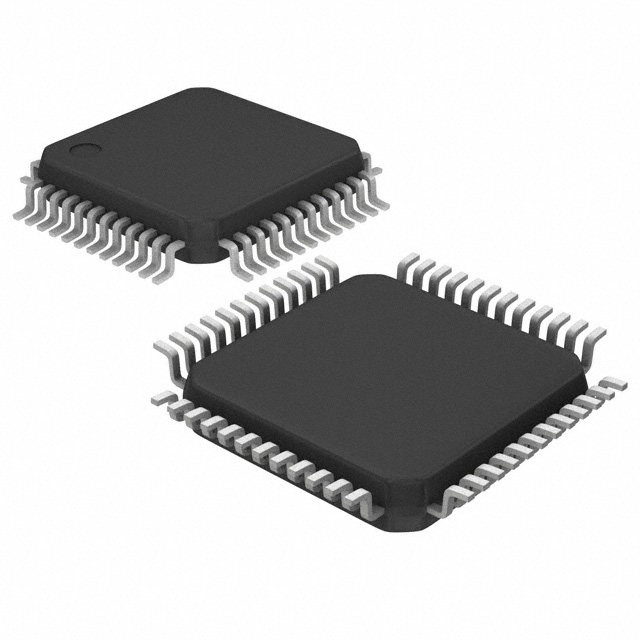 Renesas Electronics Corporation | Integrated Circuits (ICs) | IC MCU 32BIT 1MB FLASH 48LFQFP |
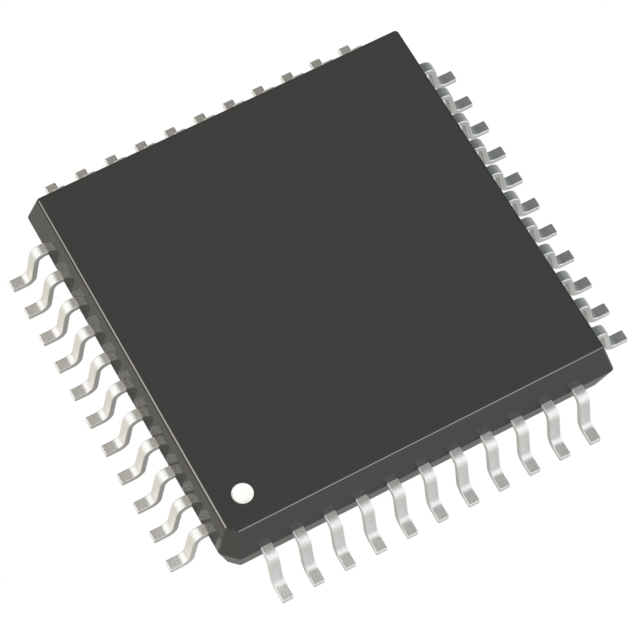 Renesas Electronics Corporation | Integrated Circuits (ICs) | 16-BIT GENERAL MCU RL78/G23 96K |
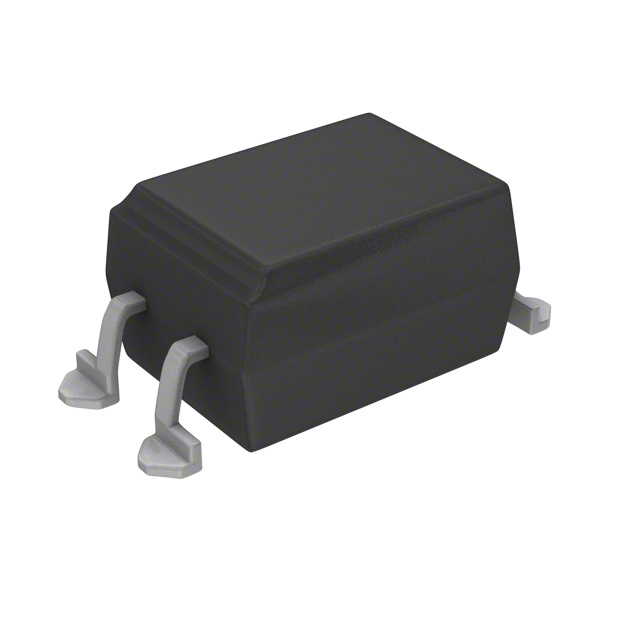 Renesas Electronics Corporation | Isolators | OPTOISOLATOR 5KV TRANS 4SMD |
Renesas Electronics Corporation | Integrated Circuits (ICs) | IC REG PQFN |
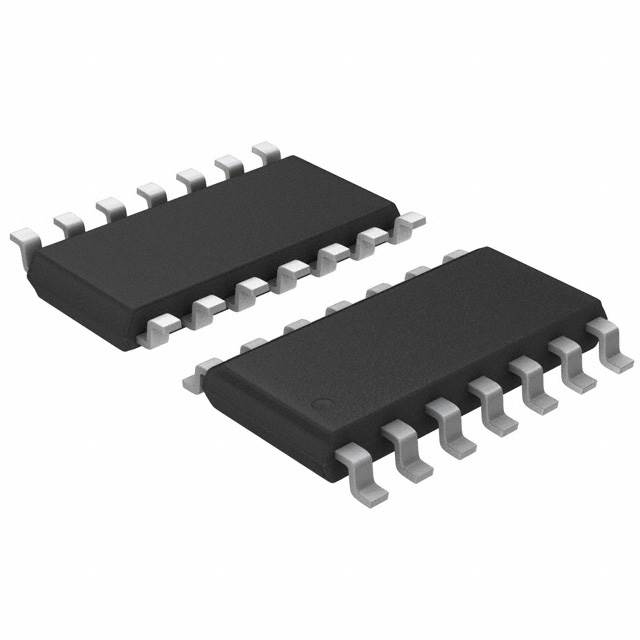 Renesas Electronics Corporation X1228S14-2.7Obsolete | Integrated Circuits (ICs) | IC RTC CLK/CALENDAR I2C 14SOIC |
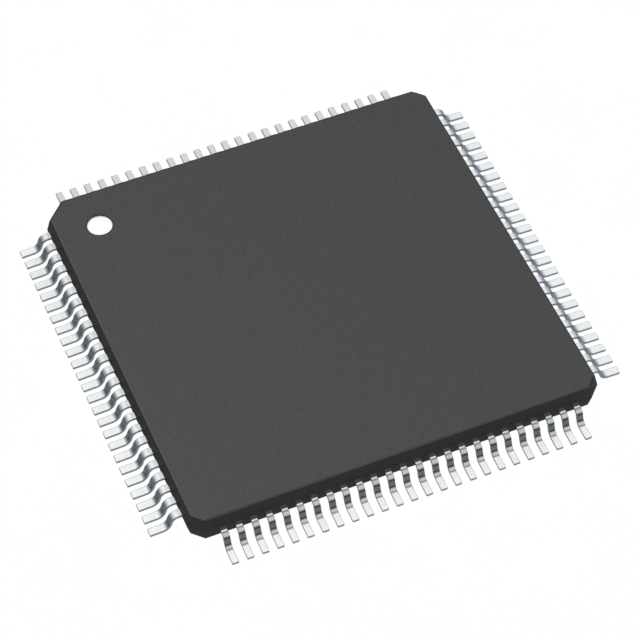 Renesas Electronics Corporation | Integrated Circuits (ICs) | 32-BIT MICROCONTROLLER OPTIMIZED FOR DUAL-MOTOR AND PFC CONTROL |
Renesas Electronics Corporation R5F104FJAFP#V0Obsolete | Integrated Circuits (ICs) | LOW POWER, HIGH FUNCTION, GENERAL PURPOSE MICROCONTROLLERS FOR MOTOR CONTROL, INDUSTRIAL AND METERING APPLICATIONS |
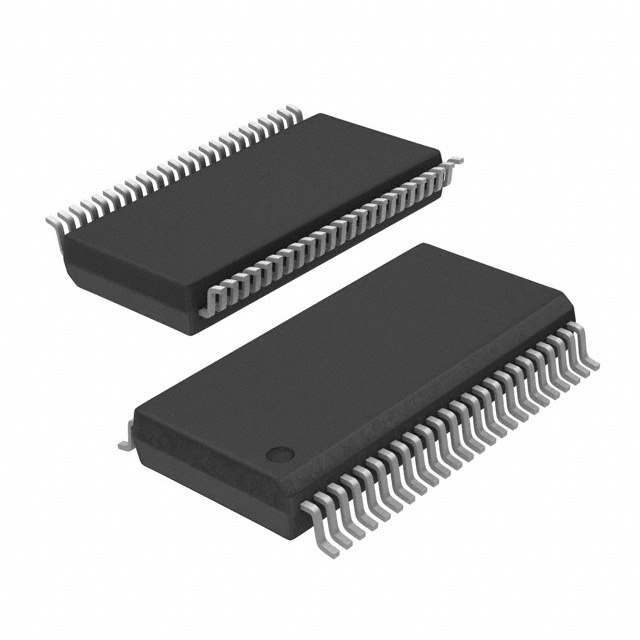 Renesas Electronics Corporation MK1493-03BGILFTRObsolete | Integrated Circuits (ICs) | IC CLOCK GENERATOR 48TSSOP |
Renesas Electronics Corporation | Development Boards Kits Programmers | E10A-USB SH4AL-DSP LICENSE TOOL |
Renesas Electronics Corporation | Integrated Circuits (ICs) | 32BIT MCU R32C/100X |
| Series | Category | # Parts | Status | Description |
|---|---|---|---|---|
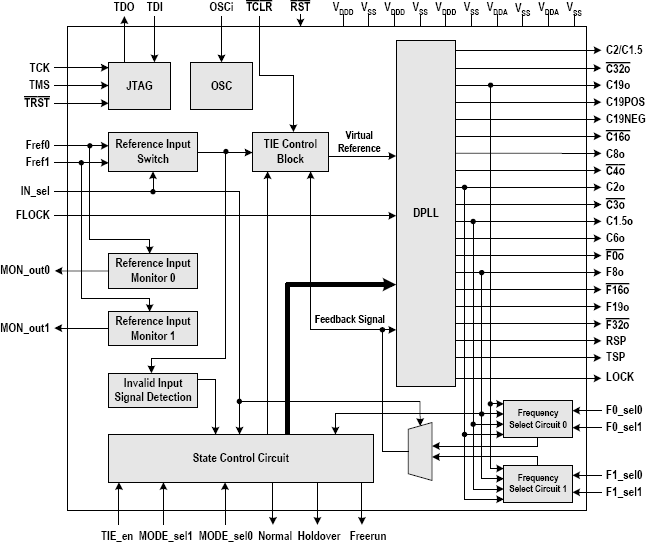
82V3012T1/E1/OC3 WAN PLL With Dual Reference Inputs | Clock/Timing | 1 | Obsolete | The 82V3012 is a T1/E1/OC3 WAN PLL with dual reference inputs. It contains a Digital Phase-Locked Loop (DPLL), which generates low jitter ST-BUS and 19.44 MHz clock and framing signals that are phase locked to an 8 kHz, 1.544 MHz, 2.048 MHz or 19.44 MHz input reference. The 82V3012 provides 9 types of clock signals (C1.5o, C3o, C6o, C2o, C4o, C8o, C16o, C19o, C32o) and 7 types of framing signals (F0o, F8o, F16o, F19o, F32o, RSP, TSP) for multitrunk T1/E1 and STS3/OC3 links. The 82V3012 is compliant with AT&T TR62411, Telcordia GR- 1244-CORE Stratum 3, Stratum 4 Enhanced and Stratum 4, ETSI ETS 300 011, ITU-T G.813 Option 1, and ITU-T G.812 Type IV clocks. It meets the jitter/wander tolerance, jitter/wander transfer, intrinsic jitter/ wander, frequency accuracy, capture range, phase change slope, holdover frequency accuracy and MTIE (Maximum Time Interval Error) requirements for these specifications. The 82V3012 can be used in synchronization and timing control for T1, E1 and OC3 systems, or used as ST-BUS clock and frame pulse source. It also can be used in access switch, access routers, ATM edge switches, wireless base station controllers, or IADs (Integrated Access Devices), PBXs, line cards and SONET/SDH equipments. |
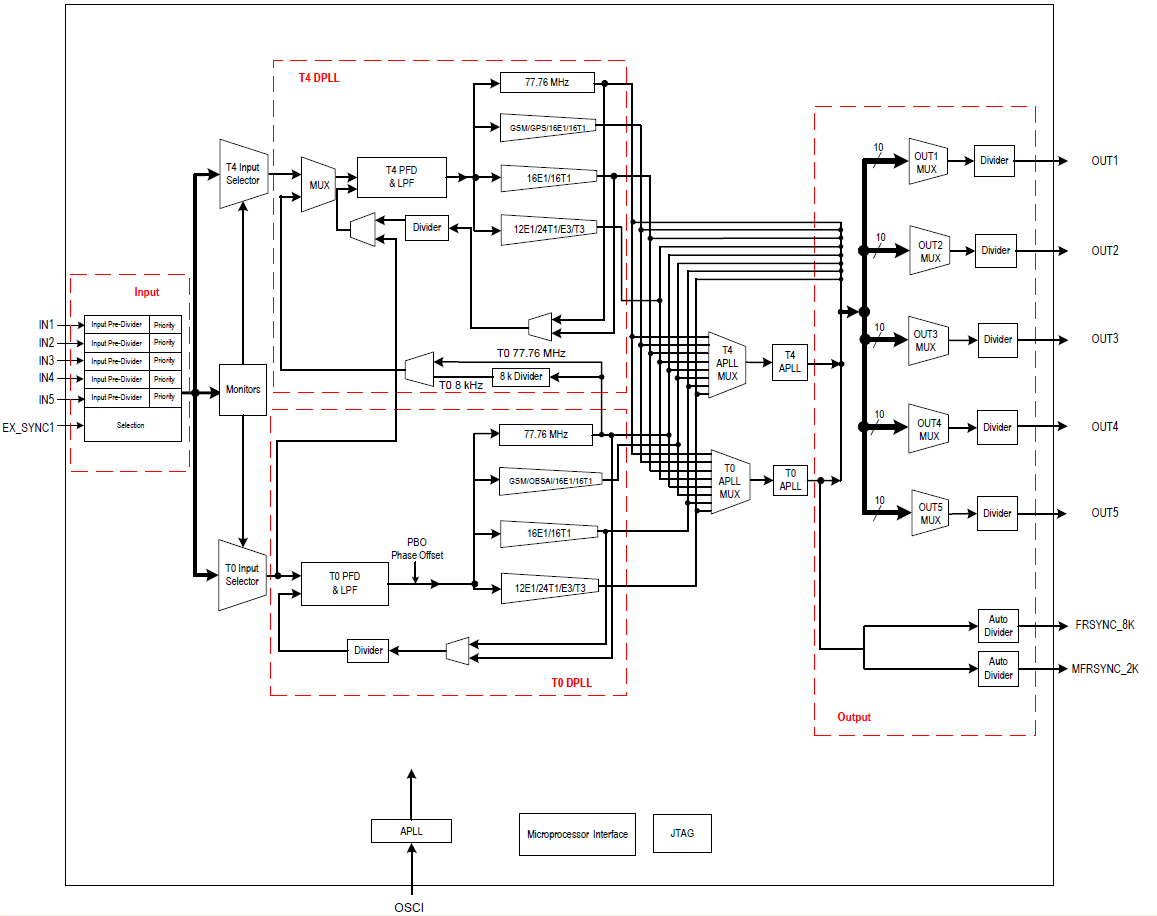
82V3285WAN PLL | Clock/Timing | 1 | Active | The 82V3285 is an integrated, single-chip solution for the Synchronous Equipment Timing Source for Stratum 2, 3E, 3, SMC, 4E and 4 clocks in SONET / SDH equipments, DWDM and Wireless base station, such as GSM, 3G, DSL concentrator, Router and Access Network applications. The device supports three types of input clock sources: recovered clock from STM-N or OC-n, PDH network synchronization timing and external synchronization reference timing. Based on ITU-T G.783 and Telcordia GR-253-CORE, the device consists of T0 and T4 paths. The T0 path is a high quality and highly configurable path to provide system clock for node timing synchronization within a SONET / SDH network. The T4 path is simpler and less configurable for equipment synchronization. The T4 path locks independently from the T0 path or locks to the T0 path. An input clock is automatically or manually selected for T0 and T4 each for DPLL locking. Both the T0 and T4 paths support three primary operating modes: Free-Run, Locked and Holdover. In Free-Run mode, the DPLL refers to the master clock. In Locked mode, the DPLL locks to the selected input clock. In Holdover mode, the DPLL resorts to the frequency data acquired in Locked mode. Whatever the operating mode is, the DPLL gives a stable performance without being affected by operating conditions or silicon process variations. If the DPLL outputs are processed by T0/T4 APLL, the outputs of the device will be in a better jitter/wander performance. The device provides programmable DPLL bandwidths: 0.5 mHz to 560 Hz in 19 steps and damping factors: 1.2 to 20 in 5 steps. Different settings cover all SONET / SDH clock synchronization requirements. A high stable input is required for the master clock in different applications. The master clock is used as a reference clock for all the internal circuits in the device. It can be calibrated within ±741 ppm. All the read/write registers are accessed through a microprocessor interface. The device supports five microprocessor interface modes: EPROM, Multiplexed, Intel, Motorola and Serial. In general, the device can be used in Master/Slave application. In this application, two devices should be used together to enable system protection against single chip failure. |
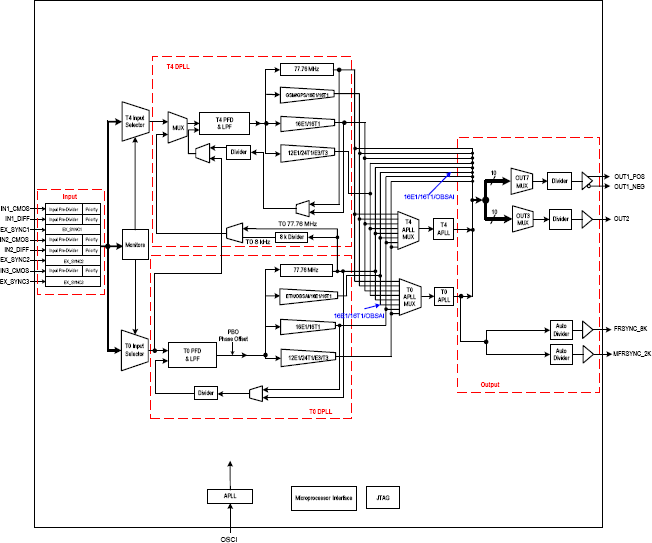
82V3355Synchronous Ethernet WAN PLL | Integrated Circuits (ICs) | 1 | Obsolete | The 82V3355 is an integrated, single-chip solution for the Synchronous Equipment Timing Source for Stratum 3, SMC, 4E and 4 clocks in SONET / SDH equipments, DWDM and Wireless base station, such as GSM, 3G, DSL concentrator, Router and Access Network applications. The device supports three types of input clock sources: recovered clock from STM-N or OC-n, PDH network synchronization timing and external synchronization reference timing. Based on ITU-T G.783 and Telcordia GR-253-CORE, the device consists of T0 and T4 paths. The T0 path is a high quality and highly configurable path to provide system clock for node timing synchronization within a SONET / SDH network. The T4 path is simpler and less configurable for equipment synchronization. The T4 path locks independently from the T0 path or locks to the T0 path. An input clock is automatically or manually selected for T0 and T4 each for DPLL locking. Both the T0 and T4 paths support three primary operating modes: Free-Run, Locked and Holdover. In Free-Run mode, the DPLL refers to the master clock. In Locked mode, the DPLL locks to the selected input clock. In Holdover mode, the DPLL resorts to the frequency data acquired in Locked mode. Whatever the operating mode is, the DPLL gives a stable performance without being affected by operating conditions or silicon process variations. If the DPLL outputs are processed by T0/T4 APLL, the outputs of the device will be in a better jitter/wander performance. The device provides programmable DPLL bandwidths: 0.1 Hz to 560 Hz in 11 steps and damping factors: 1.2 to 20 in 5 steps. Different settings cover all SONET / SDH clock synchronization requirements. A high stable input is required for the master clock in different applications. The master clock is used as a reference clock for all the internal circuits in the device. It can be calibrated within ±741 ppm. All the read/write registers are accessed through a serial microprocessor interface. The device supports Serial microprocessor interface mode only. |
| Application Specific | 1 | Active | ||
| Integrated Circuits (ICs) | 1 | Active | ||
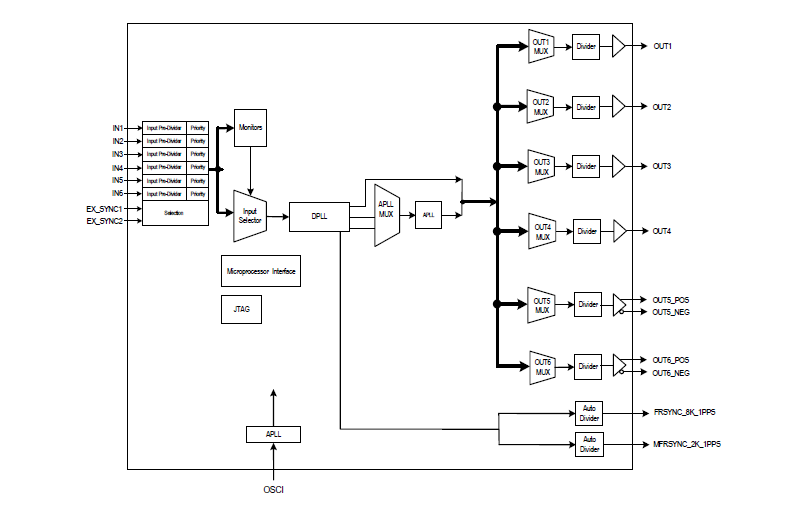
82V3398Synchronous Ethernet WAN PLL | Integrated Circuits (ICs) | 1 | Active | The 82V3398 is an integrated, single-chip solution for the Synchronous Equipment Timing Source (SETS) for Stratum 3, 4E, 4, SMC, EECOption1, EEC-Option2 clocks in SONET/SDH/Synchronous Ethernet equipment, DWDM, and wireless base stations. The device consists of a high-quality and configurable DPLL to provide a system clock for node timing synchronization within a SONET/SDH/Synchronous Ethernet network. |
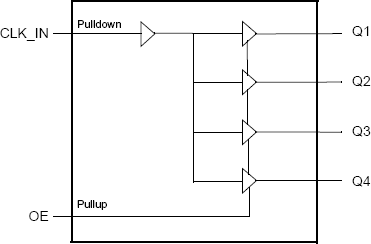
830154I-08Over Voltage Tolerant 1.5V,1:4 Fanout Buffer | Clock/Timing | 4 | Obsolete | The 830154I-08 is an LVCMOS, over-voltage tolerant clock fanout buffer targeted for clock generation in high-performance telecommunication, networking and computing applications. The device is optimized for low-skew clock distribution in low-voltage applications. The input over-voltage tolerance enables using this device in mixed-mode voltage applications. An output enable pin controls whether the outputs are in the active or high impedance state. Guaranteed output skew characteristics make the 830154I-08 ideal for those applications demanding well defined performance and repeatability. The 830154I-08 is packaged in a small 8-TSSOP and in an 8-SOIC package. |
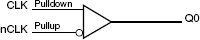
83021I1-to-1,Differential-to-LVCMOS/LVTTL Translator | Translators, Level Shifters | 2 | Obsolete | The 83021I is a 1-to-1 Differential-to-LVCMOS/ LVTTL Translator and a member of the family of High Performance Clock Solutions from IDT. The differential input is highly flexible and can accept the following input types: LVPECL, LVDS, LVHSTL, SSTL, and HCSL. The small 8-lead SOIC footprint makes this device ideal for use in applications with limited board space. |
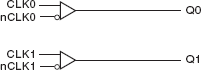
83023IDual,1-to-1 Differential-to-LVCMOS Translator/Buffer | Translators, Level Shifters | 1 | Obsolete | The 83023I is a dual, 1-to-1 Differential-to-LVCMOS Translator/Fanout Buffer. The differential inputs can accept most differential signal types (LVDS, LVHSTL, LVPECL, SSTL, and HCSL) and translate into two single-ended LVCMOS outputs. The small 8-lead SOIC footprint makes this device ideal for use in applications with limited board space. |
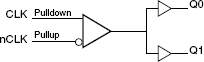
83026ILow Skew,1-to-2,Differential-to-LVCMOS/LVTTL Fanout Buffer | Clock/Timing | 1 | Obsolete | The 83026I is a low skew, 1-to-2 Differential-to- LVCMOS/LVTTL Fanout Buffer and a member of the family of High Performance Clock Solutions from IDT.The differential input can accept most differential signal types (LVDS, LVHSTL, LVPECL, SSTL, and HCSL) and translate to two single-ended LVCMOS/LVTTL outputs with a maximum output skew of 20ps. The small 8-lead SOIC footprint makes this device ideal for use in applications with limited board space. |