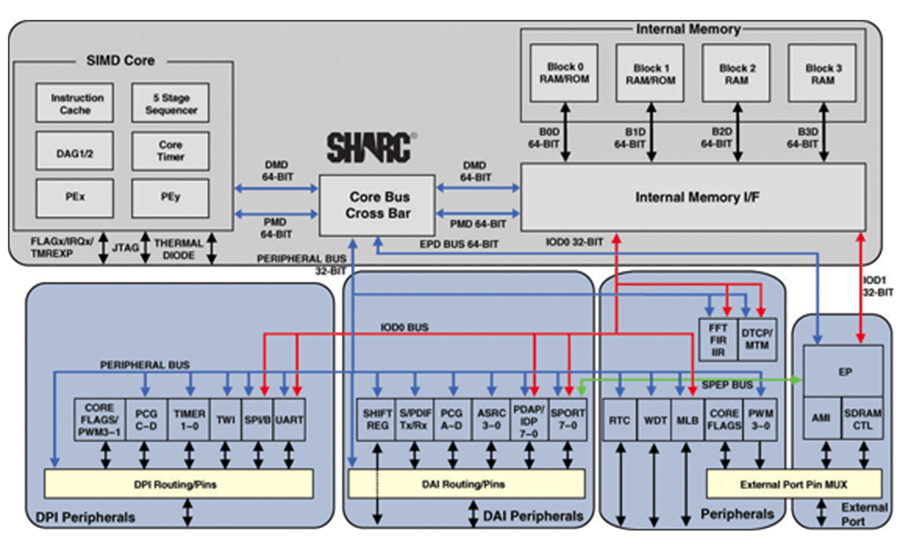
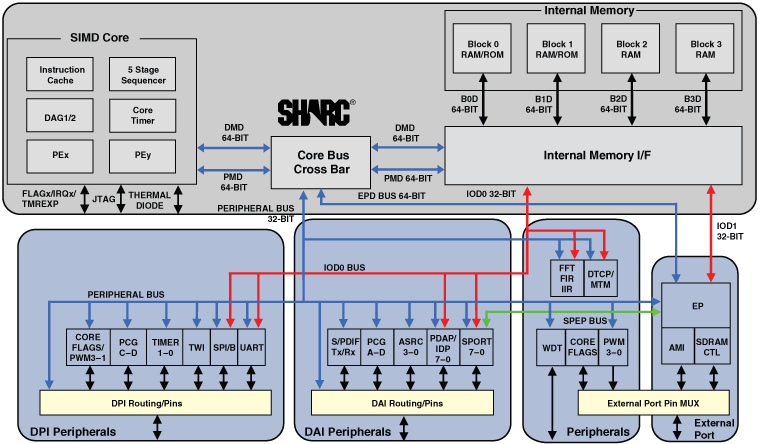
A
Analog Devices
| Series | Category | # Parts | Status | Description |
|---|---|---|---|---|
| Part | Spec A | Spec B | Spec C | Spec D | Description |
|---|---|---|---|---|---|



| Series | Category | # Parts | Status | Description |
|---|---|---|---|---|
| Part | Spec A | Spec B | Spec C | Spec D | Description |
|---|---|---|---|---|---|
| Part | Category | Description |
|---|---|---|
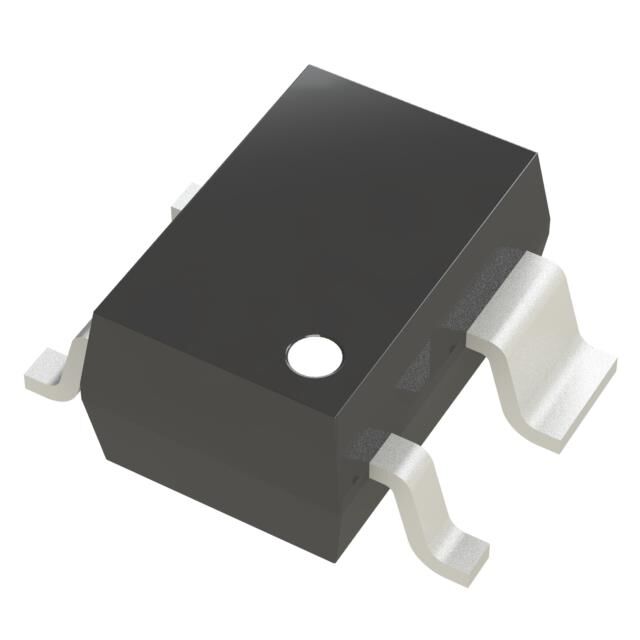 Analog Devices ADM6713RAKSZ-REELObsolete | Integrated Circuits (ICs) | IC SUPERVISOR 1 CHANNEL SC70-4 |
Analog Devices | RF and Wireless | RF AMP SINGLE GENERAL PURPOSE RF AMPLIFIER 20GHZ 3.6V 22-PIN DIE TRAY |
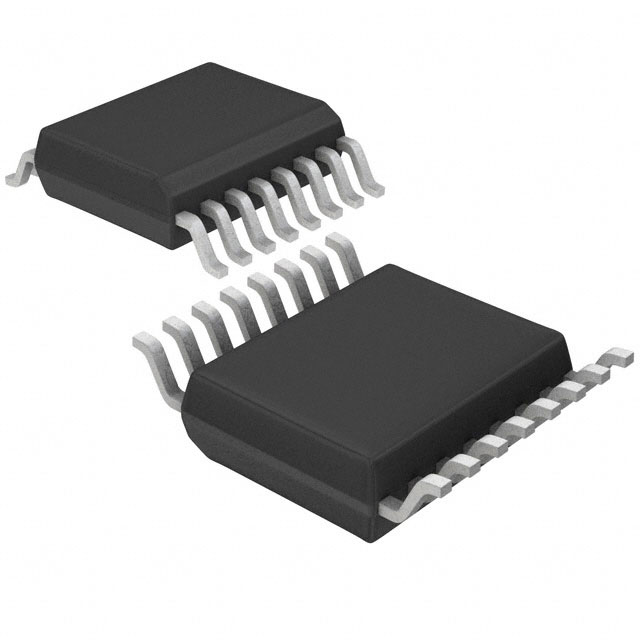 Analog Devices | Integrated Circuits (ICs) | LOW NOISE, SWITCHED CAPACITOR REGULATED VOLTAGE INVERTERS |
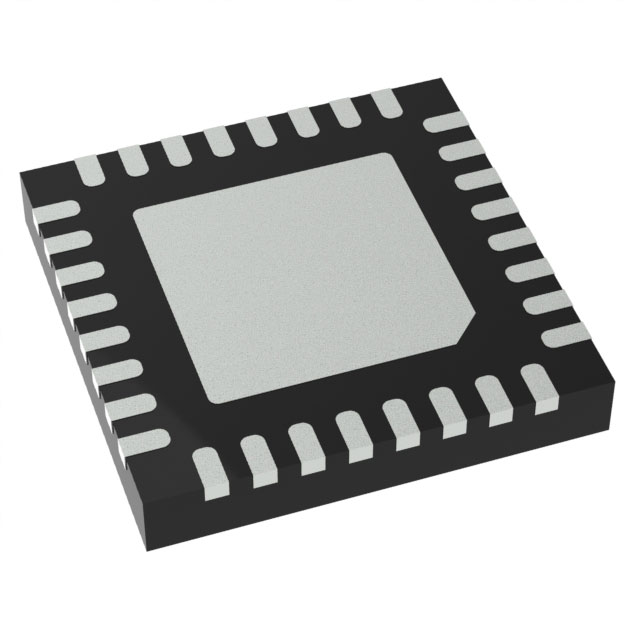 Analog Devices | Integrated Circuits (ICs) | QUAD 16-BIT/12-BIT ±10V VOUTSOFTSPAN DACS WITH 10PPM/°C MAX REFERENCE |
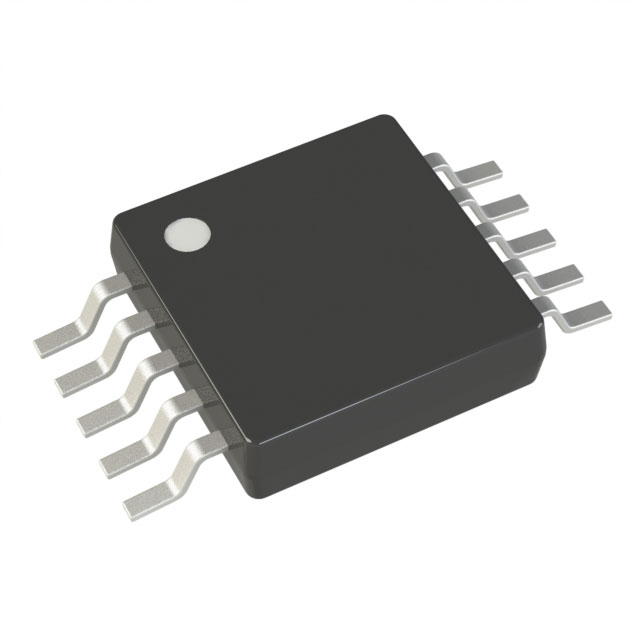 Analog Devices | Integrated Circuits (ICs) | SERIAL 14-BIT, 3.5MSPS SAMPLING ADC WITH BIPOLAR INPUTS |
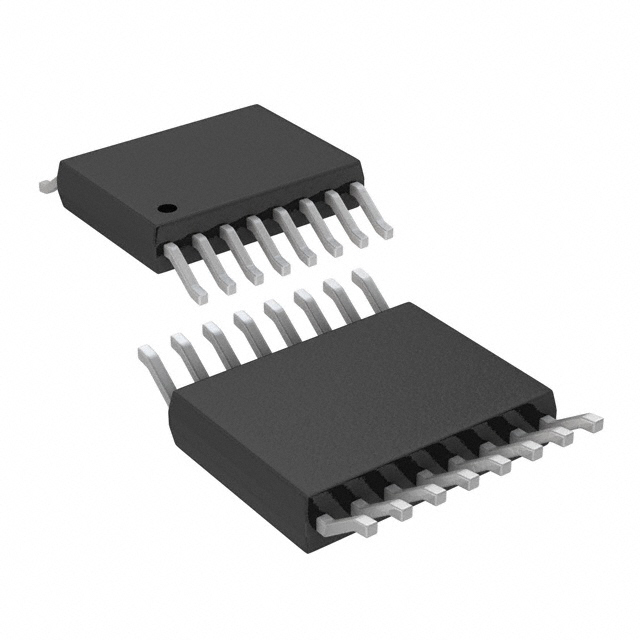 Analog Devices | Integrated Circuits (ICs) | ISOSPI ISOLATED COMMUNICATIONS INTERFACE |
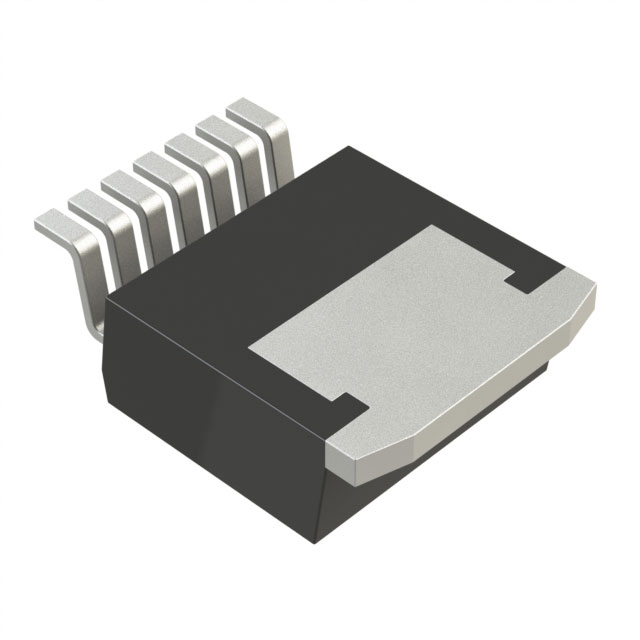 Analog Devices | Integrated Circuits (ICs) | 4.5A, 500KHZ STEP-DOWN SWITCHING REGULATOR |
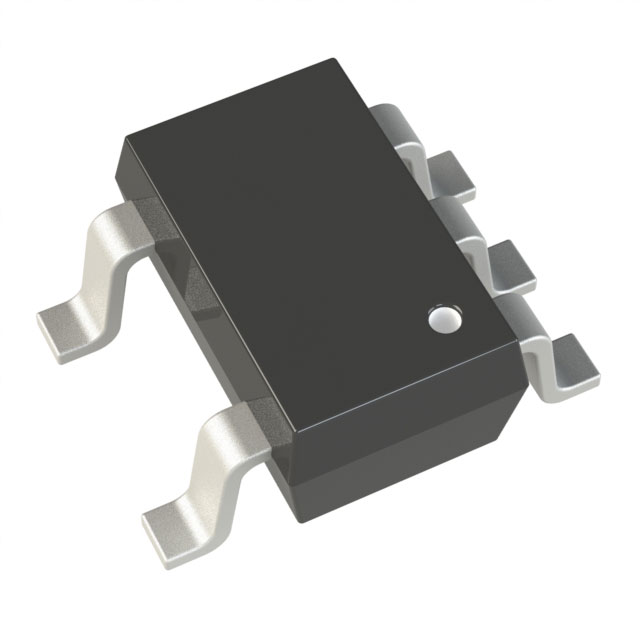 Analog Devices | Integrated Circuits (ICs) | 300 MA, LOW QUIESCENT CURRENT, ADJUSTABLE OUTPUT, CMOS LINEAR REGULATOR |
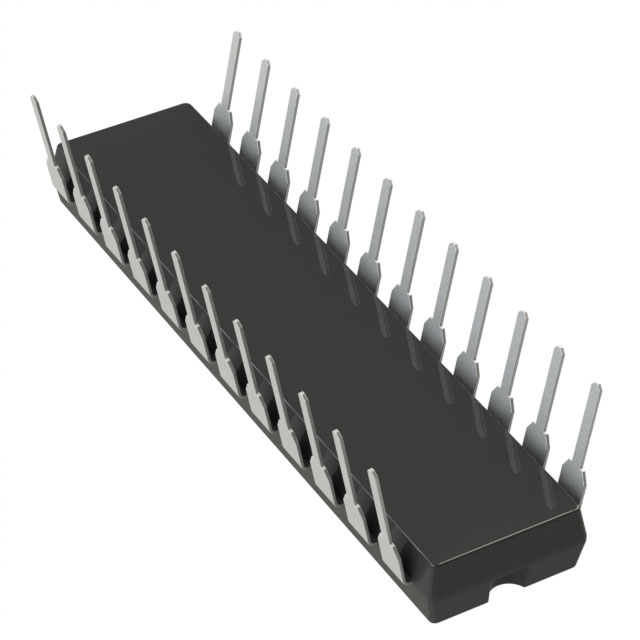 Analog Devices AD767KNObsolete | Integrated Circuits (ICs) | IC DAC 12BIT V-OUT 24DIP |
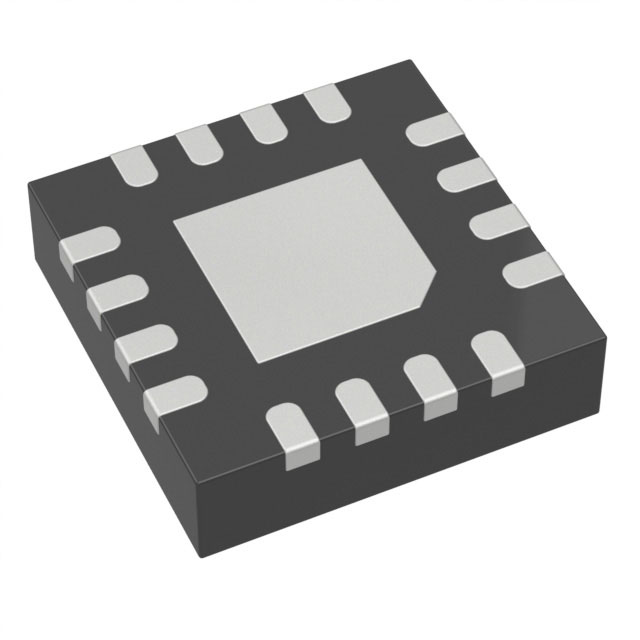 Analog Devices | Integrated Circuits (ICs) | QUAD 12-/10-/8-BIT RAIL-TO-RAIL DACS WITH 10PPM/°C REFERENCE |
| Series | Category | # Parts | Status | Description |
|---|---|---|---|---|
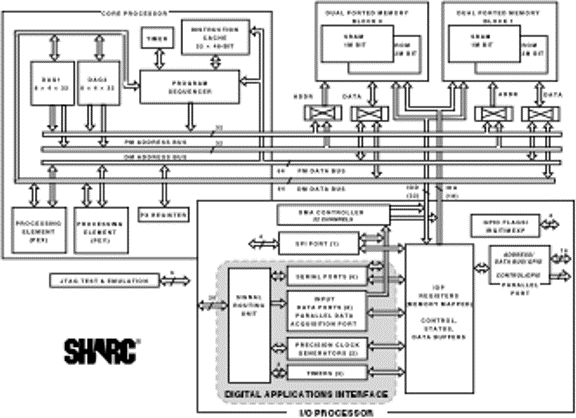
ADSP-212623rd Generation Low Cost 32-Bit Floating-Point SHARC DSP | Integrated Circuits (ICs) | 1 | Active | The ADSP-21262 is the first member of the third-generation of SHARC®programmable DSPs. A range of applications such as high-quality audio and automotive entertainment systems, voice recognition, medical appliances and measurement devices benefit from the ADSP-21262’s integration of large on-chip memory with a wide variety of peripherals—thereby speeding time to market and keeping costs low.The ADSP-21262 is based on the SHARC DSP core that supports execution of 32-bit fixed-point and 32/40-bit floating-point arithmetic formats. With its core running at 200MHz (5 ns instruction cycle time), the ADSP-21262 is capable of executing complex Fast Fourier Transform (FFT) operations—1024-point complex FFT in 46us, more than 2.6x faster than comparatively priced processors. In audio applications, the single-instruction, multiple data (SIMD) mode effectively doubles the processor performance.The ADSP-21262 is designed with the highest level of integration, including 2 Mbit of on-chip dual-ported SRAM and 4 Mbit of mask programmable ROM memory. This large on-chip dual-ported memory enables sustained processor and I/O performance, without the need for external memory. System I/O is achieved through six full-duplex serial ports, four timers, a 16-bit parallel port, a serial peripheral interface (SPI), 22 zero-overhead Direct Memory Access (DMA) channels delivering fast data transfers without processor intervention and an innovative Digital Applications Interface (DAI) offering complete software control through its Signal Routing Unit (SRU).Digital Applications Interface (DAI) for Simplified I/O System DevelopmentThe ADSP-21262 introduces the Digital Applications Interface (DAI), an architecture that enables complete software programmability of various peripherals. The flexibility and ease-of-use of the SHARC programming model, combined with the DAI, allow manufacturers to deploy one hardware configuration into multiple product offerings with different I/O requirements.Connections are made using the flexible Signal Routing Unit (SRU), a matrix routing group of pins that provides configurable and flexible connectivity between all DAI components and the SRU. The peripherals connected through the DAI are: a precision clock generator (PCG), an input data port (IDP), six SPORTS (serial ports), six flag inputs, six flag outputs, three timers and the SRU. The IDP provides an additional input path to the DSP core, configurable as 8 channels of receive serial data or as 7 channels of receive serial data and a single channel of up to a 20-bit wide parallel data. This level of integration enables the designer to take full advantage of a wide variety of peripherals without sacrificing the overall system performance.CROSSCORE Development Tools3rd Generation SHARC DSP members are supported by ADI’s CROSSCORE brand of award winning development tools. The CROSSCORE components include the VisualDSP++™software development environment, EZ-KIT Lite™evaluation systems, and emulators.VisualDSP++ is an integrated software development environment, allowing for fast and easy development, debug, and deployment. The EZ-KIT Lite evaluation system provides an easy way to investigate the power of the ADI family of DSPs and begin to develop applications. Emulators are available for PCI and USB host platforms for rapid on-chip debugging. Additional development tools and algorithms are available from an extensive third-party development community. |
| Integrated Circuits (ICs) | 2 | Obsolete | ||
| DSP (Digital Signal Processors) | 3 | Active | ||
| DSP (Digital Signal Processors) | 2 | Active | ||
| DSP (Digital Signal Processors) | 1 | Obsolete | ||
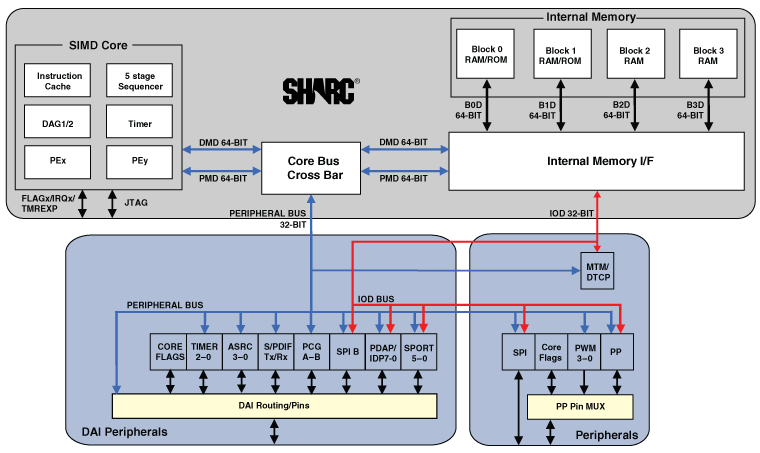
ADSP-21371High-Performance 32-bit Floating-Point SHARC Processor for Automotive Audio | Embedded | 2 | Active | The third generation of SHARC® Processors, which includes theADSP-21375and ADSP-21371, offers increased performance, audio and application-focused peripherals, and memory configurations capable of supporting surround-sound decoder algorithms. All devices are pin-compatible and completely code-compatible with other SHARC Processors such as the ADSP-21367 and ADSP-21369. These members of the SHARC Processor family are based on a single-instruction, multiple-data (SIMD) core, which supports both 32-bit fixed-point and 32-/40-bit floating-point arithmetic formats making them particularly suitable for high-performance audio applications.The ADSP-21371 offers a high performance at a very low cost 266 MHz/1596 MFLOPs -- within the third generation SHARC Processor family. This level of performance makes the ADSP-21371 particularly well suited to address the increasing requirements of the professional and automotive audio market segments while maintaining a low cost. In addition to its higher core performance, the ADSP-21371 includes additional value-added peripherals such as an S/PDIF transmitter/receiver. The ADSP-21371 also provides a direct interface to synchronous SDRAMs with a 32-bit interface that operates at 133 MHz.Third generation SHARC Processors also integrate application-specific peripherals designed to simplify hardware design, minimize design risks, and ultimately reduce time to market. Grouped together, and broadly named the Digital Audio Interface (DAI), these functional blocks may be connected to each other or to external pins via the software-programmable Signal Routing Unit (SRU). The SRU is an innovative architectural feature that enables complete and flexible routing amongst DAI blocks. Peripherals connected through the SRU include but are not limited to serial ports, SPI ports, and S/PDIF Tx/Rx.DEDICATED AUDIO COMPONENTSADSP-21371—S/PDIF-compatible digital audio receiver/transmitterADSP-21371—8 dual data line serial ports that operate at up to 33 Mbps on each data line — each has a clock, frame sync, and two data lines that can be configured as either a receiver or transmitter pair16 PWM outputs configured as four groups of four outputsROM-based security features include JTAG access to memory permitted with a 64-bit key Protected memory regions that can be assigned to limit access under program control to sensitive codePLL has a wide variety of software and hardware multiplier/divider ratiosAvailable in a 208-lead LQFP_EP package |
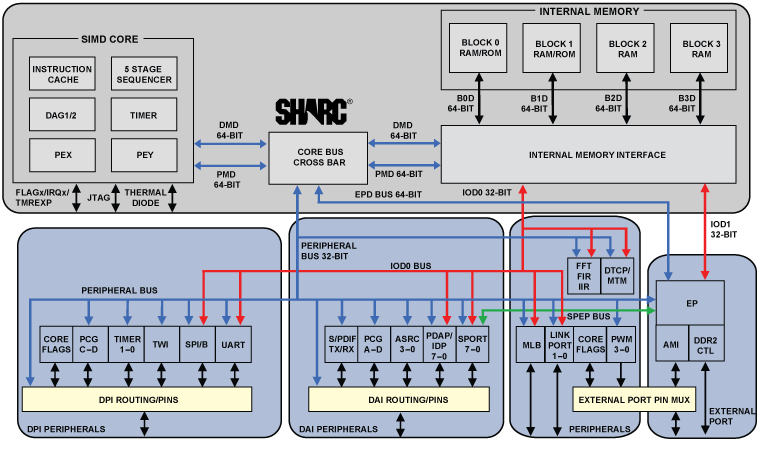
ADSP-21469High Performance Fourth Generation DSP | DSP (Digital Signal Processors) | 1 | Active | The fourth generation of SHARC®Processors, which includes the ADSP-21469, offers increased performance, hardware-based filter accelerators, audio and application-focused peripherals, and new memory configurations capable of supporting the latest surround-sound decoder algorithms. All devices are pin-compatible with each other and completely code-compatible with all prior SHARC Processors. These newest members of the SHARC Processor family are based on a single-instruction, multiple-data (SIMD) core, which supports both 32-bit fixed-point and 32-/40-bit floating-point arithmetic formats making them particularly suitable for high-performance audio applications.The ADSP-21469 offers the highest performance – 450 MHz/2700 MFLOPs -- within the fourth generation SHARC Processor family. This level of performance makes the ADSP-21469 particularly well suited to address the increasing requirements of the professional and automotive audio market segments. In addition to its higher core performance, the ADSP-21469 includes additional processing blocks such as FIR, IIR, and FFT accelerators to increase the total performance of the system. There is a new feature called Variable Instruction Set Architecture (VISA) that allows the code size to be decreased by 20% to 30% and increase the memory size availability. The fourth generation DSP allows the ability to connect to faster external memory by providing a glueless interface to 16-bit wide DDR2 SDRAMs.Fourth-generation SHARC Processors also integrate application-specific peripherals designed to simplify hardware design, minimize design risks, and ultimately reduce time to market. Grouped together, and broadly named the Digital Applications Interface (DAI), these functional blocks may be connected to each other or to external pins via the software-programmable Signal Routing Unit (SRU). The SRU is an innovative architectural feature that enables complete and flexible routing amongst DAI blocks. Peripherals connected through the SRU include but are not limited to serial ports, SPI ports, S/PDIF Tx/Rx, and an 8-Channel asynchronous sample rate converter block. The fourth generation SHARC allows data from the serial ports to be directly transferred to external memory by the DMA controller. Other peripherals such as UART and Two-Wire Interface are routed through a Digital Peripheral Interface (DPI). |
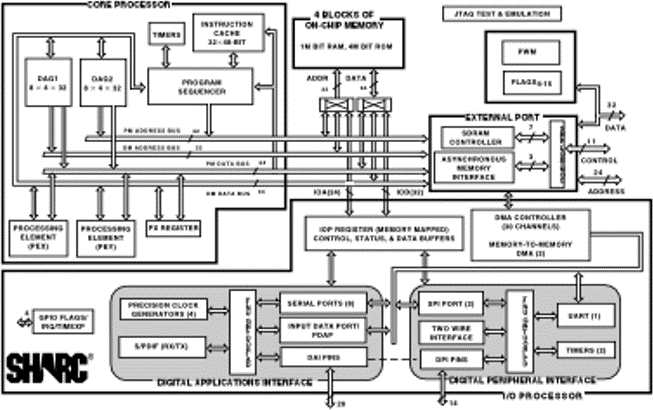
ADSP-21477High Performance Fourth Generation DSP | Integrated Circuits (ICs) | 2 | Active | The fourth generation of SHARC®Processors, the ADSP-21477, includes low power floating point DSP products, which provide increased performance, hardware-based filter accelerators, audio and application-focused peripherals, and 2M Bit on Chip SRAM, capable of supporting a single chip solution. All devices are code-compatible with all prior SHARC Processors. These newest members of the fourth generation SHARC Processor family are based on a single-instruction, multiple-data (SIMD) core, which supports both 32-bit fixed-point and 32-/40-bit floating-point arithmetic formats and their low power make them particularly suitable for battery powered applications or where a higher ambient operating temperature is required.The ADSP-21477 offers a very low power and high performance Processor – 200 MHz/1200 MFLOPs – in an 88-Ld LFCSP package. The low power architecture of the ADSP-21477 makes these products particularly well suited to address the automotive audio and industrial control market segments where low power is a requirement. In addition to its high core performance, the ADSP-21477 includes additional processing blocks such as FIR, IIR, and FFT accelerators to increase the total performance of the system. There is a new feature called Variable Instruction Set Architecture (VISA) that allows the code size to be decreased by 20% to 30% and increase the memory size availability. The fourth generation DSP allows the ability to connect to external memory by providing a glueless interface to 16-bit wide SDR SDRAMs.Fourth-generation, ADSP-21477 SHARC Processors also integrate application-specific peripherals designed to simplify hardware design, minimize design risks, and ultimately reduce time to market. Grouped together, and broadly named the Digital Applications Interface (DAI), these functional blocks may be connected to each other or to external pins via the software-programmable Signal Routing Unit (SRU). The SRU is an innovative architectural feature that enables complete and flexible routing amongst DAI blocks. Peripherals connected through the SRU include but are not limited to serial ports, SPI ports, S/PDIF Tx/Rx, and an 8-Channel asynchronous sample rate converter block. The fourth generation SHARC allows data from the serial ports to be directly transferred to external memory by the DMA controller. Other peripherals such as UART and Two-Wire Interface are routed through a Digital Peripheral Interface (DPI). |
ADSP-21479High Performance Fourth Generation DSP | Evaluation Boards | 5 | Active | The fourth generation ofSHARC®Processorsnow includes the low power floating point DSP products – theADSP-21478and ADSP-21479 and offers increased performance, hardware-based filter accelerators, audio and application-focused peripherals, and new memory configurations capable of supporting a single chip solution. All devices are pin-compatible with each other and completely code-compatible with all prior SHARC Processors. These newest members of the fourth generation SHARC Processor family are based on a single-instruction, multiple-data (SIMD) core, which supports both 32-bit fixed-point and 32-/40-bit floating-point arithmetic formats and their low power make them particularly suitable for battery powered applications or where a higher ambient operating temperature is required.The ADSP-21479 offers a very low power and high performance – 266 MHz/1596 MFLOPs – in a BGA and LQFP package within the fourth generation SHARC Processor family. This feature of power makes the ADSP-21479 particularly well suited to address the automotive audio and many industrial control segments where low power is a requirement. In addition to its high core performance, the ADSP-21479 includes additional processing blocks such as FIR, IIR, and FFT accelerators to increase the total performance of the system. There is a new feature called Variable Instruction Set Architecture (VISA) that allows the code size to be decreased by 20% to 30% and increase the memory size availability. The fourth generation DSP allows the ability to connect to external memory by providing a glueless interface to 16-bit wide SDR SDRAMs.Fourth-generation SHARC Processors also integrate application-specific peripherals designed to simplify hardware design, minimize design risks, and ultimately reduce time to market. Grouped together, and broadly named the Digital Applications Interface (DAI), these functional blocks may be connected to each other or to external pins via the software-programmable Signal Routing Unit (SRU). The SRU is an innovative architectural feature that enables complete and flexible routing amongst DAI blocks. Peripherals connected through the SRU include but are not limited to serial ports, SPI ports, S/PDIF Tx/Rx, and an 8-Channel asynchronous sample rate converter block. The fourth generation SHARC allows data from the serial ports to be directly transferred to external memory by the DMA controller. Other peripherals such as UART and Two-Wire Interface are routed through a Digital Peripheral Interface (DPI). |
ADSP-21488High Performance Fourth Generation DSP | Embedded | 6 | Active | The SHARC ADSP-21488 is one of two new members of the fourth generation ofSHARC®Processorsthat now includes theADSP-21486,ADSP-21487, ADSP-21488,ADSP-21489and offers increased performance, hardware-based filter accelerators, audio and application-focused peripherals, and new memory configurations capable of supporting the latest surround-sound decoder algorithms. All devices are pin-compatible with each other and completely code-compatible with all prior SHARC Processors. These newest members of the fourth generation SHARC Processor family are based on a single-instruction, multiple-data (SIMD) core, which supports both 32-bit fixed-point and 32-/40-bit floating-point arithmetic formats making them particularly suitable for high-performance audio applications.The ADSP-21488 offers the highest performance–400 MHz/2400 MFLOPs–in an LQFP package within the fourth generation SHARC Processor family. This level of performance makes the ADSP-21488 particularly well suited to address the automotive audio and industrial control segments. In addition to its high core performance, the ADSP-21488 includes additional processing blocks such as FIR, IIR, and FFT accelerators to increase the total performance of the system. There is a new feature called Variable Instruction Set Architecture (VISA) that allows the code size to be decreased by 20% to 30% and increase the memory size availability. The fourth generation DSP allows the ability to connect to external memory by providing a glueless interface to 16-bit wide SDR SDRAMs.Fourth-generation SHARC Processors also integrate application-specific peripherals designed to simplify hardware design, minimize design risks, and ultimately reduce time to market. Grouped together, and broadly named the Digital Applications Interface (DAI), these functional blocks may be connected to each other or to external pins via the software-programmable Signal Routing Unit (SRU). The SRU is an innovative architectural feature that enables complete and flexible routing amongst DAI blocks. Peripherals connected through the SRU include but are not limited to serial ports, IDP, S/PDIF Tx/Rx, and an 8-Channel asynchronous sample rate converter block. The fourth generation SHARC allows data from the serial ports to be directly transferred to external memory by the DMA controller. Other peripherals such as SPI,UART and Two-Wire Interface are routed through a Digital Peripheral Interface (DPI). |