A
Analog Devices
| Series | Category | # Parts | Status | Description |
|---|---|---|---|---|
| Part | Spec A | Spec B | Spec C | Spec D | Description |
|---|---|---|---|---|---|



| Series | Category | # Parts | Status | Description |
|---|---|---|---|---|
| Part | Spec A | Spec B | Spec C | Spec D | Description |
|---|---|---|---|---|---|
| Part | Category | Description |
|---|---|---|
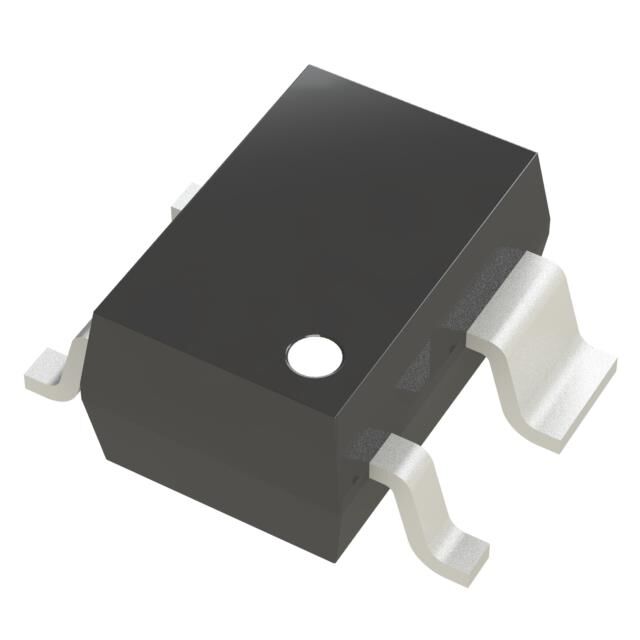 Analog Devices ADM6713RAKSZ-REELObsolete | Integrated Circuits (ICs) | IC SUPERVISOR 1 CHANNEL SC70-4 |
Analog Devices | RF and Wireless | RF AMP SINGLE GENERAL PURPOSE RF AMPLIFIER 20GHZ 3.6V 22-PIN DIE TRAY |
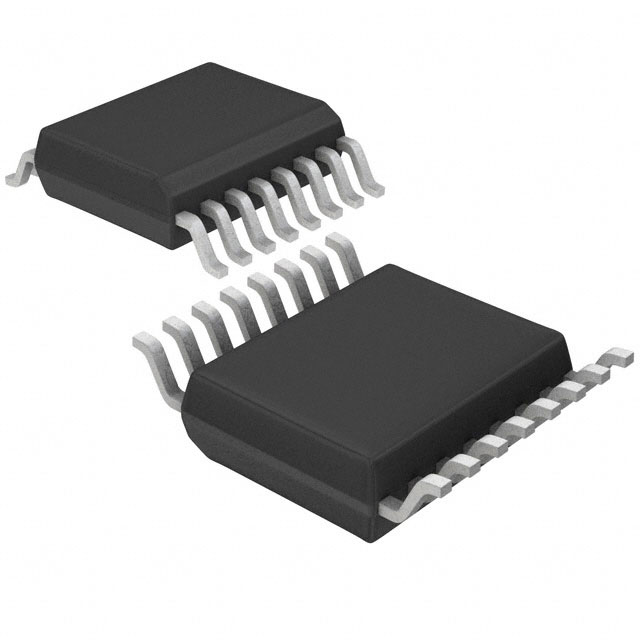 Analog Devices | Integrated Circuits (ICs) | LOW NOISE, SWITCHED CAPACITOR REGULATED VOLTAGE INVERTERS |
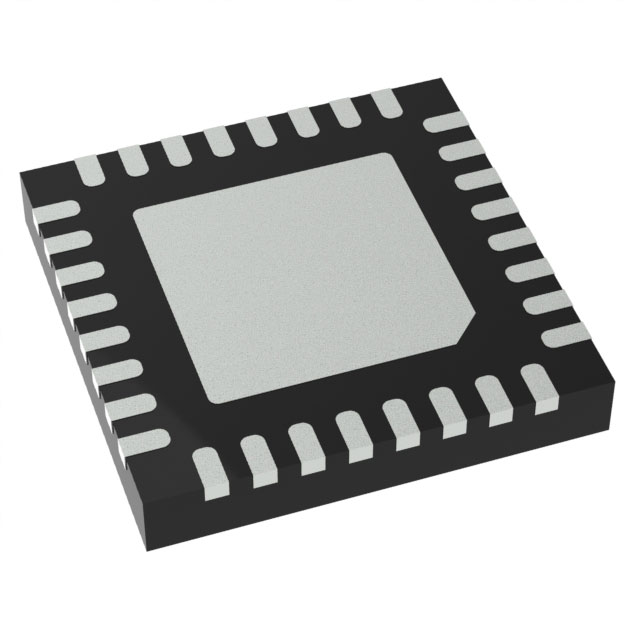 Analog Devices | Integrated Circuits (ICs) | QUAD 16-BIT/12-BIT ±10V VOUTSOFTSPAN DACS WITH 10PPM/°C MAX REFERENCE |
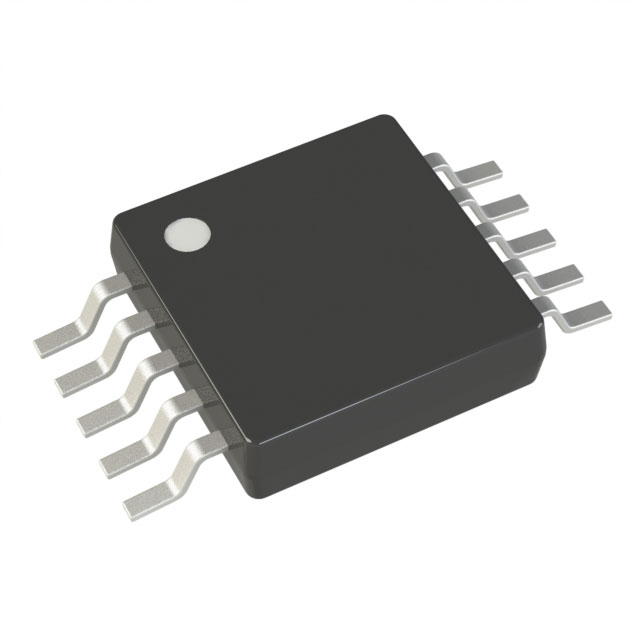 Analog Devices | Integrated Circuits (ICs) | SERIAL 14-BIT, 3.5MSPS SAMPLING ADC WITH BIPOLAR INPUTS |
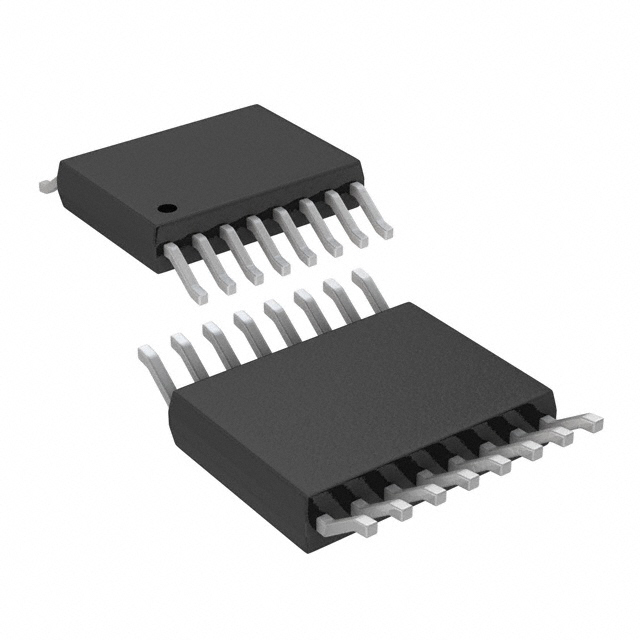 Analog Devices | Integrated Circuits (ICs) | ISOSPI ISOLATED COMMUNICATIONS INTERFACE |
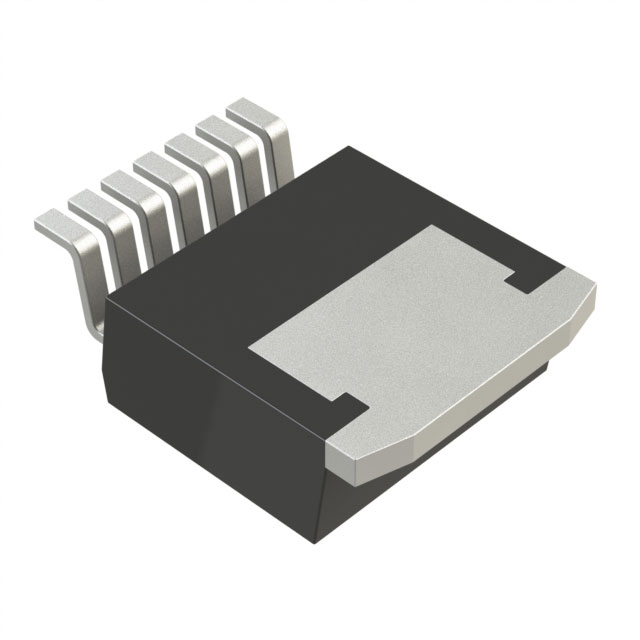 Analog Devices | Integrated Circuits (ICs) | 4.5A, 500KHZ STEP-DOWN SWITCHING REGULATOR |
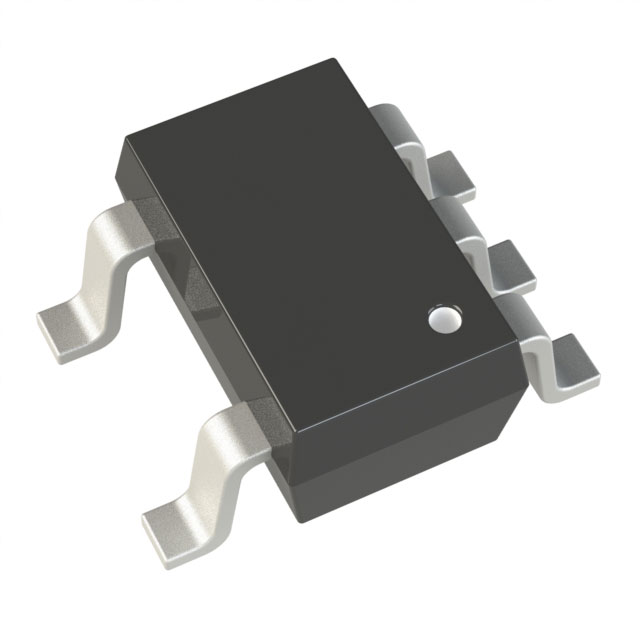 Analog Devices | Integrated Circuits (ICs) | 300 MA, LOW QUIESCENT CURRENT, ADJUSTABLE OUTPUT, CMOS LINEAR REGULATOR |
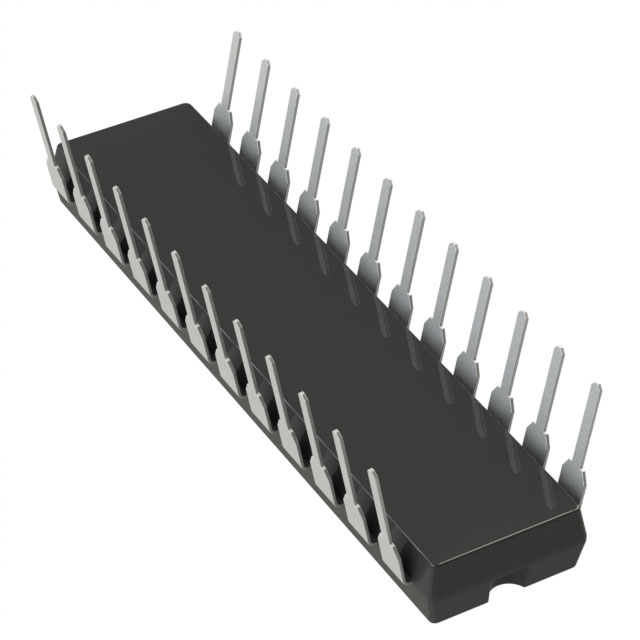 Analog Devices AD767KNObsolete | Integrated Circuits (ICs) | IC DAC 12BIT V-OUT 24DIP |
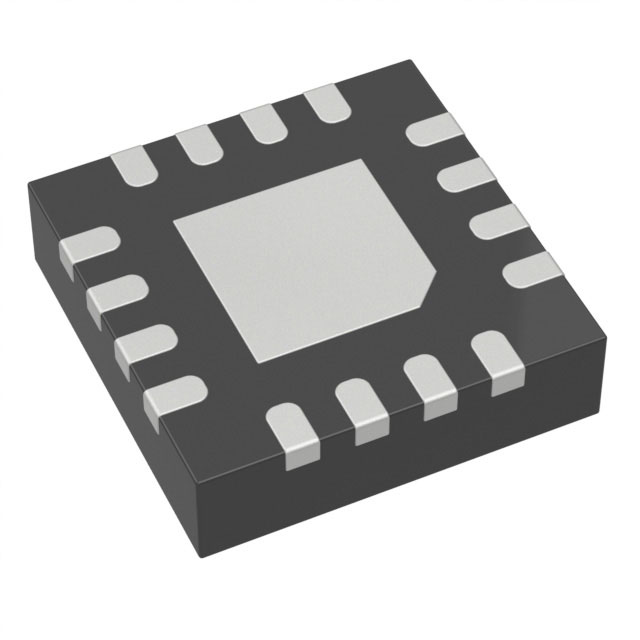 Analog Devices | Integrated Circuits (ICs) | QUAD 12-/10-/8-BIT RAIL-TO-RAIL DACS WITH 10PPM/°C REFERENCE |
| Series | Category | # Parts | Status | Description |
|---|---|---|---|---|
| CODECS | 3 | Obsolete | ||
| CODECs | 4 | Obsolete | ||
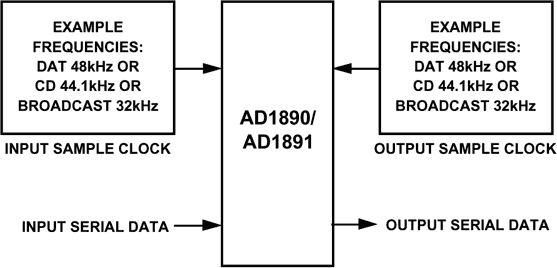
AD1890SamplePort Stereo ASRC for 18 and 20 bit applications | Interface | 4 | Active | The AD1890 and AD1891 SamplePorts are fully digital, stereo Asynchronous Sample Rate Converters (ASRCs) that solve sample rate interfacing and compatibility problems in digital audio equipment. The AD1890 is intended for 18- and 20-bit professional applications, and the AD1891 is intended for 16-bit lower cost applications where large dynamic sample-rate changes are not encountered. These devices are asynchronous because the frequency and phase relationships between the input and output sample clocks (both are inputs to the AD1890/AD1891 ASRCs) are arbitrary and need not be related by a simple integer ratio. There is no need to explicitly select or program the input and output sample clock frequencies, as the AD1890/AD1891 automatically sense the relationship between the two clocks. The input and output sample clock frequencies can nominally range from 8 kHz to 56 kHz, and the ratio between them can vary from 1:2 to 2:1.The input and output control signals allow for considerable flexibility for interfacing to a variety of DSP chips, AES/EBU receivers and transmitters and for I2S compatible devices. Input and output data can be independently justified to the left/right clock edge, or delayed by one bit clock from the left/right clock edge. Input and output data can also be independently justified to the word clock rising edge or delayed by one bit clock from the word clock rising edge.The AD1890/AD1891 are fabricated in a 0.8 µm single poly, double metal CMOS process and are packaged in a 0.6" wide 28-pin plastic DIP and a 28-pin PLCC. The AD1890/AD1891 operate from a +5 V power supply over the temperature range of 0°C to +70°C.For more information on ADI's Audio Portfolio, visit theAudio Solutions home page. |
| Integrated Circuits (ICs) | 2 | Obsolete | ||
| Audio Special Purpose | 3 | Active | ||
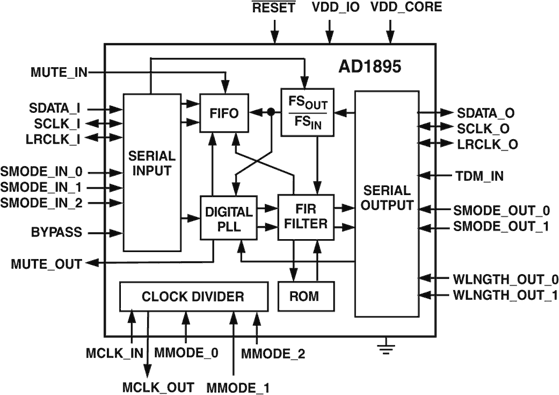
AD1895192kHZ Stereo Asynchronous Sample Rate Converter | Interface | 3 | Active | The AD1895 is a 24-bit, high-performance, single-chip, second-generation asynchronous sample rate converter. Based upon Analog Devices experience with its first family of asynchronous sample rate converters (the AD1890 to AD1893), the AD1895 offers improved performance and additional features.This improved performance includes a minimum THD+N of -115 dB for all input frequencies and sample rates, 128 dB dynamic range, 192 kHz sampling frequencies for both input and output sample rates, improved jitter rejection and 1:8 up-sampling and 7.75:1 down-sampling ratios. Additional features include a TDM mode to cascade multiple AD1895, more serial formats for better interfacing to digital signal processors and a bypass mode.APPLICATIONSHome TheaterAutomotive Audio SystemsDVDDVD-RCD-RSet-Top BoxesDigital Audio Effects ProcessorsPlease see theAD1896, our highest end sample rate converter with even more performance and additional features like matched phase mode.Please see: "Why do I need a 140 dB DNR". |
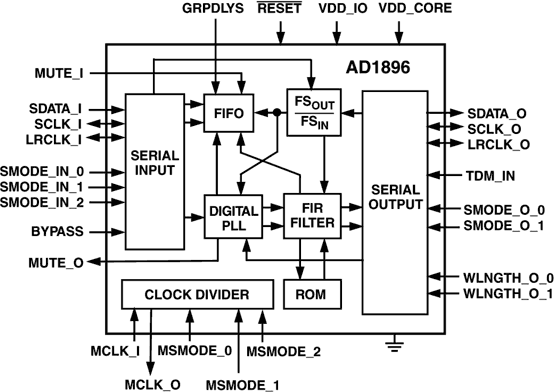
AD1896192kHzStereo Asynchronous Sample Rate Converter | Interface | 1 | Obsolete | The AD1896 is a sample rate converter; it is second generation and 24-bit, high-performance, single-chip, and asynchronous. Based upon Analog Devices experience with its first asynchronous sample rate converter, the AD1890, the AD1896 offers improved performance and additional features.This improved performance includes a minimum THD+N of 117dB for all input frequencies and sample rates, 142 dB dynamic range, 192 kHz sampling frequencies for both input and output sample rates, improved jitter rejection and 1:8 up-sampling and 7.75:1 down-sampling ratios. Additional features include more serial formats, a TDM mode to cascade multiple AD1896, a bypass mode, better interfacing to digital signal processors and a matched phase mode.Please look at: "Why do I need a 140 dB DNR".APPLICATIONSHome Theater SystemsStudio Digital MixersAutomotive Audio SystemsDVDSet-Top BoxesDigital Audio Effects ProcessorsStudio-to-Transmitter LinksDigital Audio Broadcast EquipmentDigital Tape Varispeed Applications |
| Integrated Circuits (ICs) | 2 | Obsolete | ||
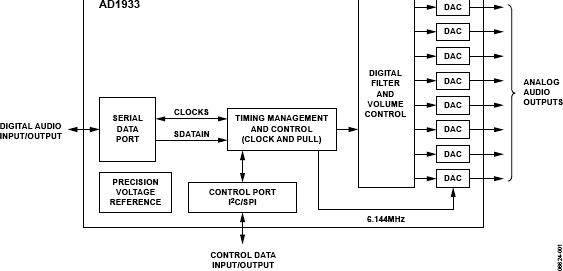
AD19338-Channel DAC with PLL and Differential Outputs, 192 kHz, 24 Bits | Digital to Analog Converters (DAC) | 1 | Active | The AD1933 is a high performance, single chip that provides eight digital-to-analog converters (DACs) with differential output using the Analog Devices, Inc., patented multibit sigma- delta (Σ-Δ) architecture. An SPI port is included, allowing a microcontroller to adjust volume and many other parameters. The AD1933 operates from 3.3 V digital and analog supplies. The AD1933 is available in a 64-lead (differential output) LQFP. Other members of this family include a single-ended DAC output and I2C® control port version.The AD1933 is designed for low EMI. This consideration is apparent in both the system and circuit design architectures. By using the on-board PLL to derive the master clock from the LR clock or from an external crystal, the AD1933 eliminates the need for a separate high frequency master clock and can also be used with a suppressed bit clock. The DACs are designed using the latest Analog Devices continuous time architectures to further minimize EMI. By using 3.3 V supplies, power consumption is minimized, further reducing emissions.Applications:Automotive audio systemsHome Theater SystemsSet-top boxesDigital audio effects processors |
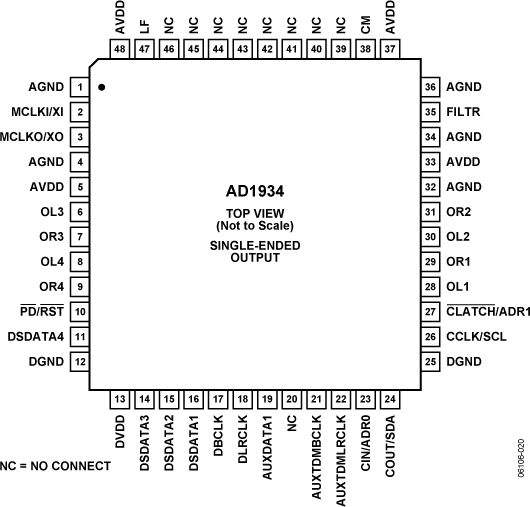
AD19348-Channel DAC with PLL, 192 kHz, 24 Bits | Integrated Circuits (ICs) | 2 | Active | The AD1934 is a high performance, single chip that provides eight digital-to-analog converters (DACs) with single-ended output using the Analog Devices, Inc., patented multibit sigma-delta (Σ-Δ) architecture. An SPI port is included, allowing a microcontroller to adjust volume and many other parameters. The AD1934 operates from 3.3 V digital and analog supplies. The AD1934 is available in a 48-lead (single-ended output) LQFP. Other members of this family include a differential DAC output and I2C®control port version.The AD1934 is designed for low EMI. This consideration is apparent in both the system and circuit design architectures. By using the on-board PLL to derive the master clock from the LR clock or from an external crystal, the AD1934 eliminates the need for a separate high frequency master clock and can also be used with a suppressed bit clock. The DACs are designed using the latest Analog Devices continuous time architectures to further minimize EMI. By using 3.3 V supplies, power consumption is minimized, further reducing emissions.APPLICATIONSAutomotive audio systemsHome theater systemsSet-top boxesDigital audio effects processors |