TPS28225-Q1 Series
Automotive 4-A, 27-V half bridge gate driver with 4-V UVLO for synchronous rectification
Manufacturer: Texas Instruments
Catalog
Automotive 4-A, 27-V half bridge gate driver with 4-V UVLO for synchronous rectification
Key Features
• Qualified for automotive applicationsDrives two N-channel MOSFETs with 14-ns adaptive dead timeWide gate drive voltage: 4.5 V up to 8.8 V with best efficiency at 7 V to 8 VWide power system train input voltage: 3 V up to 27 VWide input PWM signals: 2-V up to 13.2-V amplitudeCapable of driving MOSFETs with ≥40-A current per phaseHigh frequency operation: 14-ns propagation delay and 10-ns rise or fall time allows FSWup to 2 MHzCapable of propagating <30-ns input PWM pulsesLow-side driver sink on-resistance (0.4 Ω) prevents dV/dT related shoot-through currentThree-state PWM input for power stage shutdownSpace saving enable (input) and power good (output) signals on the same pinThermal shutdownUVLO protectionInternal bootstrap diodeEconomical SOIC-8 and thermally enhanced 3-mm × 3-mm VSON-8 packagesHigh performance replacement for popular three-state input driversQualified for automotive applicationsDrives two N-channel MOSFETs with 14-ns adaptive dead timeWide gate drive voltage: 4.5 V up to 8.8 V with best efficiency at 7 V to 8 VWide power system train input voltage: 3 V up to 27 VWide input PWM signals: 2-V up to 13.2-V amplitudeCapable of driving MOSFETs with ≥40-A current per phaseHigh frequency operation: 14-ns propagation delay and 10-ns rise or fall time allows FSWup to 2 MHzCapable of propagating <30-ns input PWM pulsesLow-side driver sink on-resistance (0.4 Ω) prevents dV/dT related shoot-through currentThree-state PWM input for power stage shutdownSpace saving enable (input) and power good (output) signals on the same pinThermal shutdownUVLO protectionInternal bootstrap diodeEconomical SOIC-8 and thermally enhanced 3-mm × 3-mm VSON-8 packagesHigh performance replacement for popular three-state input drivers
Description
AI
The TPS28225-Q1 is a high-speed driver for N-channel complementary driven power MOSFETs with adaptive dead-time control. This driver is optimized for use in variety of high-current, single and multi-phase DC-to-DC converters. The TPS28225-Q1 is highly efficient, has a small solution size and low-EMI emissions.
The TPS28225-Q1 device offers high performance features such as a 8.8-V gate drive voltage, 14-ns adaptive dead-time control, 14-ns propagation delays and high-current 2-A source and 4-A sink drive capabilities. The 0.4-Ω impedance for the lower gate driver holds the gate of power MOSFET below its threshold and ensures no shoot-through current at high dV/dt phase node transitions. The bootstrap capacitor is charged by an internal diode which allows the use of an N-channel MOSFETs in a half-bridge configuration.
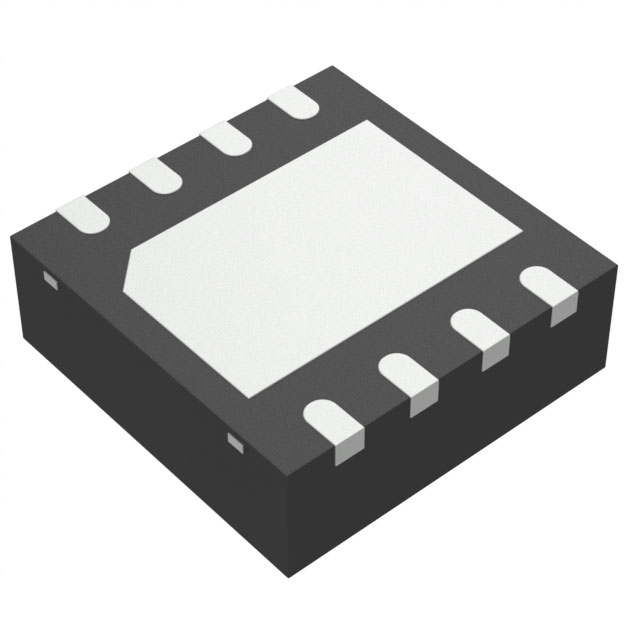
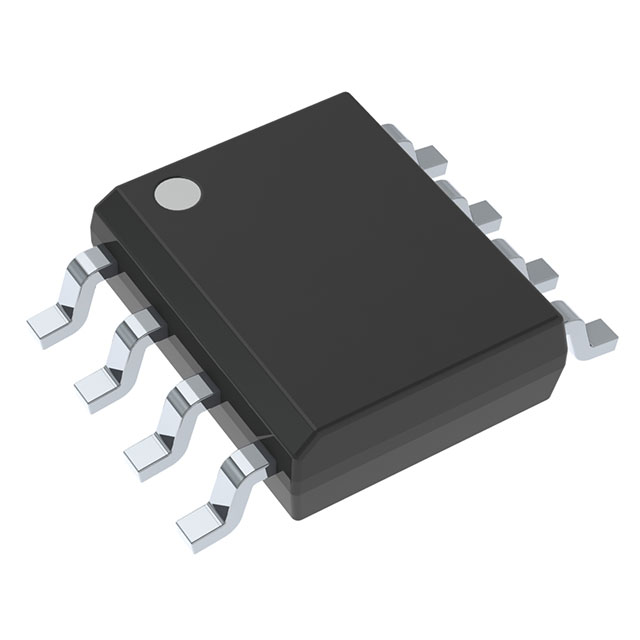
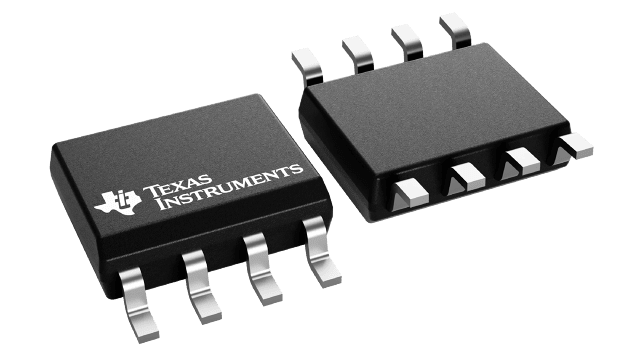
The TPS28225-Q1 is offered in an economical SOIC-8 package and in a thermally enhanced small sized VSON package. The driver is specified to operate in the temperature range of –40°C to 105°C with the absolute maximum junction temperature of 150°C.
The TPS28225-Q1 is a high-speed driver for N-channel complementary driven power MOSFETs with adaptive dead-time control. This driver is optimized for use in variety of high-current, single and multi-phase DC-to-DC converters. The TPS28225-Q1 is highly efficient, has a small solution size and low-EMI emissions.
The TPS28225-Q1 device offers high performance features such as a 8.8-V gate drive voltage, 14-ns adaptive dead-time control, 14-ns propagation delays and high-current 2-A source and 4-A sink drive capabilities. The 0.4-Ω impedance for the lower gate driver holds the gate of power MOSFET below its threshold and ensures no shoot-through current at high dV/dt phase node transitions. The bootstrap capacitor is charged by an internal diode which allows the use of an N-channel MOSFETs in a half-bridge configuration.
The TPS28225-Q1 is offered in an economical SOIC-8 package and in a thermally enhanced small sized VSON package. The driver is specified to operate in the temperature range of –40°C to 105°C with the absolute maximum junction temperature of 150°C.