


SN74AHC123A-EP Series
Enhanced Product Dual Retriggerable Monostable Multivibrator
Manufacturer: Texas Instruments
Catalog
Enhanced Product Dual Retriggerable Monostable Multivibrator
| Part | Schmitt Trigger Input | Independent Circuits | Propagation Delay | Supplier Device Package | Voltage - Supply [Min] | Voltage - Supply [Max] | Operating Temperature [Min] | Operating Temperature [Max] | Mounting Type | Logic Type | Current - Output High, Low [custom] | Current - Output High, Low [custom] | Package / Case | Package / Case [x] | Package / Case [y] |
|---|---|---|---|---|---|---|---|---|---|---|---|---|---|---|---|
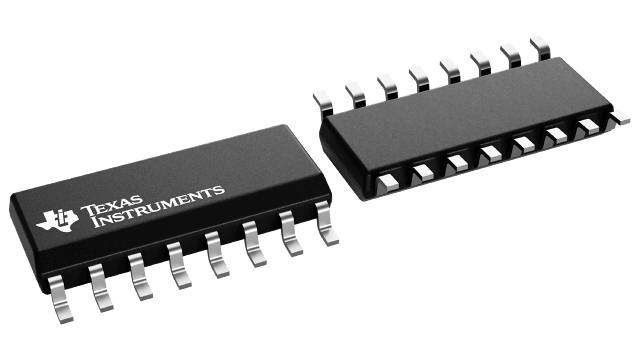
 Texas Instruments | 2 | 7.5 ns | 16-SOIC | 2 V | 5.5 V | -55 °C | 125 °C | Surface Mount | Monostable | 8 mA | 8 mA | 16-SOIC | 0.154 in | 3.9 mm | |
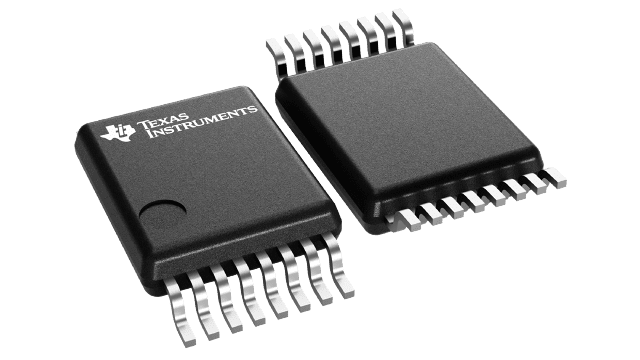 Texas Instruments | 2 | 7.5 ns | 16-TVSOP | 2 V | 5.5 V | -40 °C | 85 °C | Surface Mount | Monostable | 8 mA | 8 mA | 16-TFSOP | 0.173 in | 4.4 mm | |
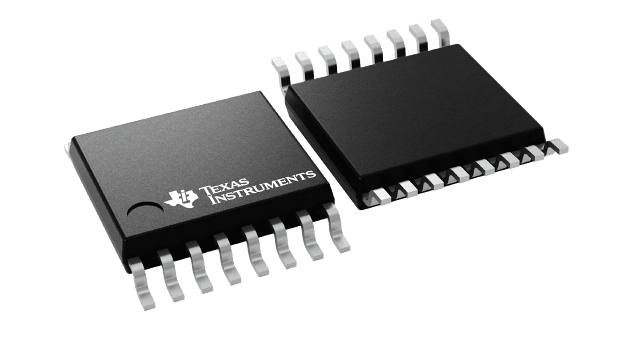 Texas Instruments | 2 | 7.5 ns | 16-TSSOP | 2 V | 5.5 V | -40 °C | 85 °C | Surface Mount | Monostable | 8 mA | 8 mA | 16-TSSOP | 0.173 in | 4.4 mm | |
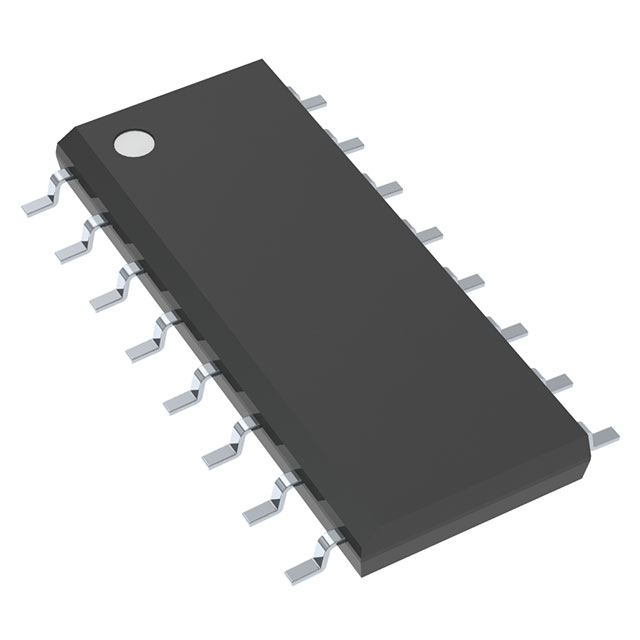 Texas Instruments | 2 | 7.5 ns | 16-SOIC | 2 V | 5.5 V | -55 °C | 125 °C | Surface Mount | Monostable | 8 mA | 8 mA | 16-SOIC | 0.154 in | 3.9 mm |
Key Features
• Controlled BaselineOne Assembly SiteOne Test SiteOne Fabrication SiteExtended Temperature Performance of -55°C to 125°CEnhanced Diminishing Manufacturing Sources (DMS) SupportEnhanced Product-Change NotificationQualification Pedigree(1)Operating Range 2-V to 5.5-V VCCSchmitt-Trigger Circuitry OnA, B, andCLRInputs for Slow Input Transition RatesEdge Triggered From Active-High or Active-Low Gated Logic InputsRetriggerable for Long Output PulsesOverriding Clear Terminates Output PulseGlitch-Free Power-Up Reset On OutputsLatch-Up Performance Exceeds 100 mA Per JESD 78, Class IIESD Protection Exceeds JESD 222000-V Human-Body Model (A114-A)200-V Machine Model (A115-A)1000-V Charged-Device Model (C101)(1)Component qualification in accordance with JEDEC and industry standards to ensure reliable operation over an extended temperature range. This includes, but is not limited to, Highly Accelerated Stress Test (HAST) or biased 85/85, temperature cycle, autoclave or unbiased HAST, electromigration, bond intermetallic life, and mold compound life. Such qualification testing should not be viewed as justifying use of this component beyond specified performance and environmental limits.Controlled BaselineOne Assembly SiteOne Test SiteOne Fabrication SiteExtended Temperature Performance of -55°C to 125°CEnhanced Diminishing Manufacturing Sources (DMS) SupportEnhanced Product-Change NotificationQualification Pedigree(1)Operating Range 2-V to 5.5-V VCCSchmitt-Trigger Circuitry OnA, B, andCLRInputs for Slow Input Transition RatesEdge Triggered From Active-High or Active-Low Gated Logic InputsRetriggerable for Long Output PulsesOverriding Clear Terminates Output PulseGlitch-Free Power-Up Reset On OutputsLatch-Up Performance Exceeds 100 mA Per JESD 78, Class IIESD Protection Exceeds JESD 222000-V Human-Body Model (A114-A)200-V Machine Model (A115-A)1000-V Charged-Device Model (C101)(1)Component qualification in accordance with JEDEC and industry standards to ensure reliable operation over an extended temperature range. This includes, but is not limited to, Highly Accelerated Stress Test (HAST) or biased 85/85, temperature cycle, autoclave or unbiased HAST, electromigration, bond intermetallic life, and mold compound life. Such qualification testing should not be viewed as justifying use of this component beyond specified performance and environmental limits.
Description
AI
The SN74AHC123A device is a dual retriggerable monostable multivibrator designed for 2-V to 5.5-V VCCoperation.
This edge-triggered multivibrator features output pulse-duration control by three methods. In the first method, theAinput is low, and the B input goes high. In the second method, the B input is high, and theAinput goes low. In the third method, theAinput is low, the B input is high, and the clear (CLR) input goes high.
The output pulse duration is programmed by selecting external resistance and capacitance values. The external timing capacitor must be connected between Cextand Rext/Cext(positive) and an external resistor connected between Rext/Cextand VCC. To obtain variable pulse durations, connect an external variable resistance between Rext/Cextand VCC. The output pulse duration can be reduced by takingCLRlow.
Pulse triggering occurs at a particular voltage level and is not directly related to the transition time of the input pulse. TheA, B, andCLRinputs have Schmitt triggers with sufficient hysteresis to handle slow input transition rates with jitter-free triggering at the outputs.
Once triggered, the basic pulse duration can be extended by retriggering the gated low-level-active (A) or high-level-active (B) input. Pulse duration can be reduced by takingCLRlow.CLRcan be used to overrideAor B inputs. The input/output timing diagram illustrates pulse control by retriggering the inputs and early clearing.
The variance in output pulse duration from device to device is less than ±0.5% (typ) for given external timing components.
During power up, Q outputs are in the low state andQoutputs are in the high state. The outputs are glitch free, without applying a reset pulse.
For additional application information on multivibrators, see the application reportDesigning With the SN74AHC123A and SN74AHCT123A, literature number SCLA014.
The SN74AHC123A device is a dual retriggerable monostable multivibrator designed for 2-V to 5.5-V VCCoperation.
This edge-triggered multivibrator features output pulse-duration control by three methods. In the first method, theAinput is low, and the B input goes high. In the second method, the B input is high, and theAinput goes low. In the third method, theAinput is low, the B input is high, and the clear (CLR) input goes high.
The output pulse duration is programmed by selecting external resistance and capacitance values. The external timing capacitor must be connected between Cextand Rext/Cext(positive) and an external resistor connected between Rext/Cextand VCC. To obtain variable pulse durations, connect an external variable resistance between Rext/Cextand VCC. The output pulse duration can be reduced by takingCLRlow.
Pulse triggering occurs at a particular voltage level and is not directly related to the transition time of the input pulse. TheA, B, andCLRinputs have Schmitt triggers with sufficient hysteresis to handle slow input transition rates with jitter-free triggering at the outputs.
Once triggered, the basic pulse duration can be extended by retriggering the gated low-level-active (A) or high-level-active (B) input. Pulse duration can be reduced by takingCLRlow.CLRcan be used to overrideAor B inputs. The input/output timing diagram illustrates pulse control by retriggering the inputs and early clearing.
The variance in output pulse duration from device to device is less than ±0.5% (typ) for given external timing components.
During power up, Q outputs are in the low state andQoutputs are in the high state. The outputs are glitch free, without applying a reset pulse.
For additional application information on multivibrators, see the application reportDesigning With the SN74AHC123A and SN74AHCT123A, literature number SCLA014.