MSP430FR2633 Series
Capacitive Touch MCU with 16 touch IO (64 sensors), 16KB FRAM, 4KB SRAM, 19 IO, 10-bit ADC
Manufacturer: Texas Instruments
Catalog
Capacitive Touch MCU with 16 touch IO (64 sensors), 16KB FRAM, 4KB SRAM, 19 IO, 10-bit ADC
Key Features
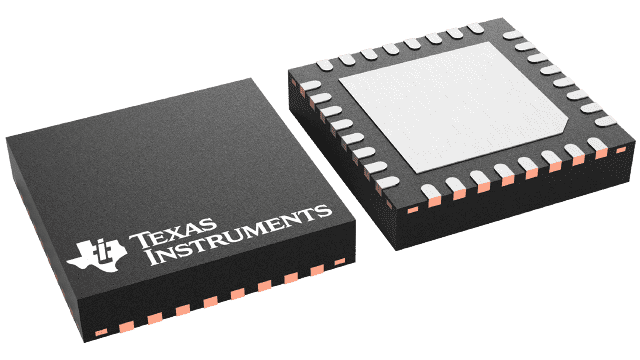
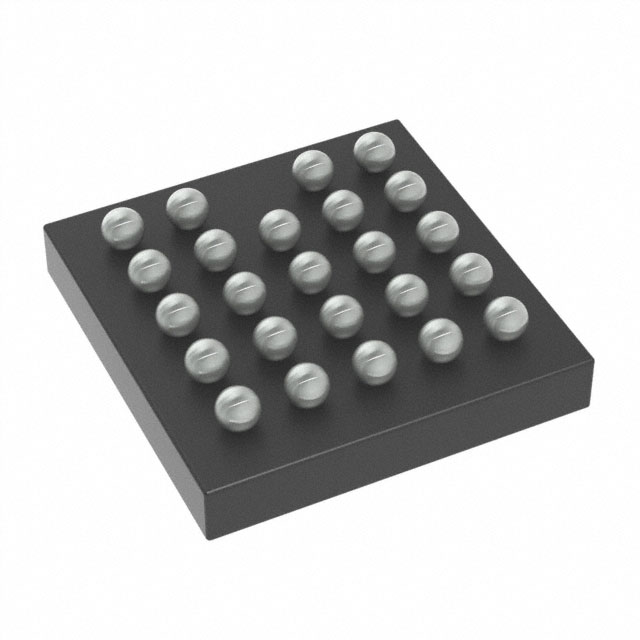
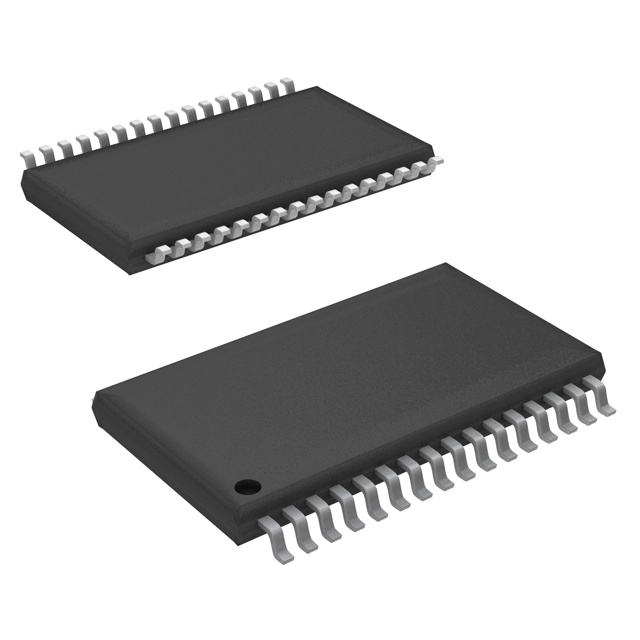
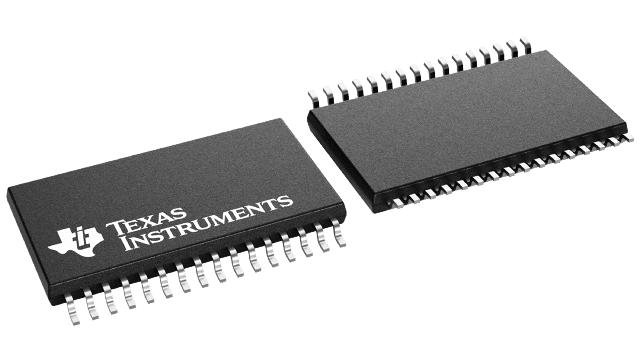
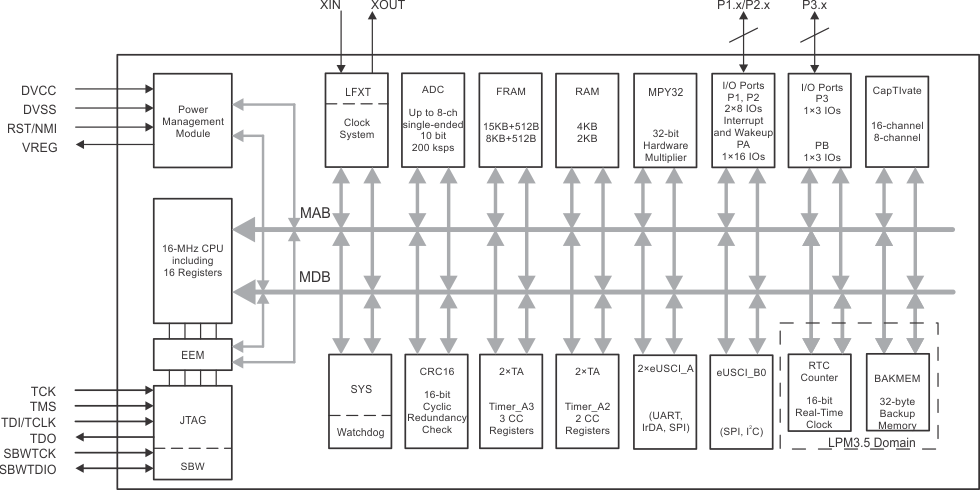
• CapTIvate™ technology– capacitive touchPerformanceFast electrode scanning with four simultaneous scansSupport for high-resolution sliders with up to 1024 pointsProximity sensingReliabilityIncreased immunity to power line, RF, and other environmental noiseBuilt-in spread spectrum, automatic tuning, noise filtering, and debouncing algorithmsEnablesreliable touch solutionswith 10-V RMS common-mode noise, 4-kV electrical fast transients, and 15-kV electrostatic discharge, allowing for IEC‑61000-4-6, IEC‑61000-4-4, and IEC‑61000-4-2 complianceReduced RF emissions to simplify electrical designsSupport for metal touch and water rejection designsFlexibilityUp to 16 self-capacitance and 64 mutual-capacitance electrodesMix and matchself- and mutual-capacitive electrodes in the same designSupports multitouch functionalityWide range of capacitance detection, wide electrode range of 0 to 300 pFLow power<5 µA wake-on-touch with four sensorsWake-on-touch state machine allows electrode scanning while CPU is asleepHardware acceleration for environmental compensation, filtering, and threshold detectionEase of useCapTIvate Design CenterPC GUI lets engineers design and tune capacitive buttons in real time without having to write codeCapTIvate software library in ROM provides ample FRAM for customer applicationEmbedded microcontroller16-bit RISC architectureClock supports frequencies up to 16 MHzWide supply voltage range from 3.6 V down to 1.8 V (minimum supply voltage is restricted by SVS levels, see the SVS specifications)Optimized ultra-low-power modesActive mode: 126 µA/MHz (typical)Standby: <5 µA wake-on-touch with four sensorsLPM3.5 real-time clock (RTC) counter with 32768-Hz crystal: 730 nA (typical)Shutdown (LPM4.5): 16 nA (typical)High-performance analog8-channel 10-bit analog-to-digital converter (ADC)Internal 1.5-V referenceSample-and-hold 200 kspsEnhanced serial communicationsTwo enhanced universal serial communication interfaces (eUSCI_A) support UART, IrDA, and SPIOne eUSCI (eUSCI_B) supports SPI and I2CIntelligent digital peripheralsFour 16-bit timersTwo timers with three capture/compare registers each (Timer_A3)Two timers with two capture/compare registers each (Timer_A2)One 16-bit timer associated with CapTIvate technologyOne 16-bit counter-only RTC16-bit cyclic redundancy check (CRC)Low-power ferroelectric RAM (FRAM)Up to 15.5KB of nonvolatile memoryBuilt-in error correction code (ECC)Configurable write protectionUnified memory of program, constants, and storage1015write cycle enduranceRadiation resistant and nonmagneticHigh FRAM-to-SRAM ratio, up to 4:1Clock system (CS)On-chip 32-kHz RC oscillator (REFO)On-chip 16-MHz digitally controlled oscillator (DCO) with frequency-locked loop (FLL)±1% accuracy with on-chip reference at room temperatureOn-chip very low-frequency 10-kHz oscillator (VLO)On-chip high-frequency modulation oscillator (MODOSC)External 32-kHz crystal oscillator (LFXT)Programmable MCLK prescalar of 1 to 128SMCLK derived from MCLK with programmable prescalar of 1, 2, 4, or 8General input/output and pin functionalityTotal of 19 I/Os on TSSOP-32 package16 interrupt pins (P1 and P2) can wake MCU from low-power modesDevelopment tools and softwareDevelopment toolsMSP CapTIvate™ MCU development kit evaluation: use withCAPTIVATE-PGMRprogrammer and capacitive touch MSP430FR2633 MCU boardCAPTIVATE‑FR2633Target development board (MSP‑TS430RGE24A)Ease-of-use ecosystemCapTIvate Design Center– code generation, customizable GUI, real-time tuningFamily members (also see Device Comparison)MSP430FR2633: 15KB of program FRAM, 512 bytes of information FRAM, 4KB of RAM, up to 16 self-capacitive or 64 mutual-capacitive sensorsMSP430FR2533: 15KB of program FRAM, 512 bytes of information FRAM, 2KB of RAM, up to 16 self-capacitive or 24 mutual-capacitive sensorsMSP430FR2632: 8KB of program FRAM, 512 bytes of information FRAM, 2KB of RAM, up to 8 self-capacitive or 16 mutual-capacitive sensorsMSP430FR2532: 8KB of program FRAM, 512 bytes of information FRAM, 1KB of RAM, up to 8 self-capacitive or 8 mutual-capacitive sensorsPackage options32 pin: VQFN (RHB)32 pin: TSSOP (DA)24 pin: VQFN (RGE)24-pin: DSBGA (YQW)CapTIvate™ technology– capacitive touchPerformanceFast electrode scanning with four simultaneous scansSupport for high-resolution sliders with up to 1024 pointsProximity sensingReliabilityIncreased immunity to power line, RF, and other environmental noiseBuilt-in spread spectrum, automatic tuning, noise filtering, and debouncing algorithmsEnablesreliable touch solutionswith 10-V RMS common-mode noise, 4-kV electrical fast transients, and 15-kV electrostatic discharge, allowing for IEC‑61000-4-6, IEC‑61000-4-4, and IEC‑61000-4-2 complianceReduced RF emissions to simplify electrical designsSupport for metal touch and water rejection designsFlexibilityUp to 16 self-capacitance and 64 mutual-capacitance electrodesMix and matchself- and mutual-capacitive electrodes in the same designSupports multitouch functionalityWide range of capacitance detection, wide electrode range of 0 to 300 pFLow power<5 µA wake-on-touch with four sensorsWake-on-touch state machine allows electrode scanning while CPU is asleepHardware acceleration for environmental compensation, filtering, and threshold detectionEase of useCapTIvate Design CenterPC GUI lets engineers design and tune capacitive buttons in real time without having to write codeCapTIvate software library in ROM provides ample FRAM for customer applicationEmbedded microcontroller16-bit RISC architectureClock supports frequencies up to 16 MHzWide supply voltage range from 3.6 V down to 1.8 V (minimum supply voltage is restricted by SVS levels, see the SVS specifications)Optimized ultra-low-power modesActive mode: 126 µA/MHz (typical)Standby: <5 µA wake-on-touch with four sensorsLPM3.5 real-time clock (RTC) counter with 32768-Hz crystal: 730 nA (typical)Shutdown (LPM4.5): 16 nA (typical)High-performance analog8-channel 10-bit analog-to-digital converter (ADC)Internal 1.5-V referenceSample-and-hold 200 kspsEnhanced serial communicationsTwo enhanced universal serial communication interfaces (eUSCI_A) support UART, IrDA, and SPIOne eUSCI (eUSCI_B) supports SPI and I2CIntelligent digital peripheralsFour 16-bit timersTwo timers with three capture/compare registers each (Timer_A3)Two timers with two capture/compare registers each (Timer_A2)One 16-bit timer associated with CapTIvate technologyOne 16-bit counter-only RTC16-bit cyclic redundancy check (CRC)Low-power ferroelectric RAM (FRAM)Up to 15.5KB of nonvolatile memoryBuilt-in error correction code (ECC)Configurable write protectionUnified memory of program, constants, and storage1015write cycle enduranceRadiation resistant and nonmagneticHigh FRAM-to-SRAM ratio, up to 4:1Clock system (CS)On-chip 32-kHz RC oscillator (REFO)On-chip 16-MHz digitally controlled oscillator (DCO) with frequency-locked loop (FLL)±1% accuracy with on-chip reference at room temperatureOn-chip very low-frequency 10-kHz oscillator (VLO)On-chip high-frequency modulation oscillator (MODOSC)External 32-kHz crystal oscillator (LFXT)Programmable MCLK prescalar of 1 to 128SMCLK derived from MCLK with programmable prescalar of 1, 2, 4, or 8General input/output and pin functionalityTotal of 19 I/Os on TSSOP-32 package16 interrupt pins (P1 and P2) can wake MCU from low-power modesDevelopment tools and softwareDevelopment toolsMSP CapTIvate™ MCU development kit evaluation: use withCAPTIVATE-PGMRprogrammer and capacitive touch MSP430FR2633 MCU boardCAPTIVATE‑FR2633Target development board (MSP‑TS430RGE24A)Ease-of-use ecosystemCapTIvate Design Center– code generation, customizable GUI, real-time tuningFamily members (also see Device Comparison)MSP430FR2633: 15KB of program FRAM, 512 bytes of information FRAM, 4KB of RAM, up to 16 self-capacitive or 64 mutual-capacitive sensorsMSP430FR2533: 15KB of program FRAM, 512 bytes of information FRAM, 2KB of RAM, up to 16 self-capacitive or 24 mutual-capacitive sensorsMSP430FR2632: 8KB of program FRAM, 512 bytes of information FRAM, 2KB of RAM, up to 8 self-capacitive or 16 mutual-capacitive sensorsMSP430FR2532: 8KB of program FRAM, 512 bytes of information FRAM, 1KB of RAM, up to 8 self-capacitive or 8 mutual-capacitive sensorsPackage options32 pin: VQFN (RHB)32 pin: TSSOP (DA)24 pin: VQFN (RGE)24-pin: DSBGA (YQW)
Description
AI
The MSP430FR263x and MSP430FR253x are ultra-low-power MSP430™ microcontrollers for capacitive touch sensing that featureCapTIvate™ touch technologyfor buttons, sliders, wheels, and proximity applications. MSP430 MCUs with CapTIvate technology provide the most integrated and autonomous capacitive-touch solution in the market with high reliability and noise immunity at the lowest power. TI’s capacitive touch technology supports concurrent self-capacitance and mutual-capacitance electrodes on the same design for maximum flexibility. MSP430 MCUs with CapTIvate technology operate through thick glass, plastic enclosures, metal, and wood with operation in harsh environments including wet, greasy, and dirty environments.
TI capacitive touch sensing MSP430 MCUs are supported by an extensive hardware and software ecosystem with reference designs and code examples to get your design started quickly. Development kits include theMSP-CAPT-FR2633 CapTIvate technology development kit. TI also provides free software including theCapTIvate Design Center, where engineers can quickly develop applications with an easy-to-use GUI andMSP430Ware™ softwareand comprehensive documentation with theCapTIvate Technology Guide.
TI’s MSP430 ultra-low-power (ULP) FRAM microcontroller platform combines uniquely embedded FRAM and a holistic ultra-low-power system architecture, allowing system designers to increase performance while lowering energy consumption. FRAM technology combines the low-energy fast writes, flexibility, and endurance of RAM with the nonvolatility of flash.
For complete module descriptions, see theMSP430FR4xx and MSP430FR2xx Family User’s Guide.
The MSP430FR263x and MSP430FR253x are ultra-low-power MSP430™ microcontrollers for capacitive touch sensing that featureCapTIvate™ touch technologyfor buttons, sliders, wheels, and proximity applications. MSP430 MCUs with CapTIvate technology provide the most integrated and autonomous capacitive-touch solution in the market with high reliability and noise immunity at the lowest power. TI’s capacitive touch technology supports concurrent self-capacitance and mutual-capacitance electrodes on the same design for maximum flexibility. MSP430 MCUs with CapTIvate technology operate through thick glass, plastic enclosures, metal, and wood with operation in harsh environments including wet, greasy, and dirty environments.
TI capacitive touch sensing MSP430 MCUs are supported by an extensive hardware and software ecosystem with reference designs and code examples to get your design started quickly. Development kits include theMSP-CAPT-FR2633 CapTIvate technology development kit. TI also provides free software including theCapTIvate Design Center, where engineers can quickly develop applications with an easy-to-use GUI andMSP430Ware™ softwareand comprehensive documentation with theCapTIvate Technology Guide.
TI’s MSP430 ultra-low-power (ULP) FRAM microcontroller platform combines uniquely embedded FRAM and a holistic ultra-low-power system architecture, allowing system designers to increase performance while lowering energy consumption. FRAM technology combines the low-energy fast writes, flexibility, and endurance of RAM with the nonvolatility of flash.
For complete module descriptions, see theMSP430FR4xx and MSP430FR2xx Family User’s Guide.