Catalog
Nonvolatile Memory, 1024-Position Digital Potentiometer
Key Features
• 1024-position resolution
• Nonvolatile memory maintains wiper setting
• Power-on refresh with EEMEM setting
• EEMEM restore time: 140 μs typ
• Full monotonic operation
• 10 kΩ, 50 kΩ, and 100 kΩ terminal resistance
• Permanent memory write protection
• Predefined linear increment/decrement instructions
• Predefined ±6 dB/step log taper increment/decrement instructions
• SPI®-compatible serial interface
• 3 V to 5 V single-supply or±2.5 V dual-supply operation
• Wiper setting readback
Description
AI
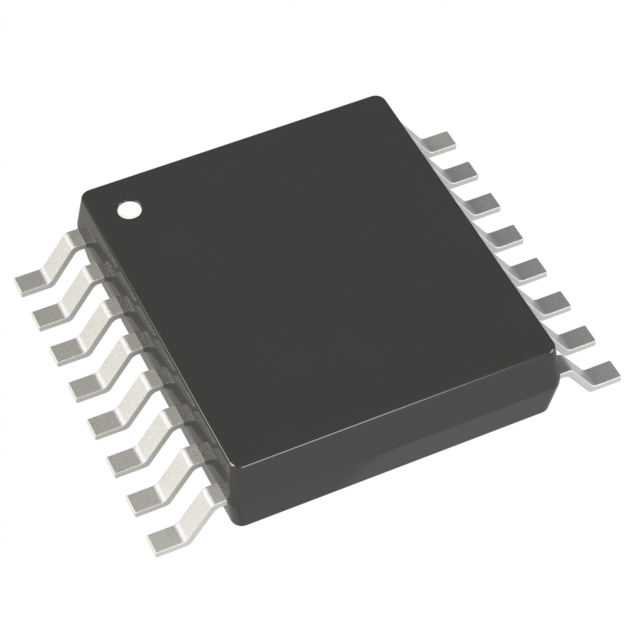
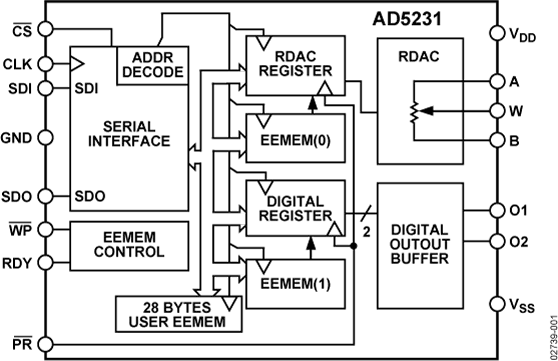
The AD5231 is a nonvolatile memory, digitally controlled potentiometer with 1024-step resolution. The device performs the same electronic adjustment function as a mechanical potentiometer with enhanced resolution, solid state reliability, and remote controllability. The AD5231 has versatile programming that uses a standard 3-wire serial interface for 16 modes of operation and adjustment, including scratchpad programming, memory storing and restoring, increment/decrement, ±6 dB/step log taper adjustment, wiper setting readback, and extra EEMEM for user-defined information, such as memory data for other components, look-up table, or system identification information.In scratchpad programming mode, a specific setting can be programmed directly to the RDAC register that sets the resistance between Terminals W–A and Terminals W–B. This setting can be stored into the EEMEM and is transferred automatically to the RDAC register during system power-on.The EEMEM content can be restored dynamically or through externalPRstrobing, and aWPfunction protects EEMEM contents. To simplify the programming, the linear-step increment or decrement commands can be used to move the RDAC wiper up or down, one step at a time. The ±6 dB step commands can be used to double or half the RDAC wiper setting.The AD5231 is available in a 16-lead TSSOP. The part is guaranteed to operate over the extended industrial temperature range of −40°C to +85°C.APPLICATIONSMechanical potentiometer replacementInstrumentation: gain, offset adjustmentProgrammable voltage to current conversionProgrammable filters, delays, time constantsProgrammable power supplyLow resolution DAC replacementSensor calibration