


TPS54 Series
4-V to 16-V input, 6-A synchronous buck converter, 600-mV reference voltage and hiccup current limit
Manufacturer: Texas Instruments
Catalog
4-V to 16-V input, 6-A synchronous buck converter, 600-mV reference voltage and hiccup current limit
| Part | Voltage - Input (Max) [Max] | Mounting Type | Operating Temperature [Min] | Operating Temperature [Max] | Voltage - Output (Min/Fixed) | Frequency - Switching | Output Type | Voltage - Output (Max) [Max] | Number of Outputs | Output Configuration | Supplier Device Package | Topology | Package / Case | Current - Output | Function | Voltage - Input (Min) [Min] | Synchronous Rectifier | Voltage - Output (Min/Fixed) [Min] | Frequency - Switching | Outputs and Type | Outputs and Type | Board Type | Supplied Contents | Contents | Voltage - Input [Min] | Voltage - Input [Max] | Utilized IC / Part | Regulator Topology | Voltage - Output | Main Purpose | Supplier Device Package [x] | Supplier Device Package [y] | Frequency - Switching [Min] | Frequency - Switching [Max] |
|---|---|---|---|---|---|---|---|---|---|---|---|---|---|---|---|---|---|---|---|---|---|---|---|---|---|---|---|---|---|---|---|---|---|---|
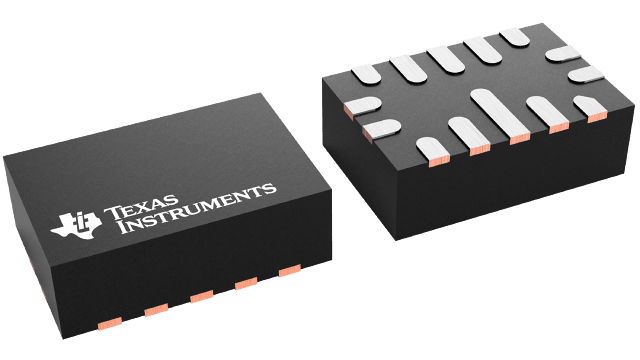 Texas Instruments | 16 V | Surface Mount | -40 C | 125 °C | 0.6 V | 1.1 MHz 2.2 MHz 630 kHz | Adjustable | 5.5 V | 1 | Positive | 14-VQFN-HR (2x3) | Buck | 14-PowerTFQFN | 6 A | Step-Down | 2.7 V | ||||||||||||||||||
 Texas Instruments | 16 V | Surface Mount Wettable Flank | -40 C | 125 °C | 1.1 MHz 1.4 MHz 800 kHz | Adjustable | 5.5 V | 1 | Positive | 16-WQFN-FCRLF (3x3.5) | Buck | 16-PowerWFQFN | 25 A | Step-Down | 4 V | 0.5 V | ||||||||||||||||||
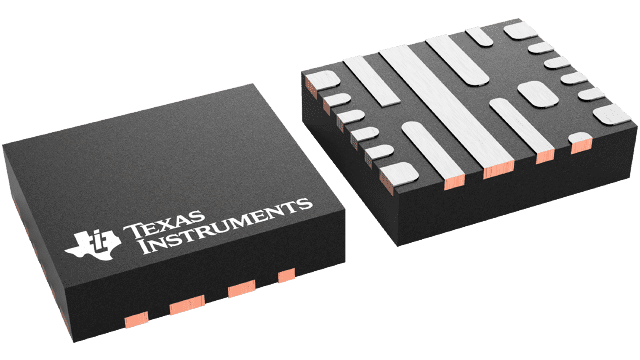 Texas Instruments | 14 V | Surface Mount | -40 C | 125 °C | Adjustable | 2 V | 1 | Positive | 20-VQFN-HR (4x3.5) | Buck | 10 A | Step-Down | 8 V | 0.5 V | Selectable | |||||||||||||||||||
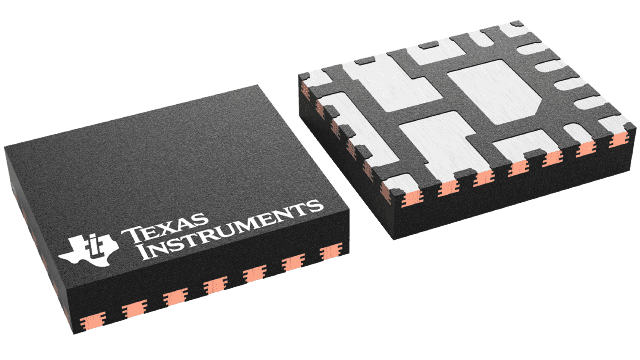 Texas Instruments | 16 V | Surface Mount Wettable Flank | -40 C | 125 °C | 0.9 V | 1.1 MHz 1.4 MHz 800 kHz | Adjustable | 5.5 V | 1 | Positive | 16-WQFN-FCRLF (3x3.5) | Buck | 16-PowerWFQFN | 25 A | Step-Down | 4 V | ||||||||||||||||||
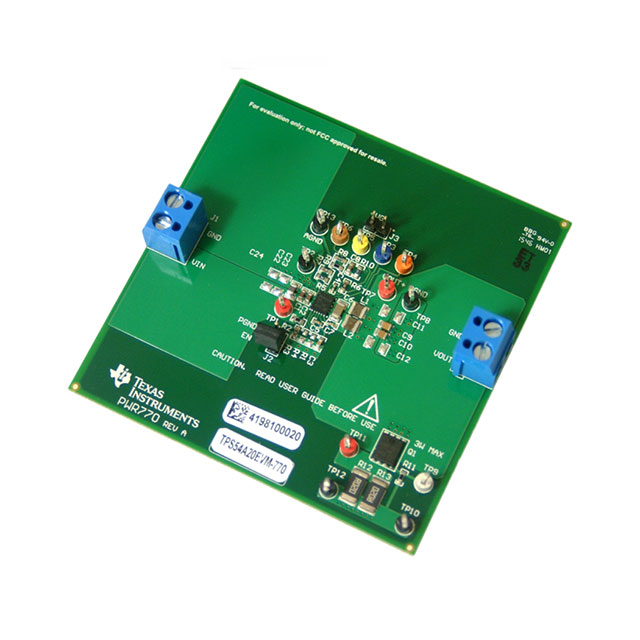 Texas Instruments | 2 MHz | 10 A | 1 | 1 Non-Isolated Output Non-Isolated | Fully Populated | Board(s) | Board(s) | 9.2 V | 14 V | TPS54A20 | Buck | 1.2 V | DC/DC Step Down | |||||||||||||||||||||
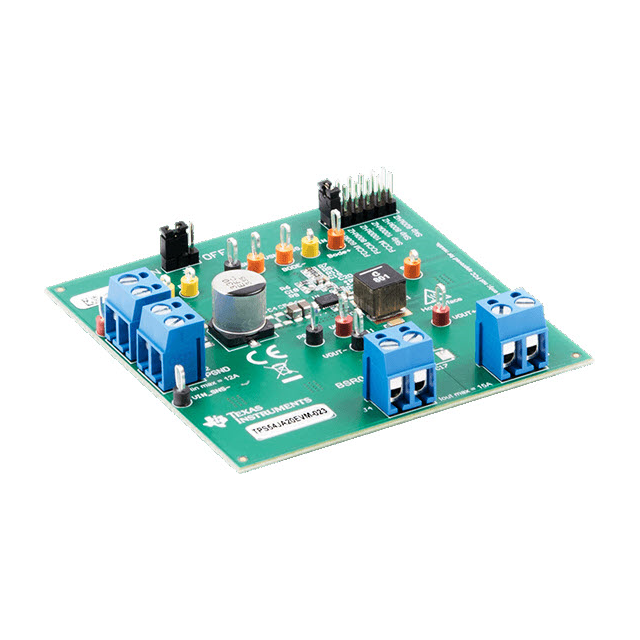 Texas Instruments | 800 kHz | 12 A | 1 | 1 Non-Isolated Output Non-Isolated | Fully Populated | Board(s) | Board(s) | 4 V | 16 V | TPS54JA20 | Buck | 2.5 V | DC/DC Step Down | |||||||||||||||||||||
 Texas Instruments | 6 A | 1 | 1 Non-Isolated Output Non-Isolated | Fully Populated | Board(s) | Board(s) | 8 V | 16 V | TPS54J061 | Buck | 1.8 V | DC/DC Step Down | ||||||||||||||||||||||
Texas Instruments | 14 V | Surface Mount | -40 C | 125 °C | Adjustable | 2 V | 1 | Positive | 20-VQFN-HR (4x3.5) | Buck | 10 A | Step-Down | 8 V | 0.5 V | Selectable | |||||||||||||||||||
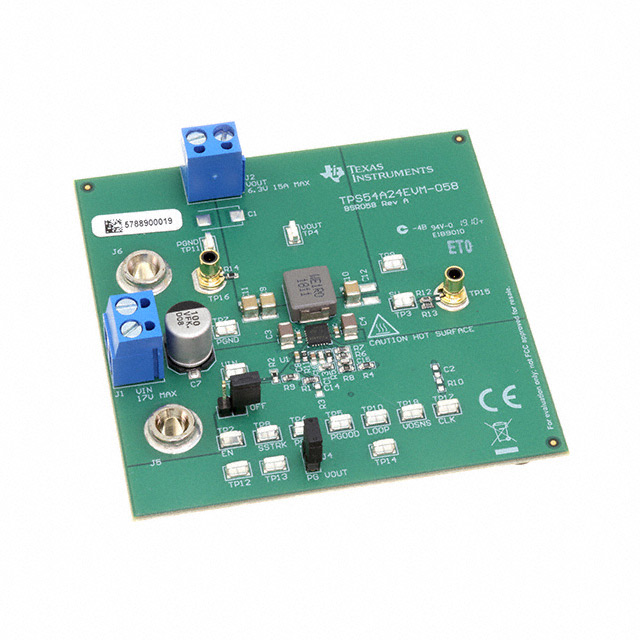 Texas Instruments | 500 kHz | 10 A | 1 Non-Isolated Output | Board(s) | 4.5 V | 17 V | TPS54A24 | Buck | 1.8 V | DC/DC Step Down | ||||||||||||||||||||||||
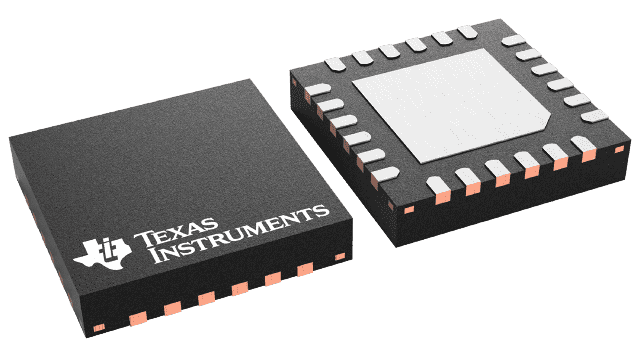 Texas Instruments | 17 V | Surface Mount | -40 °C | 150 °C | 0.6 V | Adjustable | 12 V | 1 | Positive | 24-WQFN | Buck | 24-WFQFN Exposed Pad | 10 A | Step-Down | 4.5 V | 4 | 4 | 200 kHz | 1.6 MHz |
Description
AI
The TPS54A24 is a full-featured 17-V, 10-A synchronous step-down DC/DC converter in a standard 4 mm × 4 mm WQFN package.
The device is optimized for small solution size through high efficiency and integrating the high-side and low-side MOSFETs. Further space savings are achieved through peak-current-mode control, which reduces component count, and by selecting a high switching frequency, reducing the inductor footprint.
The peak-current-mode control simplifies the loop compensation and provides fast transient response. Cycle-by-cycle peak current limiting on the high-side and low-side sourcing current limit protects the device in overload situations. Hiccup limits MOSFET power dissipation if a short circuit or over loading fault persists.
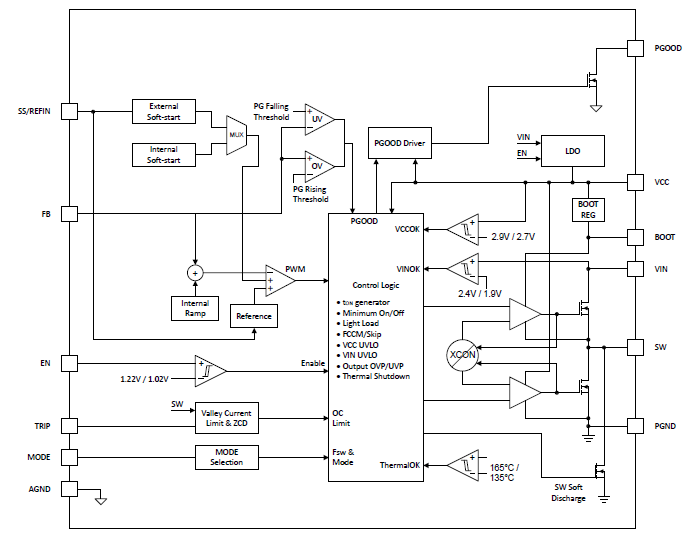
A power-good supervisor circuit monitors the regulator output. The PGOOD pin is an open-drain output and goes high impedance when the output voltage is in regulation. An internal deglitch time prevents the PGOOD pin from pulling low unless a fault has occurred.
A dedicated EN pin can be used to control the regulator on/off and adjust the input undervoltage lockout. The output voltage start-up ramp is controlled by the SS/TRK pin, which allows operation as either a standalone power supply or in tracking situations.
The TPS54A24 is a full-featured 17-V, 10-A synchronous step-down DC/DC converter in a standard 4 mm × 4 mm WQFN package.
The device is optimized for small solution size through high efficiency and integrating the high-side and low-side MOSFETs. Further space savings are achieved through peak-current-mode control, which reduces component count, and by selecting a high switching frequency, reducing the inductor footprint.
The peak-current-mode control simplifies the loop compensation and provides fast transient response. Cycle-by-cycle peak current limiting on the high-side and low-side sourcing current limit protects the device in overload situations. Hiccup limits MOSFET power dissipation if a short circuit or over loading fault persists.
A power-good supervisor circuit monitors the regulator output. The PGOOD pin is an open-drain output and goes high impedance when the output voltage is in regulation. An internal deglitch time prevents the PGOOD pin from pulling low unless a fault has occurred.
A dedicated EN pin can be used to control the regulator on/off and adjust the input undervoltage lockout. The output voltage start-up ramp is controlled by the SS/TRK pin, which allows operation as either a standalone power supply or in tracking situations.