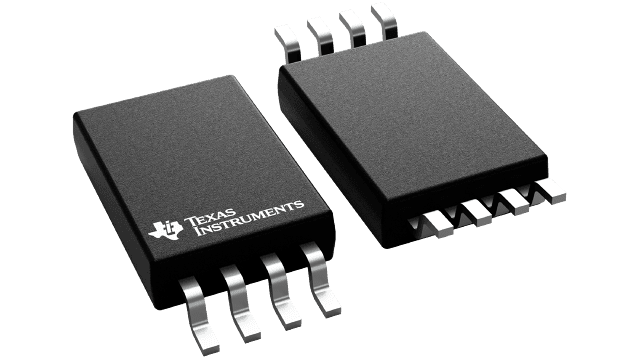
INA240-Q1 Series
AEC-Q100, -4 to 80V, bi-directional, ultra-precise current sense amplifier w/ enhanced pwm rejection
Manufacturer: Texas Instruments
Catalog
AEC-Q100, -4 to 80V, bi-directional, ultra-precise current sense amplifier w/ enhanced pwm rejection
Key Features
• AEC-Q100 Qualified for Automotive ApplicationsTemperature Grade 1: –40°C to +125°C Ambient Operating Temperature RangeTemperature Grade 0: –40°C to +150°C Ambient Operating Temperature RangeHBM ESD Classification Level H2CDM ESD Classification Level C5Functional Safety-CapableDocumentation available to aid functional safety system designEnhanced PWM RejectionExcellent CMRR:132-dB DC CMRR93-dB AC CMRR at 50 kHzWide Common-Mode Range: –4 V to 80 VAccuracy:Gain Error: 0.20% (Maximum) With 2.5 ppm/°C (Maximum Drift)Offset Voltage: ±25 µV (Maximum) With 250 nV/°C (Maximum Drift)Available Gains:INA240A1-Q1: 20 V/VINA240A2-Q1: 50 V/VINA240A3-Q1: 100 V/VINA240A4-Q1: 200 V/VAEC-Q100 Qualified for Automotive ApplicationsTemperature Grade 1: –40°C to +125°C Ambient Operating Temperature RangeTemperature Grade 0: –40°C to +150°C Ambient Operating Temperature RangeHBM ESD Classification Level H2CDM ESD Classification Level C5Functional Safety-CapableDocumentation available to aid functional safety system designEnhanced PWM RejectionExcellent CMRR:132-dB DC CMRR93-dB AC CMRR at 50 kHzWide Common-Mode Range: –4 V to 80 VAccuracy:Gain Error: 0.20% (Maximum) With 2.5 ppm/°C (Maximum Drift)Offset Voltage: ±25 µV (Maximum) With 250 nV/°C (Maximum Drift)Available Gains:INA240A1-Q1: 20 V/VINA240A2-Q1: 50 V/VINA240A3-Q1: 100 V/VINA240A4-Q1: 200 V/V
Description
AI
The INA240 -Q1 device is an automotive-qualified, voltage-output, current-sense amplifier with enhanced PWM rejection that can sense drops across shunt resistors over a wide common-mode voltage range from –4 V to 80 V, independent of the supply voltage. The negative common-mode voltage allows the device to operate below ground, accommodating the flyback period of typical solenoid applications. Enhanced PWM rejection provides high levels of suppression for large common-mode transients (ΔV/Δt) in systems that use pulse width modulation (PWM) signals (such as motor drives and solenoid control systems). This feature allows for accurate current measurements without large transients and associated recovery ripple on the output voltage.
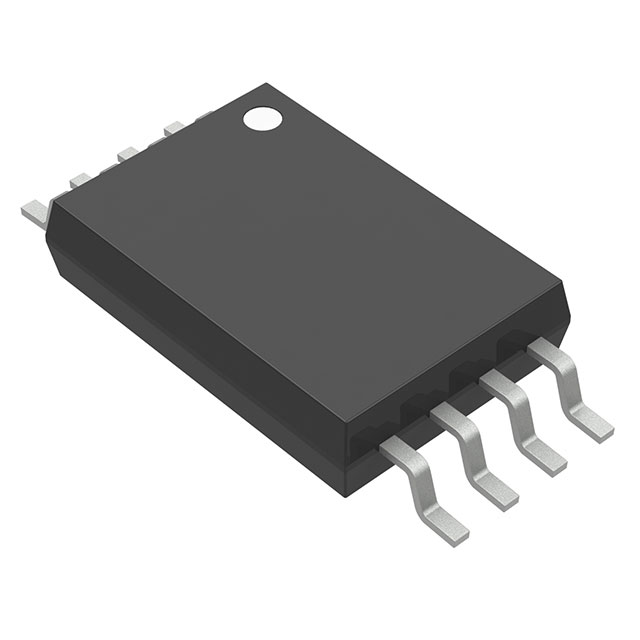
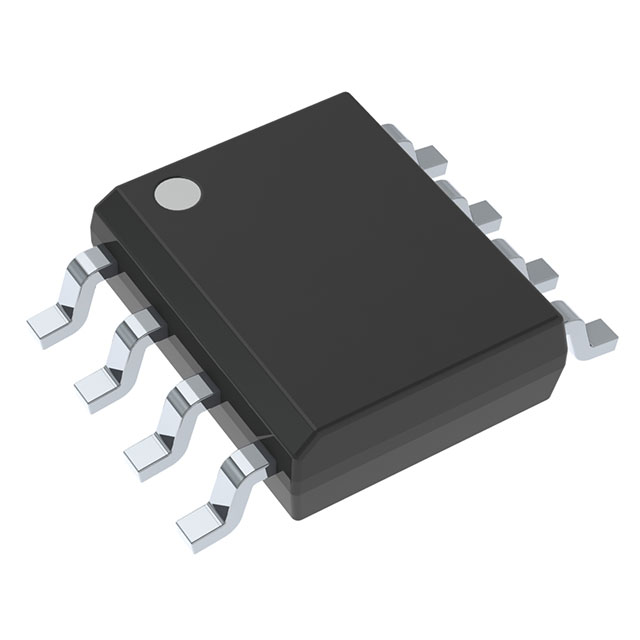
This device operates from a single 2.7-V to 5.5-V power supply, drawing a maximum of 2.4 mA of supply current. Four fixed gains are available: 20 V/V, 50 V/V, 100 V/V, and 200 V/V. The low offset of the zero-drift architecture enables current sensing with maximum drops across the shunt as low as 10-mV full-scale. Grade 1 versions are specified over the extended operating temperature range (–40°C to +125°C) and are offered in an 8-pin TSSOP and 8-pin SOIC packages. Grade 0 versions are specified over the extended operating temperature range (–40°C to +150°C) and are offered in an 8-pin SOIC package.
The INA240 -Q1 device is an automotive-qualified, voltage-output, current-sense amplifier with enhanced PWM rejection that can sense drops across shunt resistors over a wide common-mode voltage range from –4 V to 80 V, independent of the supply voltage. The negative common-mode voltage allows the device to operate below ground, accommodating the flyback period of typical solenoid applications. Enhanced PWM rejection provides high levels of suppression for large common-mode transients (ΔV/Δt) in systems that use pulse width modulation (PWM) signals (such as motor drives and solenoid control systems). This feature allows for accurate current measurements without large transients and associated recovery ripple on the output voltage.
This device operates from a single 2.7-V to 5.5-V power supply, drawing a maximum of 2.4 mA of supply current. Four fixed gains are available: 20 V/V, 50 V/V, 100 V/V, and 200 V/V. The low offset of the zero-drift architecture enables current sensing with maximum drops across the shunt as low as 10-mV full-scale. Grade 1 versions are specified over the extended operating temperature range (–40°C to +125°C) and are offered in an 8-pin TSSOP and 8-pin SOIC packages. Grade 0 versions are specified over the extended operating temperature range (–40°C to +150°C) and are offered in an 8-pin SOIC package.