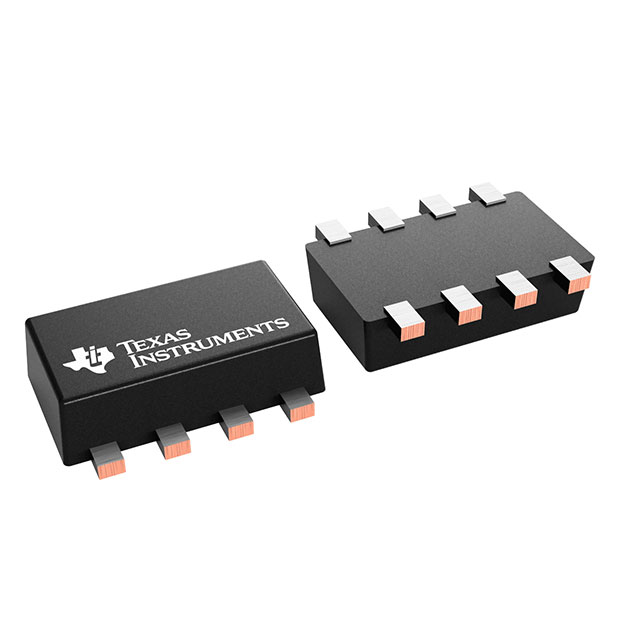
TPS2117 Series
1.6-V to 5.5-V, 20-mΩ, 4-A low IQ power multiplexer with manual and priority switchover
Manufacturer: Texas Instruments
Catalog
1.6-V to 5.5-V, 20-mΩ, 4-A low IQ power multiplexer with manual and priority switchover
Key Features
• Input voltage range: 1.6 V to 5.5 VMaximum continuous current: 4AOn-resistance: 20 mΩ (typical)VIN2 standby current: 50 nA (typical)Quiescent current: 1.32 µA (typical)Switchover modes:Priority modeManual modeDiode modeControlled output slew rate:1.3 ms (typical) at 3.3 VReverse current blocking when VOUT > VINxThermal shutdownInput voltage range: 1.6 V to 5.5 VMaximum continuous current: 4AOn-resistance: 20 mΩ (typical)VIN2 standby current: 50 nA (typical)Quiescent current: 1.32 µA (typical)Switchover modes:Priority modeManual modeDiode modeControlled output slew rate:1.3 ms (typical) at 3.3 VReverse current blocking when VOUT > VINxThermal shutdown
Description
AI
The TPS2117 is a power mux device with a voltage rating of 1.6 V to 5.5 V and a maximum current rating of 4 A. The device uses N-channel MOSFETs to switch between supplies while providing a controlled slew rate when voltage is first applied.
Due to its low quiescent of 1.32 µA (typical) and low standby current of 50 nA (typical), the TPS2117 is ideal for systems where a battery is connected to one of the inputs. These low currents extend the life and operation of the battery when in use.
The TPS2117 can be configured for two different switchover behaviors depending on the application. Automatic priority mode prioritizes the supply connected to VIN1 and switches over to the secondary supply (VIN2) when VIN1 drops. Manual mode allows the user to toggle a GPIO or enable signal to switch between channels.
The TPS2117 is a power mux device with a voltage rating of 1.6 V to 5.5 V and a maximum current rating of 4 A. The device uses N-channel MOSFETs to switch between supplies while providing a controlled slew rate when voltage is first applied.
Due to its low quiescent of 1.32 µA (typical) and low standby current of 50 nA (typical), the TPS2117 is ideal for systems where a battery is connected to one of the inputs. These low currents extend the life and operation of the battery when in use.
The TPS2117 can be configured for two different switchover behaviors depending on the application. Automatic priority mode prioritizes the supply connected to VIN1 and switches over to the secondary supply (VIN2) when VIN1 drops. Manual mode allows the user to toggle a GPIO or enable signal to switch between channels.