Catalog
Bidirectional, Zero Drift, Current Sense Amplifier
Key Features
• Typical 0.1 µV/°C offset drift
• Maximum ±400 µV voltage offset over full temperature range
• 2.7 V to 5.5 V power supply operating range
• Electromagnetic interference (EMI) filters included
• High common-mode input voltage range−2 V to +70 V continuous−3 V to +80 V survival
• −2 V to +70 V continuous
• −3 V to +80 V survival
• Initial gain = 60 V/V
• Wide operating temperature rangeAD8417WB: −40°C to +125°CAD8417WH: −40°C to +150°C
• AD8417WB: −40°C to +125°C
• AD8417WH: −40°C to +150°C
• Bidirectional operation
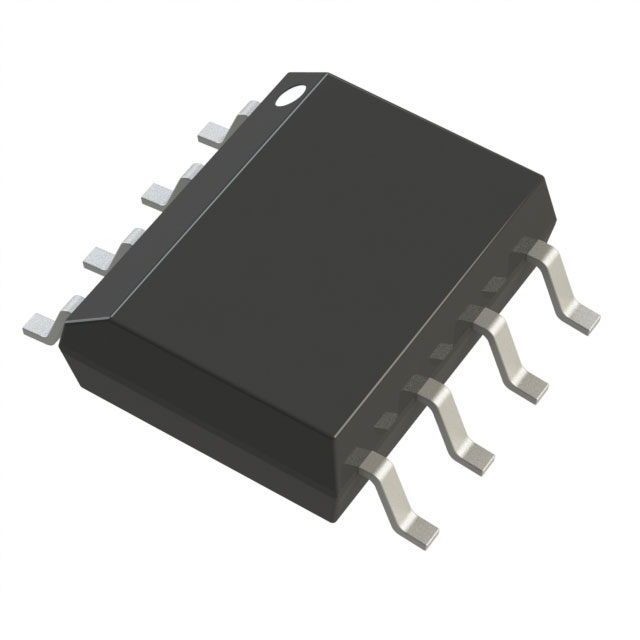
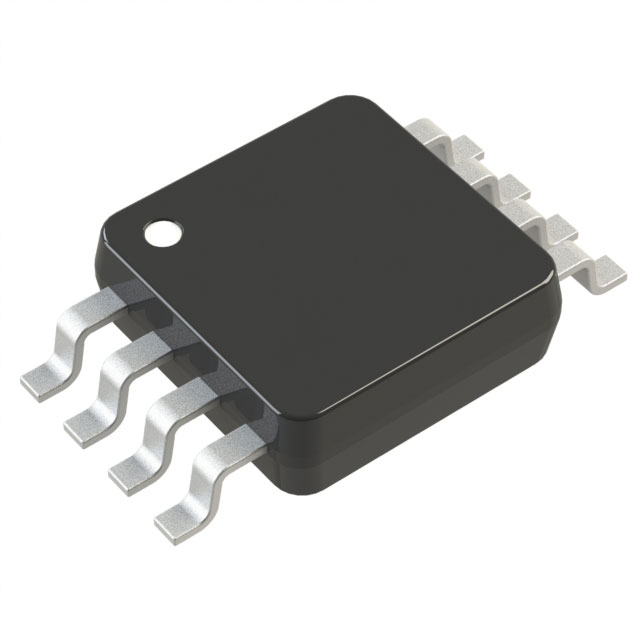
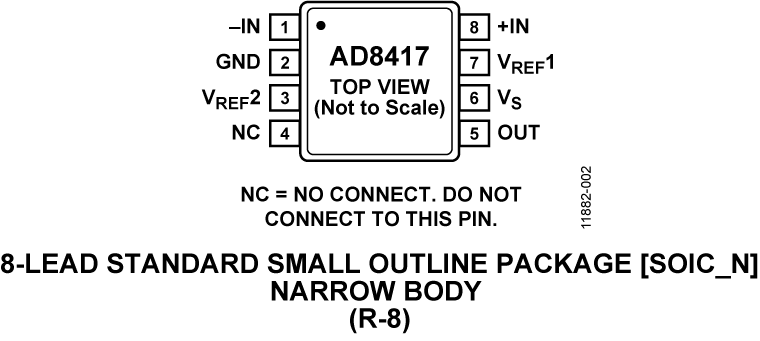
• Available in 8-lead SOIC and 8-lead MSOP
• Common-mode rejection ratio (CMRR): 86 dB, dc to 10 kHz
• Qualified for automotive applications
Description
AI
The AD8417 is a high voltage, high resolution current shunt amplifier. It features an initial gain of 60 V/V, with a maximum ±0.3% gain error over the entire temperature range. The buffered output voltage directly interfaces with any typical converter. The AD8417 offers excellent input common-mode rejection from −2 V to +70 V. The AD8417 performs bidirectional current measurements across a shunt resistor in a variety of automotive and industrial applications, including motor control, power management, and solenoid control.The AD8417 offers breakthrough performance throughout the −40°C to +150°C temperature range. It features a zero drift core, which leads to a typical offset drift of 0.1 µV/°C throughout the operating temperature range and the common-mode voltage range. The AD8417 is qualified for automotive applications. The device includes EMI filters and patented circuitry to enable output accuracy with pulse-width modulation (PWM) type input common-mode voltages. The typical input offset voltage is ±200 µV. The AD8417 is offered in 8-lead MSOP and SOIC packages.ApplicationsHigh-side current sensing inMotor controlsSolenoid controlsPower managementLow-side current sensingDiagnostic protection