AD5173 Series
256-Position, One-Time Programmable, Dual Channel, I2C Digital Potentiometer
Manufacturer: Analog Devices
Catalog
256-Position, One-Time Programmable, Dual Channel, I2C Digital Potentiometer
Key Features
• 2-channel, 256-position potentiometers
• One-time programmable (OTP) set-and-forget resistance setting
• provides a low cost alternative to EEMEM
• Unlimited adjustments before OTP activation
• OTP overwrite allows dynamic adjustments with user defined
• preset
• End-to-end resistance: 2.5 kΩ, 10 kΩ, and 100 kΩ
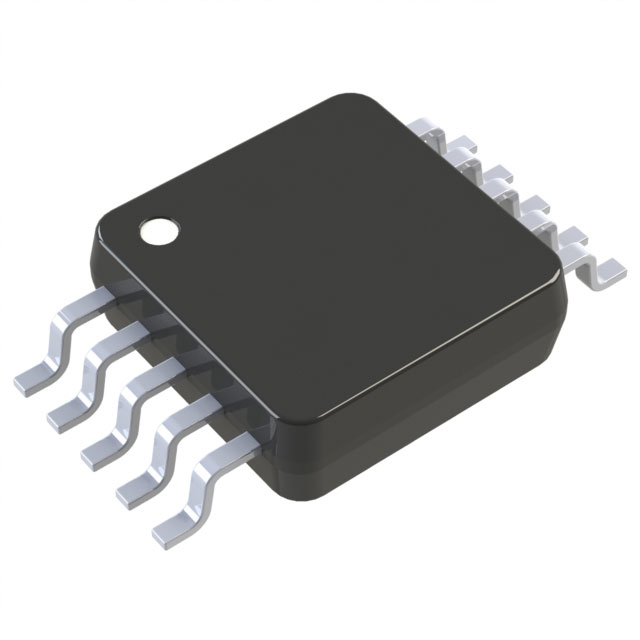
• Compact 10-lead MSOP: 3 mm × 4.9 mm
• Fast settling time: tS = 5 µs typical on power-up
• Full read/write of wiper register
• Power-on preset to midscale
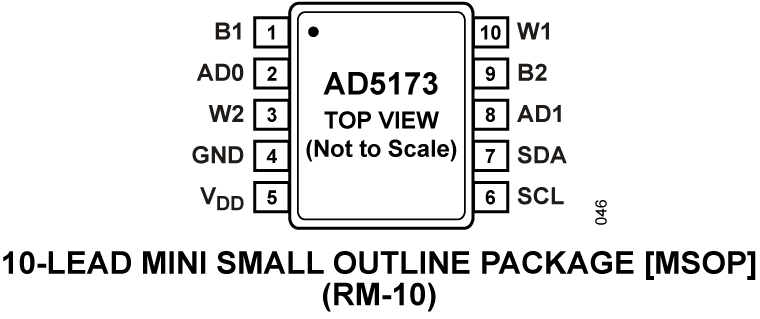
• Extra package address decode pins: AD0 and AD1 (AD5173)
• Single supply: 2.7 V to 5.5 V
• Low temperature coefficient: 35 ppm/°C
• Low power: IDD = 6 µA maximum
• Wide operating temperature: −40°C to +125°C
Description
AI
TheAD5172/ AD5173 are dual-channel, 256-position, one-time programmable (OTP) digital potentiometers that employ fuse link technology to achieve memory retention of resistance settings. The digital potentiometer, VR, and RDAC terms are used interchangeably. OTP is a cost-effective alternative to EEMEM for users who do not need to program the digital potentiometer setting in memory more than once. These devices perform the same electronic adjustment function as mechanical potentiometers or variable resistors but with enhanced resolution, solid-state reliability, and superior low temperature coefficient performance.TheAD5172 / AD5173 are programmed using a 2-wire, I2C-compatible digital interface. Unlimited adjustments are allowed before permanently setting the resistance value. During OTP activation, a permanent blow fuse command freezes the wiper position (analogous to placing epoxy on a mechanical trimmer).Unlike traditional OTP digital potentiometers, the AD5172 / AD5173 have a unique temporary OTP overwrite feature that allows for new adjustments even after a fuse is blown. However, the OTP setting is restored during subsequent power-up conditions. This allows users to treat these digital potentiometers as volatile potentiometers with a programmable preset.APPLICATIONSSystems calibrationElectronics level settingMechanical trimmers replacement in new designsPermanent factory PCB settingTransducer adjustment of pressure, temperature, position, chemical, and optical sensorsRF amplifier biasingGain control and offset adjustment