AD8250 Series
10 MHzG = 1, 2, 5, 10iCMOS® Programmable Gain Instrumentation Amplifier
Manufacturer: Analog Devices
Catalog
10 MHzG = 1, 2, 5, 10iCMOS® Programmable Gain Instrumentation Amplifier
Key Features
• Small package: 10-lead MSOP
• Programmable gains: 1, 2, 5, 10
• Digital or pin-programmable gain setting
• Wide supply: ±5 V to ±15 V
• Excellent dc performanceHigh CMRR 98 dB (min), G = 10Low gain drift: 10 ppm/°C (max)Low offset drift: 1.7 μV/°C (max), G = 10
• Excellent ac performanceFast settling time: 615 ns to 0.001% (max)High slew rate: 20 V/μs (min)Low distortion: −110 dB THD at 1 kHzHigh CMRR over frequency: 80 dB to 50 kHz (min)Low noise: 18 nV/√Hz, G = 10 (max) Low power: 4 mA
Description
AI
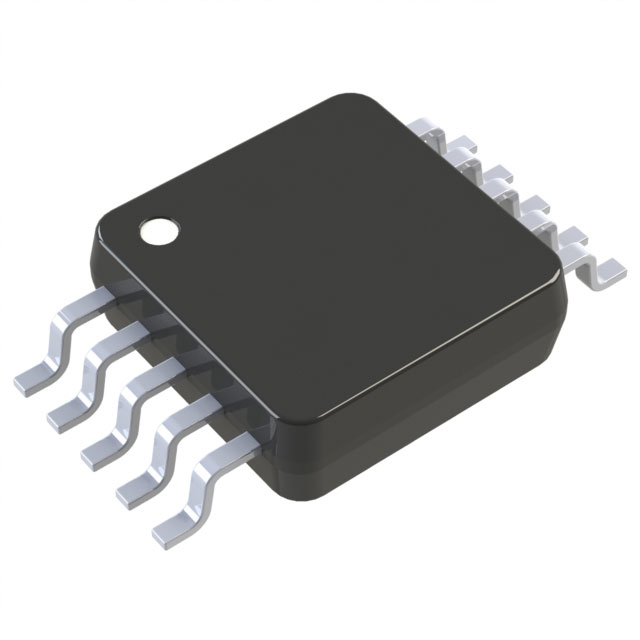
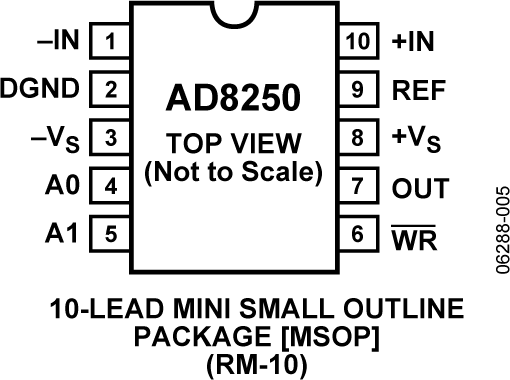
The AD8250 is an instrumentation amplifier with digitally programmable gains that has GΩ input impedance, low output noise, and low distortion making it suitable for interfacing with sensors and driving high sample rate analog-to-digital converters (ADCs). It has a high bandwidth of 10 MHz, low THD of −110 dB and fast settling time of 615 ns (maximum) to 0.001%. Offset drift and gain drift are guaranteed to 1.7 μV/°C and 10 ppm/°C, respectively, for G = 10. In addition to its wide input common voltage range, it boasts a high common-mode rejection of 80 dB at G = 1 from dc to 50 kHz. The combination of precision dc performance coupled with high speed capabilities makes the AD8250 an excellent candidate for data acquisition. Furthermore, this monolithic solution simplifies design and manufacturing and boosts performance of instrumentation by maintaining a tight match of internal resistors and amplifiers.The AD8250 user interface consists of a parallel port that allows users to set the gain in one of two ways (see Figure 1). A 2-bit word sent via a bus can be latched using theWRinput. An alternative is to use the transparent gain mode where the state of the logic levels at the gain port determines the gain.The AD8250 is available in a 10-lead MSOP package and is specified over the −40°C to +85°C temperature range, making it an excellent solution for applications where size and packing density are important considerations.ApplicationsData acquisitionBiomedical analysisTest and measurement