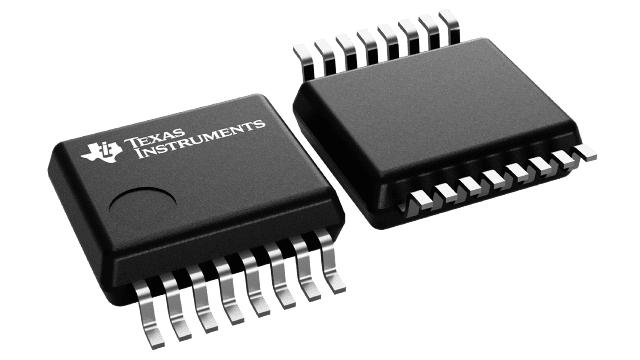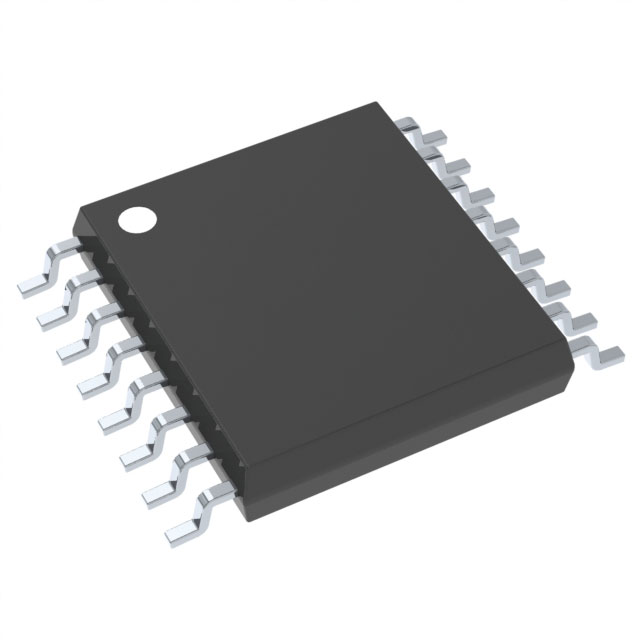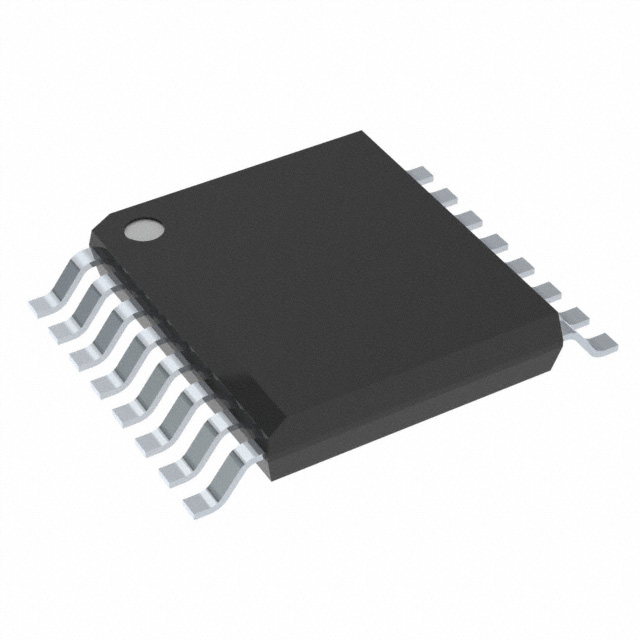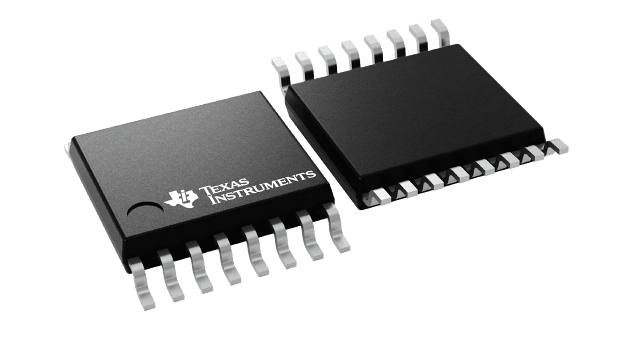
SN74AHCT138Q-Q1 Series
Automotive Catalog 3-Line to 8-Line Decoders/Demultiplexers
Manufacturer: Texas Instruments
Catalog
Automotive Catalog 3-Line to 8-Line Decoders/Demultiplexers
Key Features
• Controlled BaselineOne Assembly/Test Site, One Fabrication SiteExtended Temperature Performance of –55°C to 125°CEnhanced Diminishing Manufacturing Sources (DMS) SupportEnhanced Product-Change NotificationQualification PedigreeEPIC™ (Enhanced-Performance Implanted CMOS) ProcessInputs Are TTL-Voltage CompatibleDesigned Specifically for High-Speed Memory Decoders and Data-Transmission SystemsIncorporates Three Enable Inputs to Simplify Cascading and/or Data ReceptionLatch-Up Performance Exceeds 250 mA Per JESD 17ESD Protection Exceeds 2000 V Per MIL-STD-833, Method 3015; Exceeds 200 V Using Machine Model (C = 200 pF, R = 0)Component qualification in accordance with JEDEC and industry standards to ensure reliable operation over an extended temperature range. This includes, but is not limited to, Highly Accelerated Stress Test (HAST) or biased 85/85, temperature cycle, autoclave or unbiased HAST, electromigration, bond intermetallic life, and mold compound life. Such qualification testing should not be viewed as justifying use of this component beyond specified performance and environmental limits.EPIC is a trademark of Texas Instruments.Controlled BaselineOne Assembly/Test Site, One Fabrication SiteExtended Temperature Performance of –55°C to 125°CEnhanced Diminishing Manufacturing Sources (DMS) SupportEnhanced Product-Change NotificationQualification PedigreeEPIC™ (Enhanced-Performance Implanted CMOS) ProcessInputs Are TTL-Voltage CompatibleDesigned Specifically for High-Speed Memory Decoders and Data-Transmission SystemsIncorporates Three Enable Inputs to Simplify Cascading and/or Data ReceptionLatch-Up Performance Exceeds 250 mA Per JESD 17ESD Protection Exceeds 2000 V Per MIL-STD-833, Method 3015; Exceeds 200 V Using Machine Model (C = 200 pF, R = 0)Component qualification in accordance with JEDEC and industry standards to ensure reliable operation over an extended temperature range. This includes, but is not limited to, Highly Accelerated Stress Test (HAST) or biased 85/85, temperature cycle, autoclave or unbiased HAST, electromigration, bond intermetallic life, and mold compound life. Such qualification testing should not be viewed as justifying use of this component beyond specified performance and environmental limits.EPIC is a trademark of Texas Instruments.
Description
AI
The SN74AHCT138 3-line to 8-line decoder/demultiplexer is designed to be used in high-performance memory-decoding and data-routing applications that require very short propagation-delay times. In high-performance memory systems, this decoder can be used to minimize the effects of system decoding. When employed with high-speed memories utilizing a fast enable circuit, the delay times of this decoder and the enable time of the memory usually are less than the typical access time of the memory. This means that the effective system delay introduced by the decoder is negligible.
The conditions at the binary-select inputs and the three enable inputs select one of eight output lines. Two active-low and one active-high enable inputs reduce the need for external gates or inverters when expanding. A 24-line decoder can be implemented without external inverters and a 32-line decoder requires only one inverter. An enable input can be used as a data input for demultiplexing applications.
The SN74AHCT138 3-line to 8-line decoder/demultiplexer is designed to be used in high-performance memory-decoding and data-routing applications that require very short propagation-delay times. In high-performance memory systems, this decoder can be used to minimize the effects of system decoding. When employed with high-speed memories utilizing a fast enable circuit, the delay times of this decoder and the enable time of the memory usually are less than the typical access time of the memory. This means that the effective system delay introduced by the decoder is negligible.
The conditions at the binary-select inputs and the three enable inputs select one of eight output lines. Two active-low and one active-high enable inputs reduce the need for external gates or inverters when expanding. A 24-line decoder can be implemented without external inverters and a 32-line decoder requires only one inverter. An enable input can be used as a data input for demultiplexing applications.