ADCMP343 Series
Dual 0.275% Comparator and Reference with Programmable Hysteresis
Manufacturer: Analog Devices
Catalog
Dual 0.275% Comparator and Reference with Programmable Hysteresis
Key Features
• 400 mV ± 0.275% threshold
• User programmable hysteresis via resistor string
• Supply range: 1.7 V to 5.5 V
• Low quiescent current: 6.5 μA typical
• Input range includes ground
• Low input bias current: ±5 nA maximum
• Open-drain outputs
• Supports wired-AND connections
• Input polarities:ADCMP341 noninvertingADCMP343 inverting
• Small SOT-23 package
Description
AI
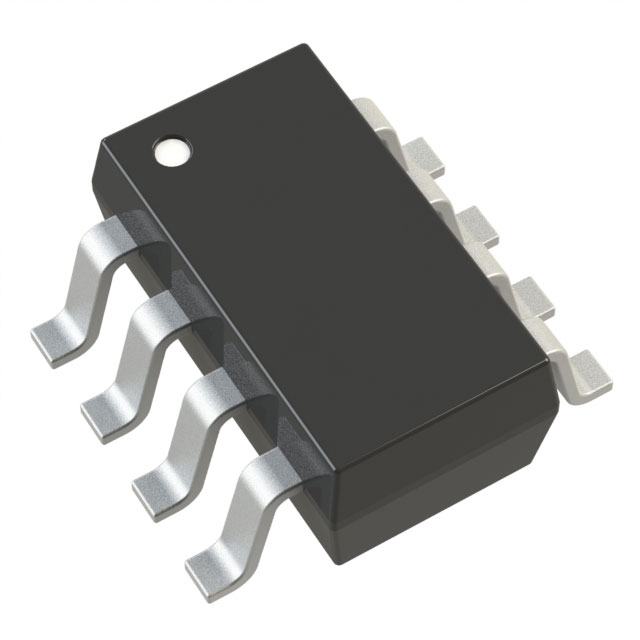
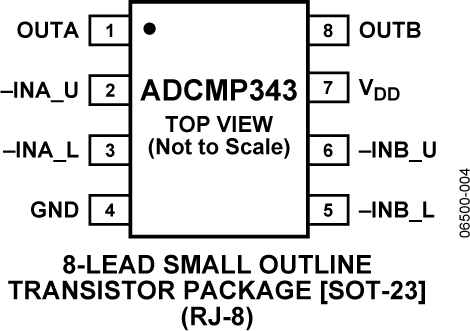
TheADCMP341/ ADCMP343 consist of two low power, high accuracy comparators with a 400 mV reference in an 8-lead SOT-23 package. Operating within a supply range of 1.7 V to 5.5 V, the devices only draw 6.5 μA (typical), making them ideal for low voltage system monitoring and portable applications.Hysteresis is determined using three resistors in a string configuration with the upper and lower tap points connected to the ±INA_U and ±INA_L pins of each comparator, respectively. The state of the outputs of the comparators selects which pin is internally connected to the comparators input. Therefore, a change of state in the comparators output results in one of the inputs being switched in to the comparator and the other being switched out. This provides the user with a fully flexible and accurate method of setting the hysteresis. One input of each comparator is internally connected to the reference. The other input is available externally, via an internal mux, through pins ±INA_U or ±INA_L. The state of the output determines which of these pins is connected at any one time.The comparator outputs are open-drain with the output stage sinking capability guaranteed greater than 5 mA over temperature. The ADCMP341 has noninverting inputs and the ADCMP343 has inverting inputs. The devices are suitable for portable, commercial, industrial, and automotive applications.APPLICATIONSPortable applicationsLi-Ion monitoringHandheld instrumentsLED/relay drivingOptoisolator drivingControl systems