74VHCT374AMX
ObsoleteOCTAL D-TYPE FLIP-FLOP WITH 3-STATE OUTPUTS
Deep-Dive with AI
Search across all available documentation for this part.
74VHCT374AMX
ObsoleteOCTAL D-TYPE FLIP-FLOP WITH 3-STATE OUTPUTS
Deep-Dive with AI
Technical Specifications
Parameters and characteristics for this part
| Specification | 74VHCT374AMX |
|---|---|
| Clock Frequency | 130 MHz |
| Current - Output High, Low [custom] | 8 mA |
| Current - Output High, Low [custom] | 8 mA |
| Current - Quiescent (Iq) | 4 çA |
| Function | Standard |
| Input Capacitance | 4 pF |
| Max Propagation Delay @ V, Max CL | 10.4 ns |
| Mounting Type | Surface Mount |
| Number of Bits per Element | 8 |
| Number of Elements | 1 |
| Operating Temperature [Max] | 85 °C |
| Operating Temperature [Min] | -40 °C |
| Output Type | Tri-State, Non-Inverted |
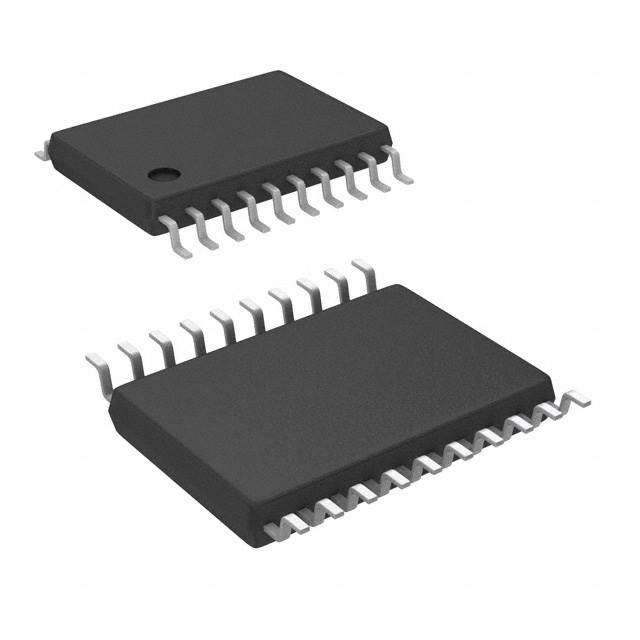
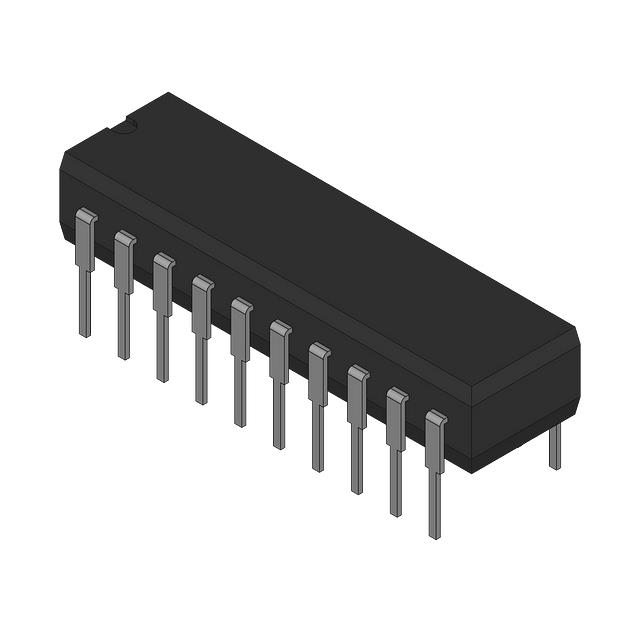
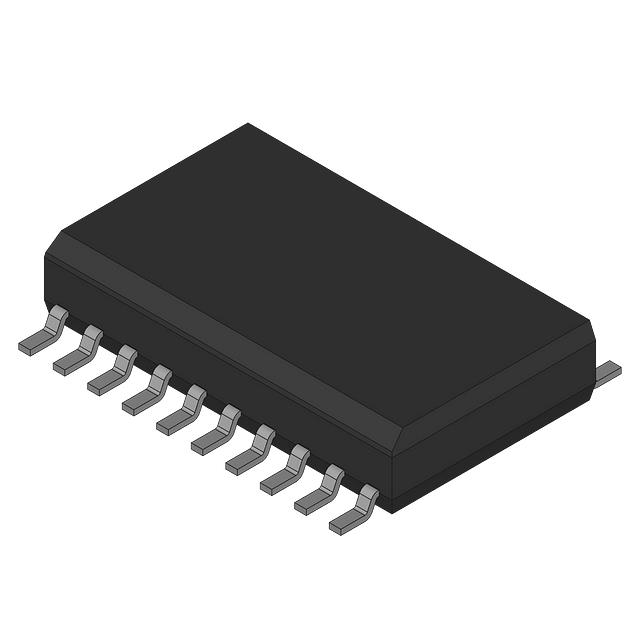
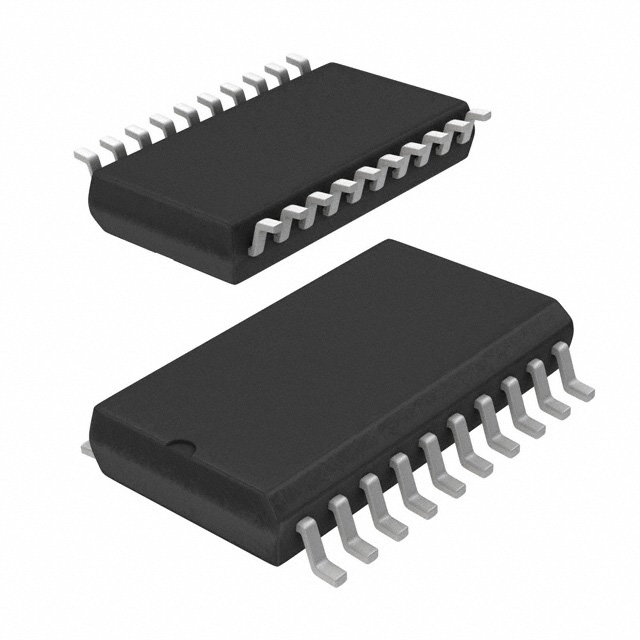
| Package / Case | 20-SOIC |
| Package / Case [y] | 0.295 in |
| Package / Case [y] | 7.5 mm |
| Supplier Device Package | 20-SOIC |
| Trigger Type | Positive Edge |
| Type | D-Type |
| Voltage - Supply [Max] | 5.5 V |
| Voltage - Supply [Min] | 4.5 V |
Pricing
Prices provided here are for design reference only. For realtime values and availability, please visit the distributors directly
| Distributor | Package | Quantity | $ | |
|---|---|---|---|---|
| Digikey | Bulk | 767 | $ 0.39 | |
| 767 | $ 0.39 | |||
Description
General part information
74VHCT374A Series
The VHCT374A is an advanced high speed CMOS octal flip-flop with 3-STATE output fabricated with silicon gate CMOS technology. It achieves the high speed operation similar to equivalent Bipolar Schottky TTL while maintaining the CMOS low power dissipation. This 8-bit D-type flip-flop is controlled by a clock input (CP) and an output enable input (OE#). When the OE# input is HIGH, the eight outputs are in a high impedance state. Protection circuits ensure that 0V to 7V can be applied to the input and output (Note 1) pins without regard to the supply voltage. This device can be used to interface 3V to 5V systems and two supply systems such as battery back up. This circuit prevents device destruction due to mismatched supply and input voltages.
Documents
Technical documentation and resources