SN74AUC1G80DBVR
ActiveSINGLE POSITIVE-EDGE-TRIGGERED D-TYPE FLIP-FLOP
Deep-Dive with AI
Search across all available documentation for this part.
SN74AUC1G80DBVR
ActiveSINGLE POSITIVE-EDGE-TRIGGERED D-TYPE FLIP-FLOP
Technical Specifications
Parameters and characteristics for this part
| Specification | SN74AUC1G80DBVR |
|---|---|
| Clock Frequency | 275 MHz |
| Current - Output High, Low [custom] | 9 mA |
| Current - Output High, Low [custom] | 9 mA |
| Current - Quiescent (Iq) | 10 µA |
| Function | Standard |
| Input Capacitance | 2.5 pF |
| Max Propagation Delay @ V, Max CL [Max] | 1.8 ns |
| Mounting Type | Surface Mount |
| Number of Bits per Element | 1 |
| Number of Elements | 1 |
| Operating Temperature [Max] | 85 °C |
| Operating Temperature [Min] | -40 °C |
| Output Type | 1.81 mOhm |
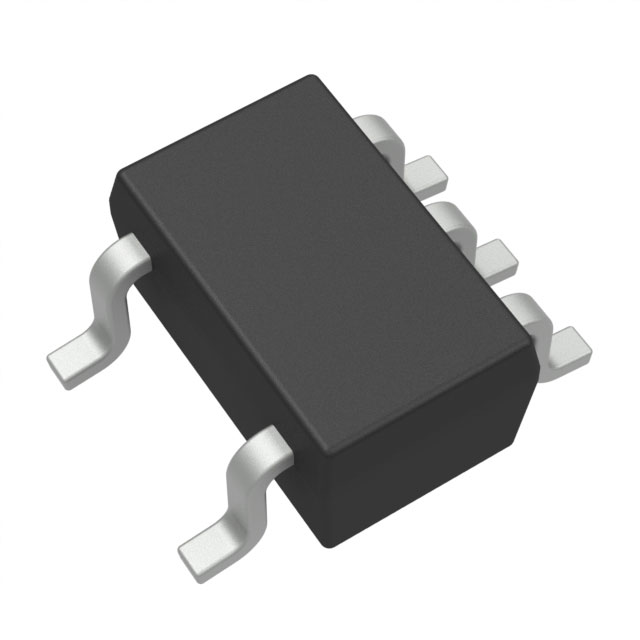
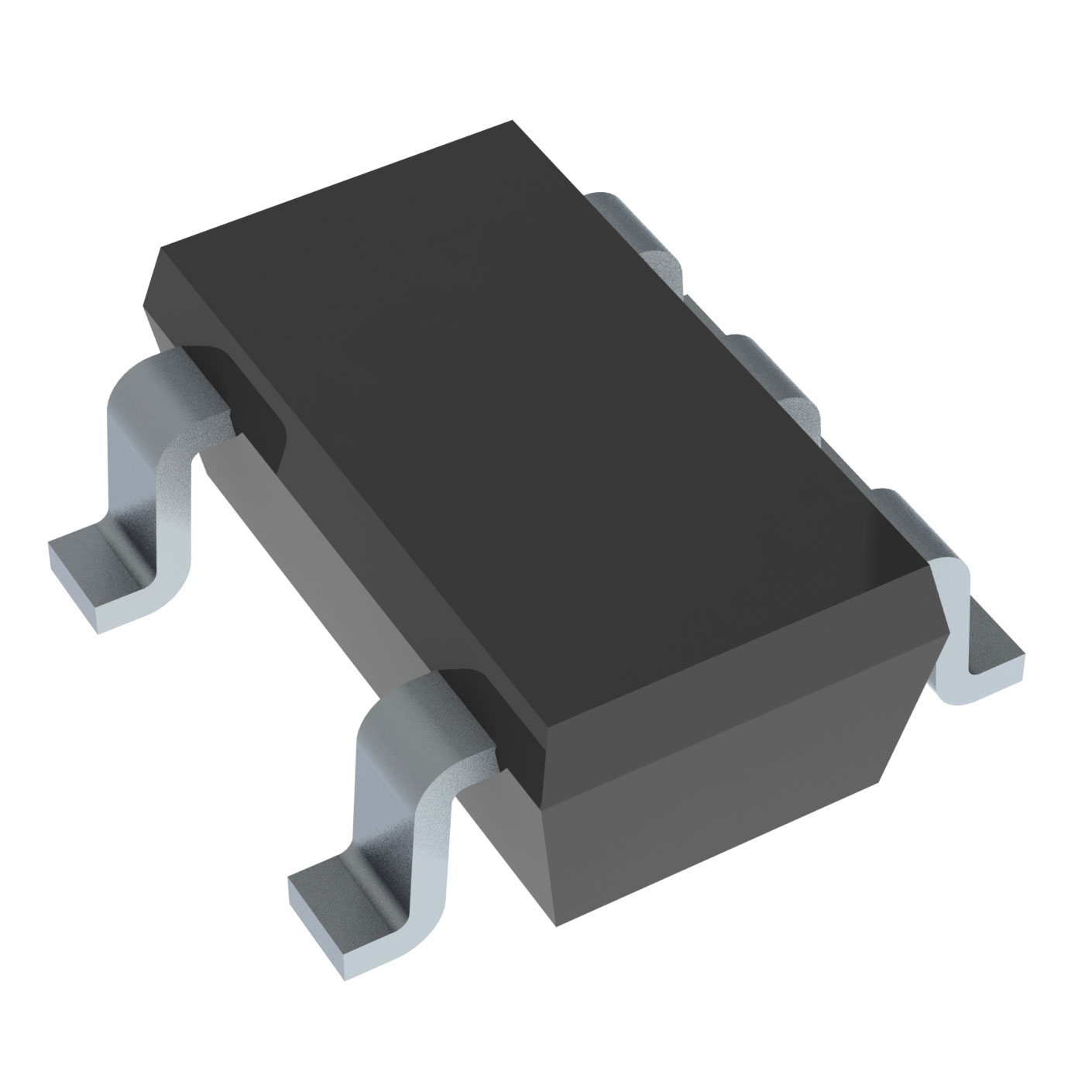
| Package / Case | SC-74A, SOT-753 |
| Supplier Device Package | SOT-23-5 |
| Trigger Type | Positive Edge |
| Type | D-Type |
| Voltage - Supply [Max] | 2.7 V |
| Voltage - Supply [Min] | 0.8 V |
Pricing
Prices provided here are for design reference only. For realtime values and availability, please visit the distributors directly
| Distributor | Package | Quantity | $ | |
|---|---|---|---|---|
| Digikey | Cut Tape (CT) | 1 | $ 0.47 | |
| 10 | $ 0.40 | |||
| 25 | $ 0.37 | |||
| 100 | $ 0.30 | |||
| 250 | $ 0.28 | |||
| 500 | $ 0.24 | |||
| 1000 | $ 0.18 | |||
| Digi-Reel® | 1 | $ 0.47 | ||
| 10 | $ 0.40 | |||
| 25 | $ 0.37 | |||
| 100 | $ 0.30 | |||
| 250 | $ 0.28 | |||
| 500 | $ 0.24 | |||
| 1000 | $ 0.18 | |||
| Tape & Reel (TR) | 3000 | $ 0.07 | ||
| 6000 | $ 0.07 | |||
| Texas Instruments | LARGE T&R | 1 | $ 0.17 | |
| 100 | $ 0.11 | |||
| 250 | $ 0.09 | |||
| 1000 | $ 0.06 | |||
Description
General part information
SN74AUC1G80 Series
This single positive-edge-triggered D-type flip-flop is operational at 0.8-V to 2.7-V VCC, but is designed specifically for 1.65-V to 1.95-V VCCoperation.
When data at the data (D) input meets the setup time requirement, the data is transferred to theQoutput on the positive-going edge of the clock pulse. Clock triggering occurs at a voltage level and is not directly related to the rise time of the clock pulse. Following the hold-time interval, data at the D input can be changed without affecting the levels at the outputs.
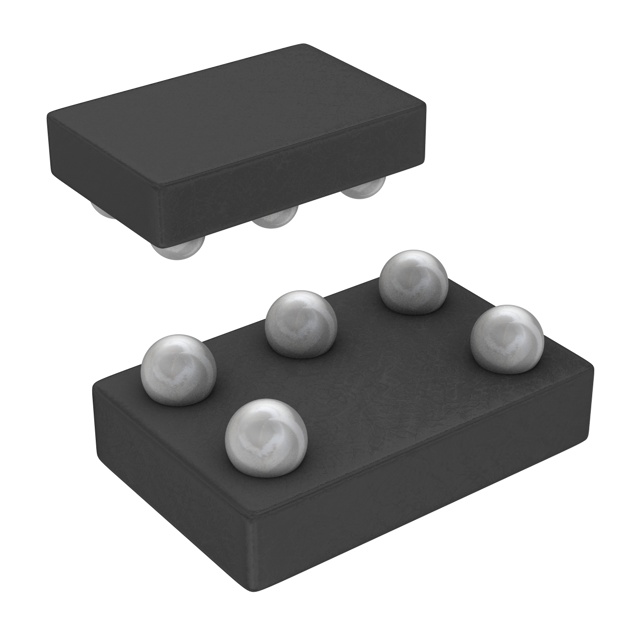
NanoFree™ package technology is a major breakthrough in IC packaging concepts, using the die as the package.
Documents
Technical documentation and resources