INA106U
ObsoletePRECISION FIXED-GAIN DIFFERENTIAL AMPLIFIER
Deep-Dive with AI
Search across all available documentation for this part.
INA106U
ObsoletePRECISION FIXED-GAIN DIFFERENTIAL AMPLIFIER
Technical Specifications
Parameters and characteristics for this part
| Specification | INA106U |
|---|---|
| -3db Bandwidth | 1 MHz |
| Amplifier Type | Differential |
| Current - Output / Channel | 20 mA |
| Current - Supply | 1.5 mA |
| Mounting Type | Surface Mount |
| Number of Circuits | 1 |
| Operating Temperature [Max] | 70 °C |
| Operating Temperature [Min] | 0 °C |
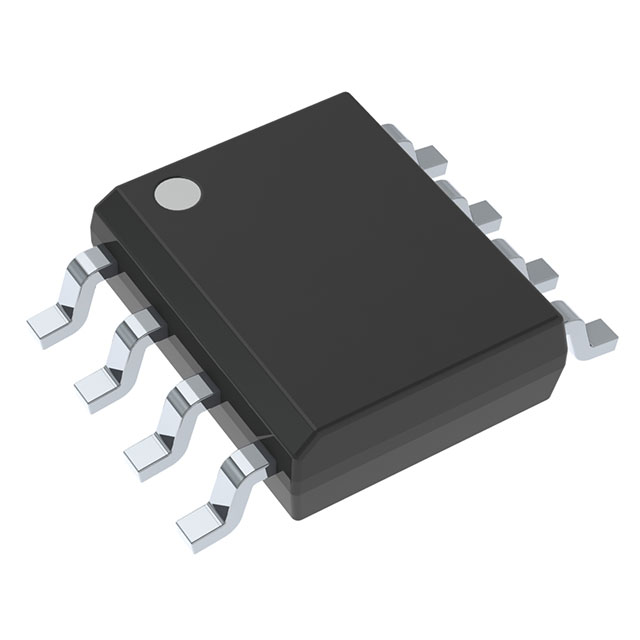
| Package / Case | 8-SOIC |
| Package / Case [x] | 0.154 in |
| Package / Case [y] | 3.9 mm |
| Slew Rate | 3 V/µs |
| Supplier Device Package | 8-SOIC |
| Voltage - Input Offset | 50 µV |
| Voltage - Supply Span (Max) [Max] | 36 V |
| Voltage - Supply Span (Min) [Min] | 10 V |
Pricing
Prices provided here are for design reference only. For realtime values and availability, please visit the distributors directly
| Distributor | Package | Quantity | $ | |
|---|---|---|---|---|
| Digikey | Tube | 1 | $ 17.88 | |
| 10 | $ 12.90 | |||
| 75 | $ 10.45 | |||
| Texas Instruments | TUBE | 1 | $ 12.06 | |
| 100 | $ 10.54 | |||
| 250 | $ 8.12 | |||
| 1000 | $ 7.27 | |||
Description
General part information
INA106 Series
The INA106 is a monolithic gain = 10 differential amplifier consisting of a precision operational amplifier (op amp) and on-chip metal film resistors. The resistors are laser trimmed for accurate gain and high common-mode rejection. Excellent tracking of resistors (TCR) maintains gain accuracy and common-mode rejection over temperature.
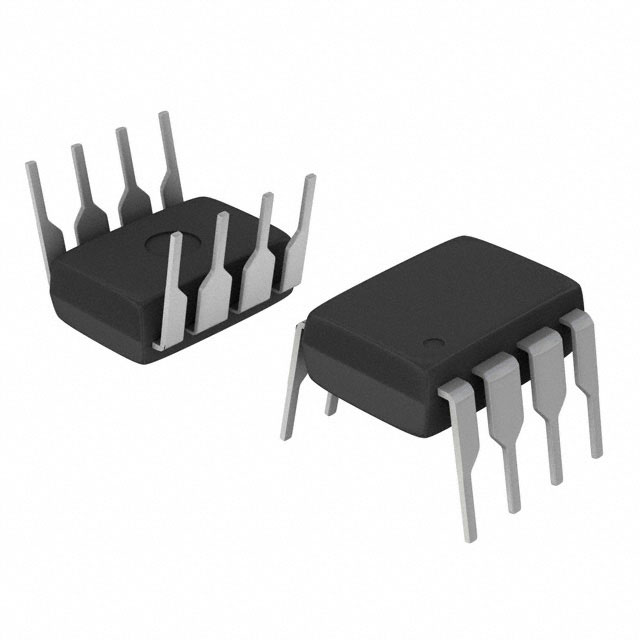
The differential amplifier is the foundation of many commonly used circuits. The INA106 provides this precision circuit function without using an expensive resistor network. The INA106 is available in 8-pin plastic DIP and SOIC surface-mount packages.
The INA106 is a monolithic gain = 10 differential amplifier consisting of a precision operational amplifier (op amp) and on-chip metal film resistors. The resistors are laser trimmed for accurate gain and high common-mode rejection. Excellent tracking of resistors (TCR) maintains gain accuracy and common-mode rejection over temperature.
Documents
Technical documentation and resources