TCAN337GD
Active3.3-V CAN TRANSCEIVERS WITH CAN FD (FLEXIBLE DATA RATE)
Deep-Dive with AI
Search across all available documentation for this part.
TCAN337GD
Active3.3-V CAN TRANSCEIVERS WITH CAN FD (FLEXIBLE DATA RATE)
Technical Specifications
Parameters and characteristics for this part
| Specification | TCAN337GD |
|---|---|
| Data Rate | 5 MBd |
| Mounting Type | Surface Mount |
| Operating Temperature [Max] | 125 °C |
| Operating Temperature [Min] | -40 °C |
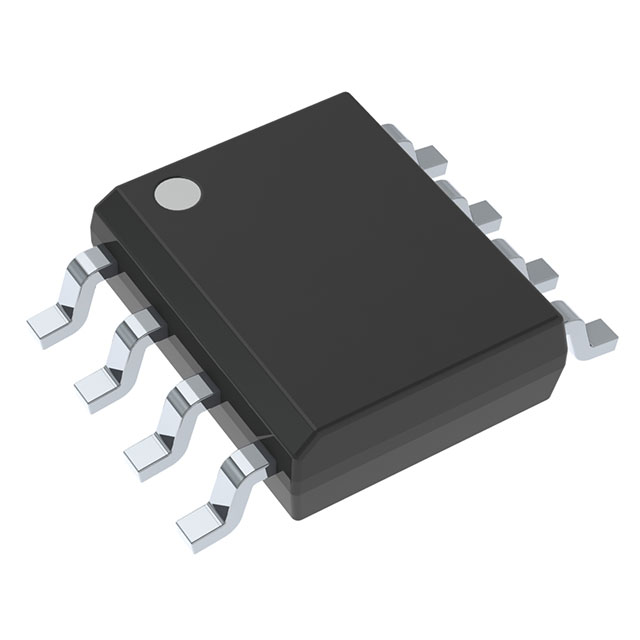
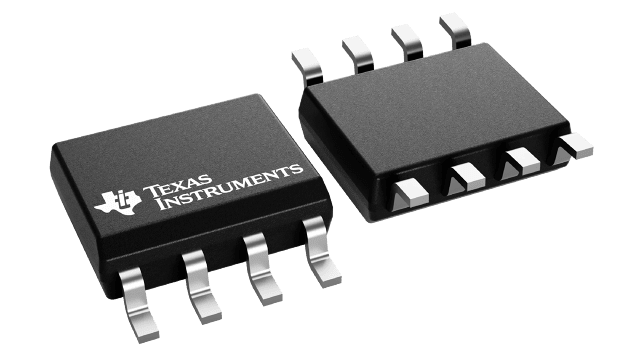
| Package / Case | 8-SOIC |
| Package / Case [x] | 0.154 in |
| Package / Case [y] | 3.9 mm |
| Protocol | CANbus |
| Receiver Hysteresis | 120 mV |
| Supplier Device Package | 8-SOIC |
| Type | Transceiver |
| Voltage - Supply [Max] | 3.6 V |
| Voltage - Supply [Min] | 3 V |
Pricing
Prices provided here are for design reference only. For realtime values and availability, please visit the distributors directly
| Distributor | Package | Quantity | $ | |
|---|---|---|---|---|
| Digikey | Tube | 1 | $ 3.06 | |
| 10 | $ 2.75 | |||
| 75 | $ 2.60 | |||
| 150 | $ 2.26 | |||
| 300 | $ 2.14 | |||
| 525 | $ 1.92 | |||
| 1050 | $ 1.62 | |||
| 2550 | $ 1.54 | |||
| 5025 | $ 1.48 | |||
| Texas Instruments | TUBE | 1 | $ 2.56 | |
| 100 | $ 2.12 | |||
| 250 | $ 1.52 | |||
| 1000 | $ 1.15 | |||
Description
General part information
TCAN337G Series
The TCAN33x family of devices is compatible with the ISO 11898 High Speed CAN (Controller Area Network) Physical Layer standard. TCAN330, TCAN332, TCAN334 and TCAN337 are specified for data rates up to 1 Mbps. Pending the release of the updated version of ISO 11898-2 including CAN FD, additional timing parameters defining loop delay symmetry are specified for the TCAN330G, TCAN332G, TCAN334G and TCAN337G devices. The devices include many protection features including driver and receiver Dominant Time Out (DTO) providing CAN network robustness. Integrated 12 kV IEC-61000-4-2 ESD Contact Discharge protection eliminates the need of additional components for system level robustness.
The use of single 3.3-V supply enables the transceivers to directly interface with 3.3-V CAN controllers/MCUs. In addition, these devices are fully compatible with other 5-V CAN transceivers on the same bus.
These devices have excellent EMC performance due to matched Dominant and Recessive Common Modes. Ultra low power Shutdown and Standby modes make these devices attractive for battery powered applications.
Documents
Technical documentation and resources