OPA552FA/500
ActiveHIGH-CURRENT (380MA TYP), HIGH-VOLTAGE (60V), WIDE BANDWIDTH (12MHZ), OPERATIONAL AMPLIFIER
Deep-Dive with AI
Search across all available documentation for this part.
OPA552FA/500
ActiveHIGH-CURRENT (380MA TYP), HIGH-VOLTAGE (60V), WIDE BANDWIDTH (12MHZ), OPERATIONAL AMPLIFIER
Technical Specifications
Parameters and characteristics for this part
| Specification | OPA552FA/500 |
|---|---|
| Amplifier Type | General Purpose |
| Current - Input Bias | 20 pA |
| Current - Output / Channel [custom] | 200 mA |
| Current - Supply | 7 mA |
| Gain Bandwidth Product | 12 MHz |
| Mounting Type | Surface Mount |
| Number of Circuits | 1 |
| Operating Temperature [Max] | 125 °C |
| Operating Temperature [Min] | -40 °C |
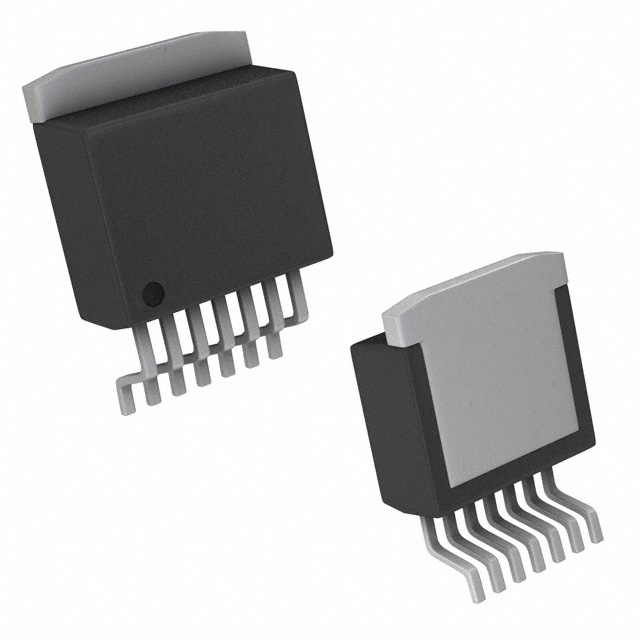
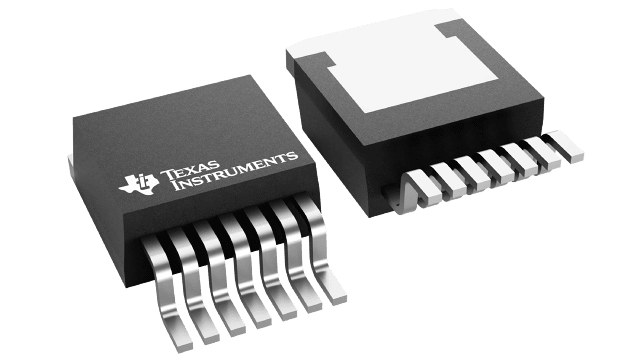
| Package / Case | D2PAK (7 Leads + Tab), TO-263-8, TO-263CA |
| Slew Rate | 24 V/µs |
| Supplier Device Package | TO-263 (DDPAK-7) |
| Voltage - Input Offset | 1 mV |
| Voltage - Supply Span (Min) [Min] | 8 V |
Pricing
Prices provided here are for design reference only. For realtime values and availability, please visit the distributors directly
| Distributor | Package | Quantity | $ | |
|---|---|---|---|---|
| Digikey | Cut Tape (CT) | 1 | $ 7.33 | |
| 10 | $ 6.62 | |||
| 25 | $ 6.31 | |||
| 100 | $ 5.48 | |||
| 250 | $ 5.24 | |||
| Digi-Reel® | 1 | $ 7.33 | ||
| 10 | $ 6.62 | |||
| 25 | $ 6.31 | |||
| 100 | $ 5.48 | |||
| 250 | $ 5.24 | |||
| Tape & Reel (TR) | 500 | $ 4.77 | ||
| 1000 | $ 4.16 | |||
| Texas Instruments | LARGE T&R | 1 | $ 6.16 | |
| 100 | $ 5.40 | |||
| 250 | $ 3.78 | |||
| 1000 | $ 3.05 | |||
Description
General part information
OPA552 Series
The OPA551x devices are low-cost operational amplifiers with high-voltage (60-V) and high-current (200-mA) capability.
The OPA551 is unity-gain stable and features high slew rate (15 V/µs) and wide bandwidth (3 MHz). The OPA552 is optimized for gains of 5 or greater, and offers higher speed with a slew rate of 24 V/µs and a bandwidth of 12 MHz. Both devices are suitable for telephony, audio, servo, and test applications.
These laser-trimmed, monolithic integrated circuits provide excellent low-level accuracy along with high output swing. High performance is maintained as the amplifier swings to its specified limits.