CD74HCT245M96
ActiveHIGH SPEED CMOS LOGIC NON-INVERTING OCTAL-BUS TRANSCEIVER WITH 3-STATE OUTPUS
Deep-Dive with AI
Search across all available documentation for this part.
CD74HCT245M96
ActiveHIGH SPEED CMOS LOGIC NON-INVERTING OCTAL-BUS TRANSCEIVER WITH 3-STATE OUTPUS
Technical Specifications
Parameters and characteristics for this part
| Specification | CD74HCT245M96 |
|---|---|
| Current - Output High, Low [custom] | 4 mA |
| Current - Output High, Low [custom] | 4 mA |
| Mounting Type | Surface Mount |
| Number of Bits per Element | 8 |
| Number of Elements | 1 |
| Operating Temperature [Max] | 125 °C |
| Operating Temperature [Min] | -55 °C |
| Output Type | 3-State |
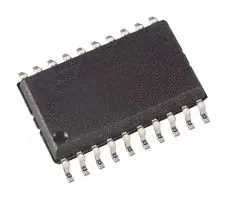
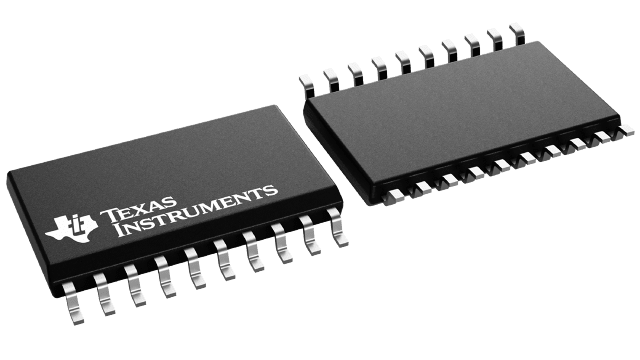
| Package / Case | 20-SOIC |
| Package / Case [y] | 0.295 in |
| Package / Case [y] | 7.5 mm |
| Supplier Device Package | 20-SOIC |
| Voltage - Supply [Max] | 5.5 V |
| Voltage - Supply [Min] | 4.5 V |
Pricing
Prices provided here are for design reference only. For realtime values and availability, please visit the distributors directly
| Distributor | Package | Quantity | $ | |
|---|---|---|---|---|
| Digikey | Cut Tape (CT) | 1 | $ 0.79 | |
| 10 | $ 0.69 | |||
| 25 | $ 0.65 | |||
| 100 | $ 0.53 | |||
| 250 | $ 0.49 | |||
| 500 | $ 0.42 | |||
| 1000 | $ 0.34 | |||
| Digi-Reel® | 1 | $ 0.79 | ||
| 10 | $ 0.69 | |||
| 25 | $ 0.65 | |||
| 100 | $ 0.53 | |||
| 250 | $ 0.49 | |||
| 500 | $ 0.42 | |||
| 1000 | $ 0.34 | |||
| Tape & Reel (TR) | 2000 | $ 0.30 | ||
| 4000 | $ 0.32 | |||
| 6000 | $ 0.28 | |||
| 10000 | $ 0.27 | |||
| 14000 | $ 0.31 | |||
| 20000 | $ 0.31 | |||
| Texas Instruments | LARGE T&R | 1 | $ 0.57 | |
| 100 | $ 0.43 | |||
| 250 | $ 0.32 | |||
| 1000 | $ 0.23 | |||
Description
General part information
SN74HCT245A Series
The SNx4HCT245 octal bus transceivers are designed for asynchronous two-way communication between data buses. The control-function implementation minimizes external timing requirements.
The SNx4HCT245 devices allow data transmission from the A bus to the B bus or from the B bus to the A bus, depending upon the logic level at the direction-control (DIR) input. The output-enable (OE) input can be used to disable the device so that the buses are effectively isolated.
The SNx4HCT245 octal bus transceivers are designed for asynchronous two-way communication between data buses. The control-function implementation minimizes external timing requirements.
Documents
Technical documentation and resources