


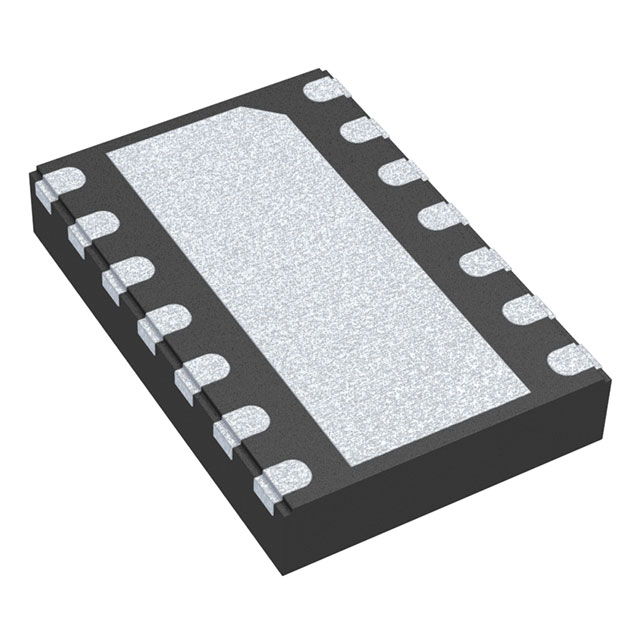
NCV7446MW0R2G
ActiveCAN FD TX RX, AEC-Q100, -40 TO 150DEG C ROHS COMPLIANT: YES
Deep-Dive with AI
Search across all available documentation for this part.
NCV7446MW0R2G
ActiveCAN FD TX RX, AEC-Q100, -40 TO 150DEG C ROHS COMPLIANT: YES
Deep-Dive with AI
Technical Specifications
Parameters and characteristics for this part
| Specification | NCV7446MW0R2G |
|---|---|
| Data Rate | 5 MBd |
| Grade | Automotive |
| Mounting Type | Wettable Flank, Surface Mount |
| Number of Drivers/Receivers [custom] | 2 |
| Number of Drivers/Receivers [custom] | 2 |
| Package / Case | 14-VDFN Exposed Pad |
| Protocol | CANbus |
| Qualification | AEC-Q100 |
| Supplier Device Package | 14-DFNW |
| Supplier Device Package [x] | 4.5 |
| Supplier Device Package [y] | 3 |
| Type | Transceiver |
| Voltage - Supply [Max] | 5.25 V |
| Voltage - Supply [Min] | 4.75 V |
Pricing
Prices provided here are for design reference only. For realtime values and availability, please visit the distributors directly
| Distributor | Package | Quantity | $ | |
|---|---|---|---|---|
| Digikey | Cut Tape (CT) | 1 | $ 2.29 | |
| 10 | $ 2.06 | |||
| 25 | $ 1.94 | |||
| 100 | $ 1.55 | |||
| 250 | $ 1.36 | |||
| 500 | $ 1.32 | |||
| 1000 | $ 1.05 | |||
| 2500 | $ 1.01 | |||
| Digi-Reel® | 1 | $ 2.29 | ||
| 10 | $ 2.06 | |||
| 25 | $ 1.94 | |||
| 100 | $ 1.55 | |||
| 250 | $ 1.36 | |||
| 500 | $ 1.32 | |||
| 1000 | $ 1.05 | |||
| 2500 | $ 1.01 | |||
| Tape & Reel (TR) | 5000 | $ 0.97 | ||
| 10000 | $ 0.96 | |||
| Newark | Each (Supplied on Cut Tape) | 1 | $ 2.75 | |
| 10 | $ 1.78 | |||
| 25 | $ 1.66 | |||
| 50 | $ 1.56 | |||
| 100 | $ 1.45 | |||
| 250 | $ 1.28 | |||
| 500 | $ 1.18 | |||
| 1000 | $ 1.08 | |||
| ON Semiconductor | N/A | 1 | $ 0.88 | |
Description
General part information
NCV7446 Series
NCV7446 is two channel physical layer device using the Controller Area Network (CAN) protocol. It allows interfacing of two independent CAN physical buses and two independent CAN protocol controllers. The transceivers provide differential transmit capability to the bus and differential receive capability to the CAN controllers.It is consisted of two totally independent NCV7344 transceivers.The NCV7446 guarantees additional timing parameters to ensure robust communication at data rates beyond 1 Mbps to cope with CAN flexible data rate requirements (CAN FD). These features make the NCV7446 an excellent choice for all types of HS−CAN networks, in nodes that require a low−power mode with wake−up capability via the CAN bus.
Documents
Technical documentation and resources