Deep-Dive with AI
Search across all available documentation for this part.
Deep-Dive with AI
Technical Specifications
Parameters and characteristics for this part
| Specification | AM26C31CD |
|---|---|
| Mounting Type | Surface Mount |
| Number of Drivers/Receivers [custom] | 4 |
| Number of Drivers/Receivers [custom] | 0 |
| Operating Temperature [Max] | 70 °C |
| Operating Temperature [Min] | 0 °C |
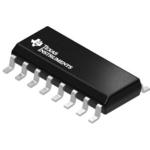
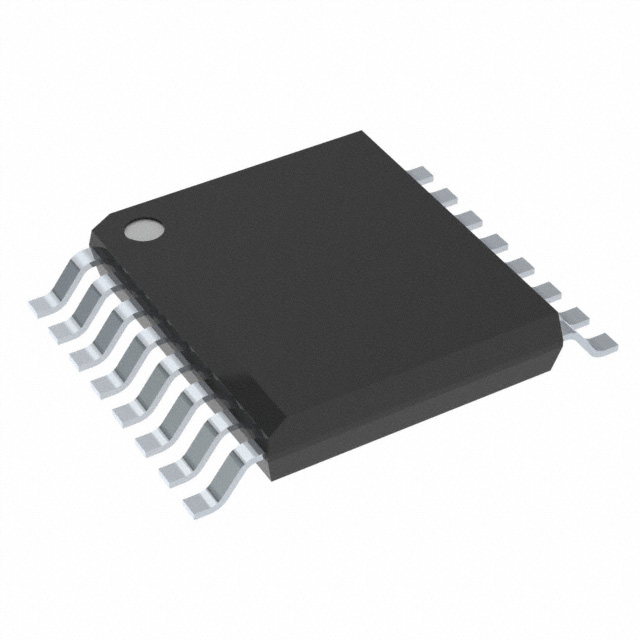
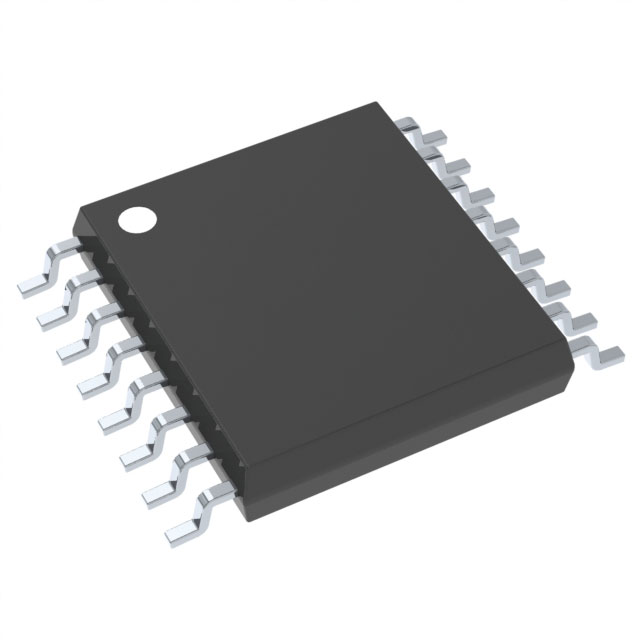
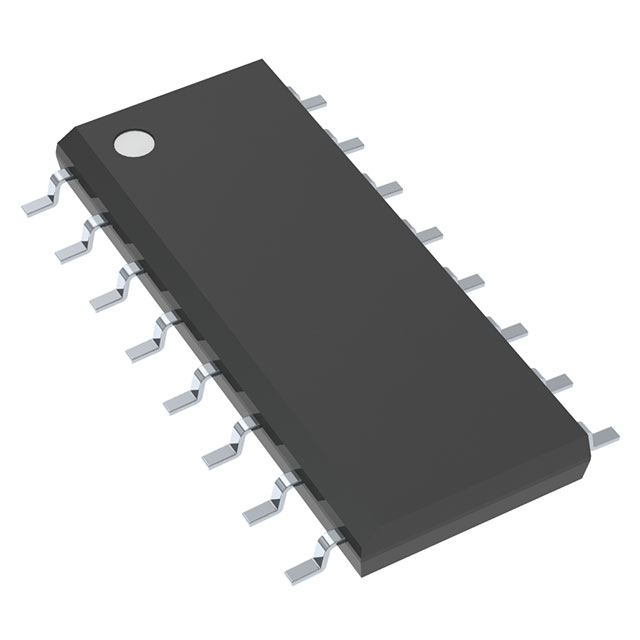
| Package / Case | 16-SOIC |
| Package / Case [x] | 0.154 in |
| Package / Case [y] | 3.9 mm |
| Supplier Device Package | 16-SOIC |
| Type | Driver |
| Voltage - Supply [Max] | 5.5 V |
| Voltage - Supply [Min] | 4.5 V |
Pricing
Prices provided here are for design reference only. For realtime values and availability, please visit the distributors directly
| Distributor | Package | Quantity | $ | |
|---|---|---|---|---|
| Digikey | Tube | 1 | $ 2.31 | |
| 10 | $ 1.48 | |||
| 25 | $ 1.27 | |||
| 100 | $ 1.02 | |||
| 250 | $ 0.90 | |||
| 500 | $ 0.83 | |||
| Texas Instruments | TUBE | 1 | $ 1.20 | |
| 100 | $ 0.92 | |||
| 250 | $ 0.68 | |||
| 1000 | $ 0.49 | |||
Description
General part information
AM26C31-EP Series
The AM26C31 is a differential line driver with complementary outputs, designed to meet the requirements of TIA/EIA -422-B and ITU (formerly CCITT). The 3-state outputs have high-current capability for driving balanced lines, such as twisted-pair or parallel-wire transmission lines, and they provide the high-impedance state in the power-off condition. The enable functions are common to all four drivers and offer the choice of an active-high (G) or active-low (G) enable input. BiCMOS circuitry reduces power consumption without sacrificing speed.
The AM26C31 is characterized for operation over extended temperature range of -55°C to 125°C.
The AM26C31 is a differential line driver with complementary outputs, designed to meet the requirements of TIA/EIA -422-B and ITU (formerly CCITT). The 3-state outputs have high-current capability for driving balanced lines, such as twisted-pair or parallel-wire transmission lines, and they provide the high-impedance state in the power-off condition. The enable functions are common to all four drivers and offer the choice of an active-high (G) or active-low (G) enable input. BiCMOS circuitry reduces power consumption without sacrificing speed.
Documents
Technical documentation and resources