LM2623QNHLRQ1
Active0.8-V TO 14-V INPUT VOLTAGE, 2-A LOAD CURRENT, STEP-UP DC/DC, AEC-Q100 QUALIFIED
Deep-Dive with AI
Search across all available documentation for this part.
LM2623QNHLRQ1
Active0.8-V TO 14-V INPUT VOLTAGE, 2-A LOAD CURRENT, STEP-UP DC/DC, AEC-Q100 QUALIFIED
Deep-Dive with AI
Technical Specifications
Parameters and characteristics for this part
| Specification | LM2623QNHLRQ1 |
|---|---|
| Current - Output | 2.85 A |
| Frequency - Switching | 2 MHz |
| Function | Step-Up |
| Grade | Automotive |
| Mounting Type | Surface Mount |
| Number of Outputs | 1 |
| Operating Temperature [Max] | 125 ¯C |
| Operating Temperature [Min] | -40 °C |
| Output Configuration | Positive |
| Output Type | Adjustable |
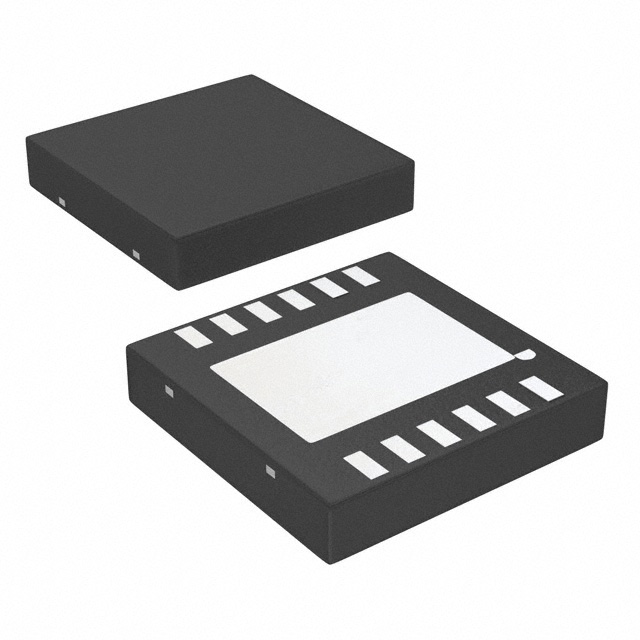
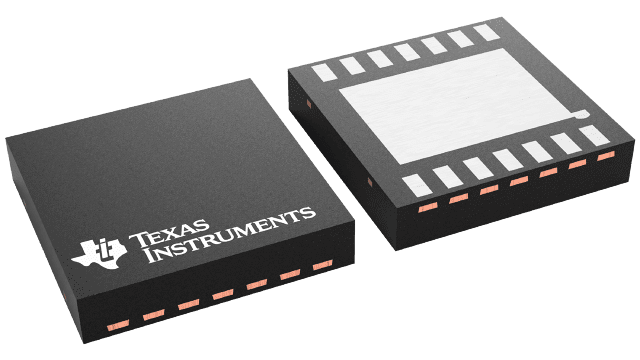
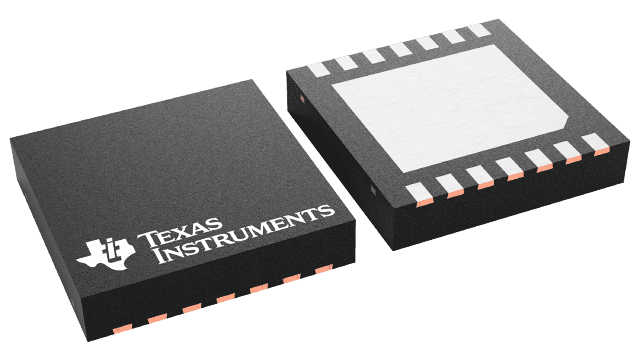
| Package / Case | 14-WFDFN Exposed Pad |
| Qualification | AEC-Q100 |
| Supplier Device Package | 14-WSON (4x4) |
| Synchronous Rectifier | False |
| Topology | Boost |
| Voltage - Input (Max) [Max] | 14 V |
| Voltage - Input (Min) [Min] | 0.9 V |
| Voltage - Output (Max) [Max] | 14 V |
| Voltage - Output (Min/Fixed) | 1.24 V |
Pricing
Prices provided here are for design reference only. For realtime values and availability, please visit the distributors directly
| Distributor | Package | Quantity | $ | |
|---|---|---|---|---|
| Digikey | Cut Tape (CT) | 1 | $ 2.79 | |
| Digi-Reel® | 1 | $ 2.79 | ||
| Tape & Reel (TR) | 4500 | $ 0.84 | ||
| 9000 | $ 0.80 | |||
| Texas Instruments | LARGE T&R | 1 | $ 1.52 | |
| 100 | $ 1.26 | |||
| 250 | $ 0.91 | |||
| 1000 | $ 0.68 | |||
Description
General part information
LM2623-Q1 Series
The LM2623-Q1 is a high-efficiency, general-purpose, step-up DC-DC switching regulator for automotive systems. The device accepts an input voltage between 0.9 V and 14 V and converts it into a regulated output voltage between 1.24 V and 14 V.
In order to adapt to a number of applications, the LM2623-Q1 allows the designer to program the output voltage, the operating frequency (300 kHz to 2 MHz), and duty cycle (17% to 90%) to optimize performance. The selected values can be fixed or can vary with input voltage or input-to-output voltage ratio. The LM2623-Q1 uses a very simple, on/off regulation mode to produce good efficiency and stable operation over a wide operating range. The device normally regulates by skipping switching cycles when it reaches the regulation limit (pulse frequency modulation (PFM)).
Refer toNon-Linear EffectandChoosing the Correct C3 Capacitorto resolve any design challenges before board design is finalized.
Documents
Technical documentation and resources