Deep-Dive with AI
Search across all available documentation for this part.
Deep-Dive with AI
Technical Specifications
Parameters and characteristics for this part
| Specification | ISO7240ADWG4 |
|---|---|
| Channel Type | Unidirectional |
| Common Mode Transient Immunity (Min) [Min] | 25 kV/µs |
| Data Rate | 1 Mbps |
| Inputs - Side 1/Side 2 | 4/0 |
| Isolated Power | False |
| Mounting Type | Surface Mount |
| Number of Channels | 4 |
| Operating Temperature [Max] | 125 °C |
| Operating Temperature [Min] | -40 °C |
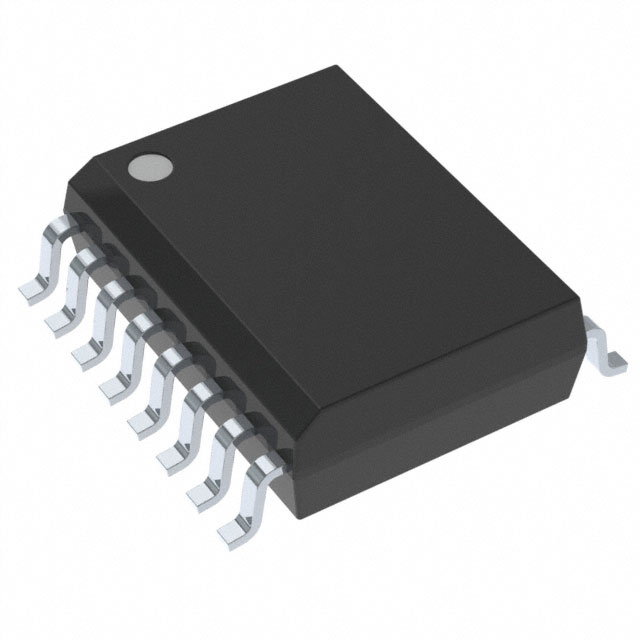
| Package / Case | 16-SOIC |
| Package / Case [x] | 0.295 in |
| Package / Case [y] | 7.5 mm |
| Propagation Delay tpLH / tpHL (Max) | 95 ns |
| Pulse Width Distortion (Max) [Max] | 10 ns |
| Rise / Fall Time (Typ) [custom] | 2 ns |
| Rise / Fall Time (Typ) [custom] | 2 ns |
| Supplier Device Package | 16-SOIC |
| Technology | Capacitive Coupling |
| Type | General Purpose |
| Voltage - Isolation | 4000 Vpk |
| Voltage - Supply [Max] | 5.5 V |
| Voltage - Supply [Min] | 3.15 V |
Pricing
Prices provided here are for design reference only. For realtime values and availability, please visit the distributors directly
| Distributor | Package | Quantity | $ | |
|---|---|---|---|---|
Description
General part information
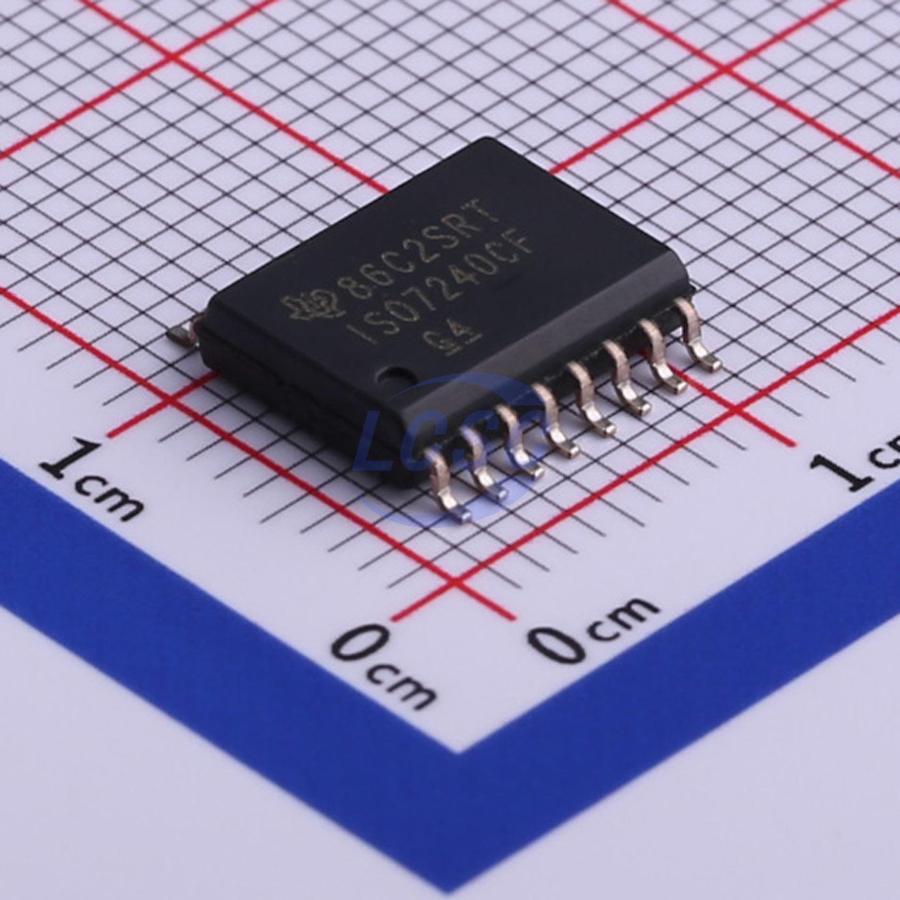
ISO7240CF Series
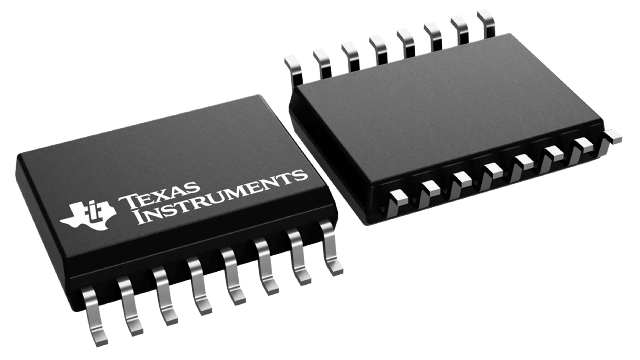
The ISO7240x, ISO7241x, and ISO7242x devices are quad-channel digital isolators with multiple channel configurations and output-enable functions. These devices have logic-input and logic-output buffers separated by Texas Instrument’s silicon-dioxide (SiO2) isolation barrier. Used in conjunction with isolated power supplies, these devices help block high voltage, isolate grounds, and prevent noise currents from entering the local ground and interfering with or damaging sensitive circuitry.
The ISO7240x family of devices has all four channels in the same direction. The ISO7241x family of devices has three channels in the same direction and one channel in the opposition direction. The ISO7242x family of devices has two channels in each direction.
The devices with the C suffix (C option) have TTL input thresholds and a noise-filter at the input that prevents transient pulses from being passed to the output of the device. The devices with the M suffix (M option) have CMOS VCC/2 input thresholds and do not have the input noise filter or the additional propagation delay.
Documents
Technical documentation and resources
No documents available