Deep-Dive with AI
Search across all available documentation for this part.
Deep-Dive with AI
Technical Specifications
Parameters and characteristics for this part
| Specification | LM3475MF |
|---|---|
| Clock Sync | False |
| Control Features | Enable |
| Duty Cycle (Max) [Max] | 100 % |
| Function | Step-Down |
| Mounting Type | Surface Mount |
| Number of Outputs | 1 |
| Operating Temperature [Max] | 125 ¯C |
| Operating Temperature [Min] | -40 °C |
| Output Configuration | Positive |
| Output Phases | 1 |
| Output Type | Transistor Driver |
| Package / Case | SC-74A, SOT-753 |
| Supplier Device Package | SOT-23-5 |
| Synchronous Rectifier | False |
| Topology | Buck |
| Voltage - Supply (Vcc/Vdd) [Max] | 10 V |
| Voltage - Supply (Vcc/Vdd) [Min] | 2.7 V |
Pricing
Prices provided here are for design reference only. For realtime values and availability, please visit the distributors directly
| Distributor | Package | Quantity | $ | |
|---|---|---|---|---|
| Digikey | Bulk | 353 | $ 0.85 | |
Description
General part information
LM3475 Series
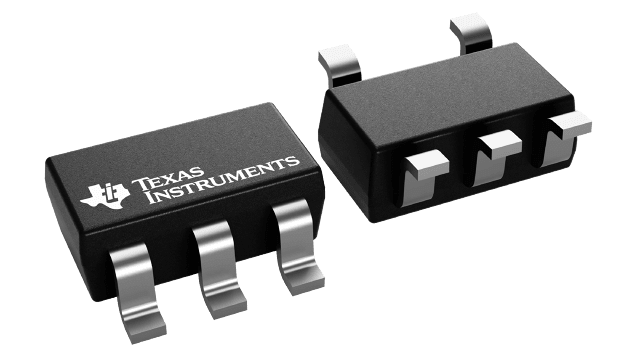
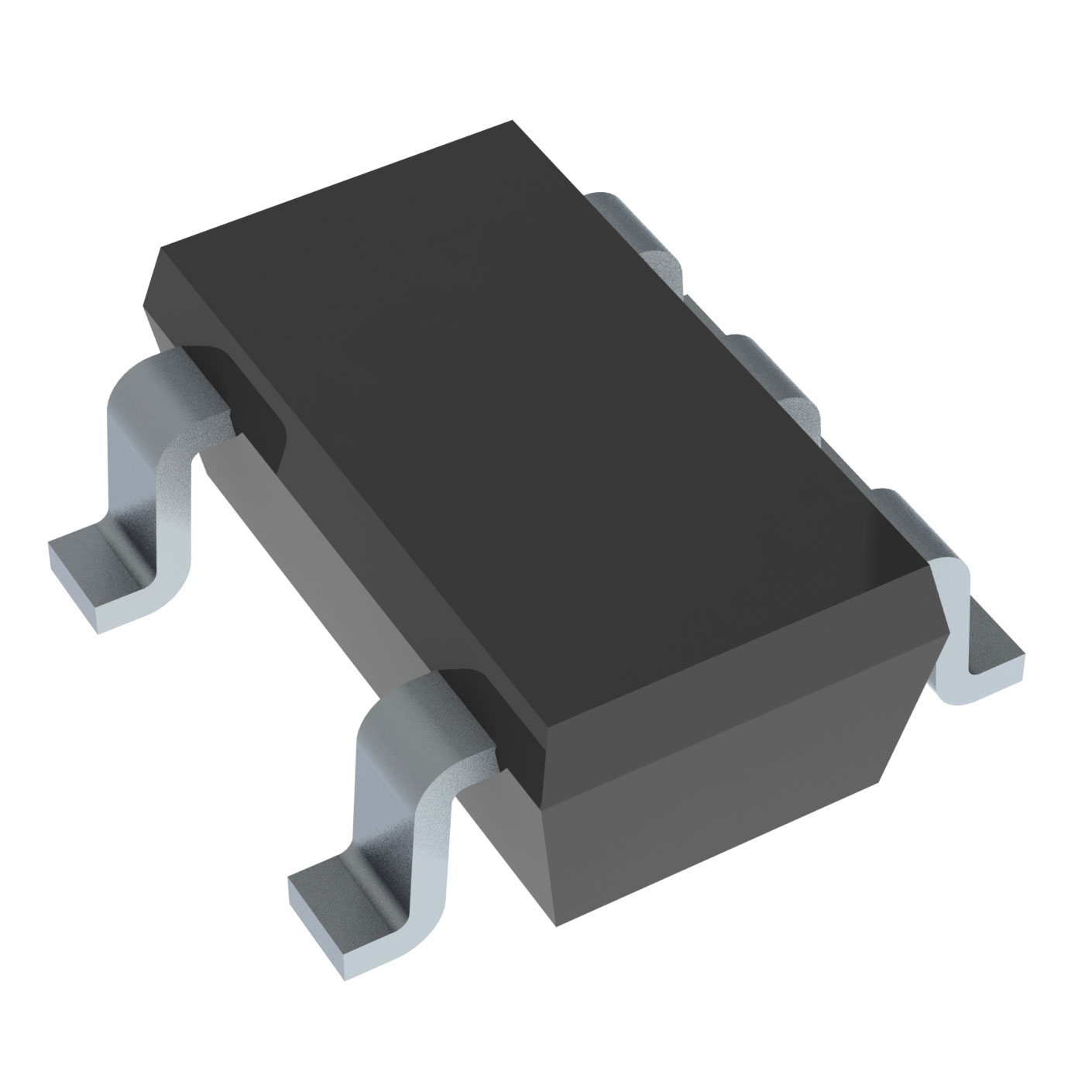
The LM3475 is a hysteretic P-FET buck controller designed to support a wide range of high efficiency applications in a very small SOT-23-5 package. The hysteretic control scheme has several advantages, including simple system design with no external compensation, stable operation with a wide range of components, and extremely fast transient response. Hysteretic control also provides high efficiency operation, even at light loads. The PFET architecture allows for low component count as well as 100% duty cycle and ultra-low dropout operation.
The LM3475 is a hysteretic P-FET buck controller designed to support a wide range of high efficiency applications in a very small SOT-23-5 package. The hysteretic control scheme has several advantages, including simple system design with no external compensation, stable operation with a wide range of components, and extremely fast transient response. Hysteretic control also provides high efficiency operation, even at light loads. The PFET architecture allows for low component count as well as 100% duty cycle and ultra-low dropout operation.
Documents
Technical documentation and resources
No documents available