


Discrete Semiconductor Products
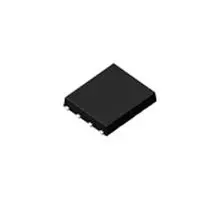
HP8KE7TB1
ActiveRohm Semiconductor
MOSFETS 100V 24A, DUAL NCH+NCH, HSOP8, POWER MOSFET: HP8KE7 IS A LOW ON-RESISTANCE MOSFET IDEAL FOR SWITCHING APPLICATIONS.
Deep-Dive with AI
Search across all available documentation for this part.
Discrete Semiconductor Products
HP8KE7TB1
ActiveRohm Semiconductor
MOSFETS 100V 24A, DUAL NCH+NCH, HSOP8, POWER MOSFET: HP8KE7 IS A LOW ON-RESISTANCE MOSFET IDEAL FOR SWITCHING APPLICATIONS.
Deep-Dive with AI
Technical Specifications
Parameters and characteristics for this part
| Specification | HP8KE7TB1 |
|---|---|
| Configuration | 2 N-Channel, 2 N-Channel (Dual) |
| Current - Continuous Drain (Id) @ 25°C | 24 A, 10 A |
| Drain to Source Voltage (Vdss) | 100 V |
| Gate Charge (Qg) (Max) @ Vgs | 19.8 nC |
| Input Capacitance (Ciss) (Max) @ Vds | 1100 pF |
| Mounting Type | Surface Mount |
| Operating Temperature | 150 °C |
| Package / Case | 8-PowerTDFN |
| Power - Max | 3 W, 26 W |
| Rds On (Max) @ Id, Vgs | 19.6 mOhm |
| Supplier Device Package | 8-HSOP |
| Technology | MOSFET (Metal Oxide) |
| Vgs(th) (Max) @ Id | 2.5 V |
Pricing
Prices provided here are for design reference only. For realtime values and availability, please visit the distributors directly
| Distributor | Package | Quantity | $ | |
|---|---|---|---|---|
| Digikey | Cut Tape (CT) | 1 | $ 3.60 | |
| 10 | $ 2.35 | |||
| 100 | $ 1.64 | |||
| 500 | $ 1.34 | |||
| 1000 | $ 1.24 | |||
| Digi-Reel® | 1 | $ 3.60 | ||
| 10 | $ 2.35 | |||
| 100 | $ 1.64 | |||
| 500 | $ 1.34 | |||
| 1000 | $ 1.24 | |||
| N/A | 1963 | $ 3.57 | ||
| Tape & Reel (TR) | 2500 | $ 1.16 | ||
| Mouser | N/A | 1 | $ 3.22 | |
| 10 | $ 2.32 | |||
| 100 | $ 1.64 | |||
| 500 | $ 1.33 | |||
| 1000 | $ 1.24 | |||
| 2500 | $ 1.23 | |||
| 5000 | $ 1.16 | |||
| Newark | Each (Supplied on Cut Tape) | 1 | $ 3.47 | |
| 10 | $ 2.42 | |||
| 25 | $ 2.18 | |||
| 50 | $ 1.94 | |||
| 100 | $ 1.71 | |||
| 250 | $ 1.55 | |||
| 500 | $ 1.38 | |||
| 1000 | $ 1.29 | |||
Description
General part information
HP8KE7 Series
HP8KE7 is a low on-resistance MOSFET ideal for switching applications.
Documents
Technical documentation and resources