Deep-Dive with AI
Search across all available documentation for this part.
Deep-Dive with AI
Technical Specifications
Parameters and characteristics for this part
| Specification | BQ24314DSJT |
|---|---|
| Battery Chemistry | Lithium Ion |
| Fault Protection | Over Temperature, Over Current, Over/Under Voltage |
| Function | Battery Protection |
| Mounting Type | Surface Mount |
| Operating Temperature [Max] | 125 ¯C |
| Operating Temperature [Min] | 0 °C |
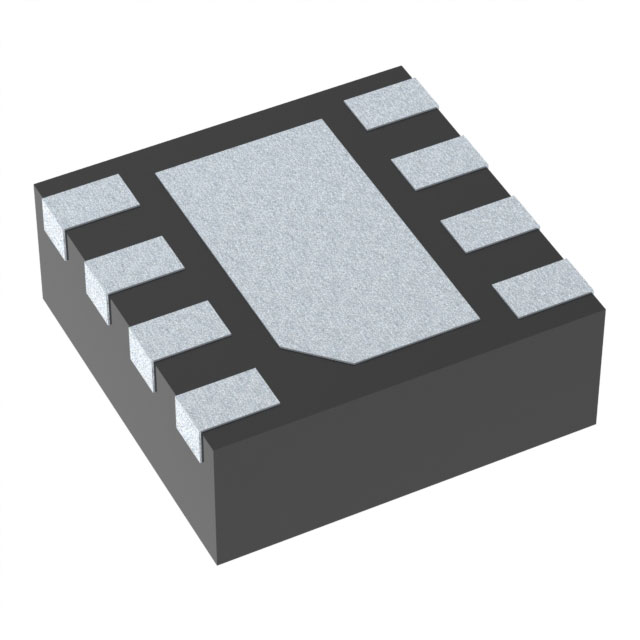
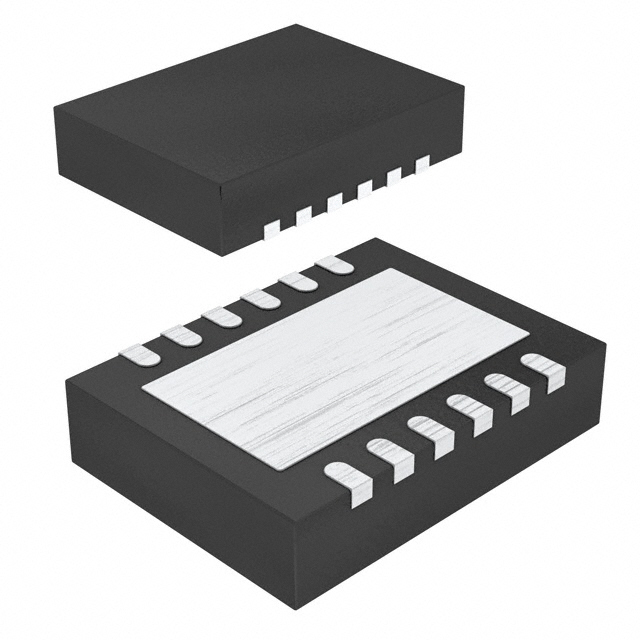
| Package / Case | 12-VFDFN Exposed Pad |
| Supplier Device Package | 12-VSON (4x3) |
Pricing
Prices provided here are for design reference only. For realtime values and availability, please visit the distributors directly
| Distributor | Package | Quantity | $ | |
|---|---|---|---|---|
Description
General part information
BQ24314C Series
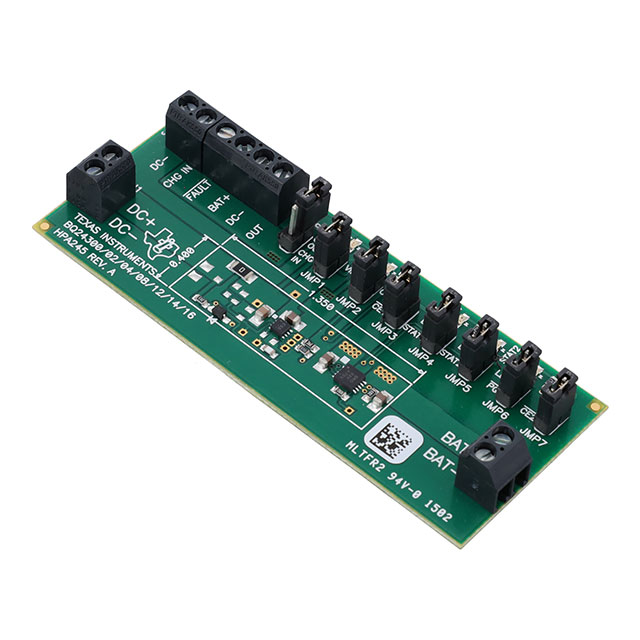
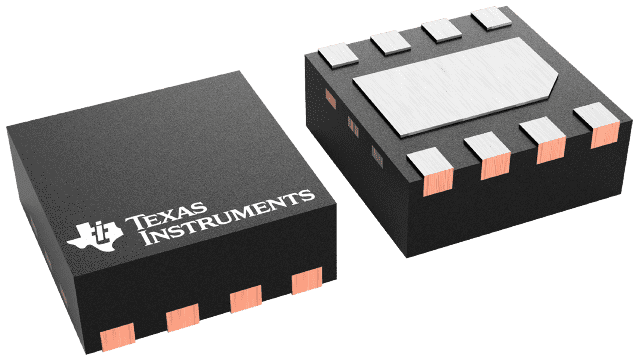
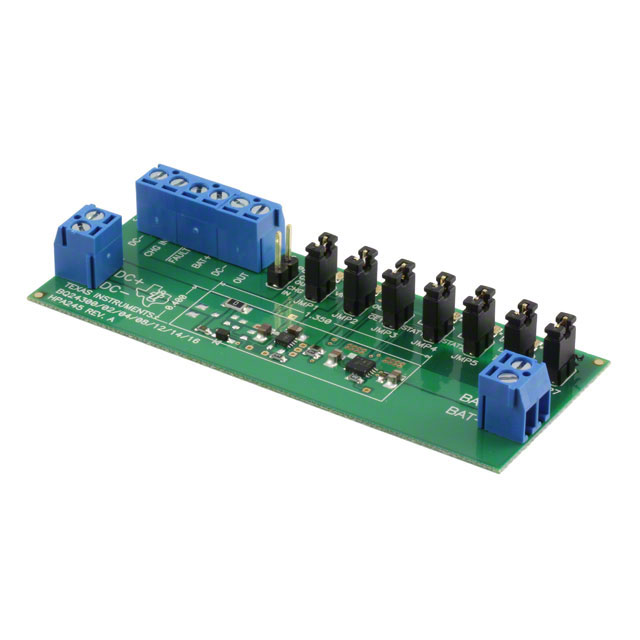
The bq24314C device is a highly integrated circuit (IC) designed to provide protection to Li-ion batteries from failures of the charging circuit. The device continuously monitors the input voltage, the input current, and the battery voltage. In case of an input overvoltage condition, the device immediately removes power from the charging circuit by turning off an internal switch. In the case of an overcurrent condition, it limits the system current at the threshold value, and if the overcurrent persists, switches the pass element OFF after a blanking period. Additionally, the device also monitors its own die temperature and switches off if it exceeds 140°C. The input overcurrent threshold is user-programmable.
The device can be controlled by a processor and also provides status information about fault conditions to the host.
The bq24314C device is a highly integrated circuit (IC) designed to provide protection to Li-ion batteries from failures of the charging circuit. The device continuously monitors the input voltage, the input current, and the battery voltage. In case of an input overvoltage condition, the device immediately removes power from the charging circuit by turning off an internal switch. In the case of an overcurrent condition, it limits the system current at the threshold value, and if the overcurrent persists, switches the pass element OFF after a blanking period. Additionally, the device also monitors its own die temperature and switches off if it exceeds 140°C. The input overcurrent threshold is user-programmable.
Documents
Technical documentation and resources
No documents available