SN74ALS996DWR
ActiveOCTAL D-TYPE EDGE-TRIGGERED READ-BACK LATCHES
Deep-Dive with AI
Search across all available documentation for this part.
SN74ALS996DWR
ActiveOCTAL D-TYPE EDGE-TRIGGERED READ-BACK LATCHES
Deep-Dive with AI
Technical Specifications
Parameters and characteristics for this part
| Specification | SN74ALS996DWR |
|---|---|
| Circuit [custom] | 8 |
| Circuit [custom] | 8 |
| Current - Output High, Low [custom] | 400 µA |
| Current - Output High, Low [custom] | 8 mA |
| Delay Time - Propagation | 5 ns |
| Independent Circuits | 1 |
| Logic Type | D-Type Transparent Latch |
| Mounting Type | Surface Mount |
| Operating Temperature [Max] | 70 °C |
| Operating Temperature [Min] | 0 °C |
| Output Type | Tri-State |
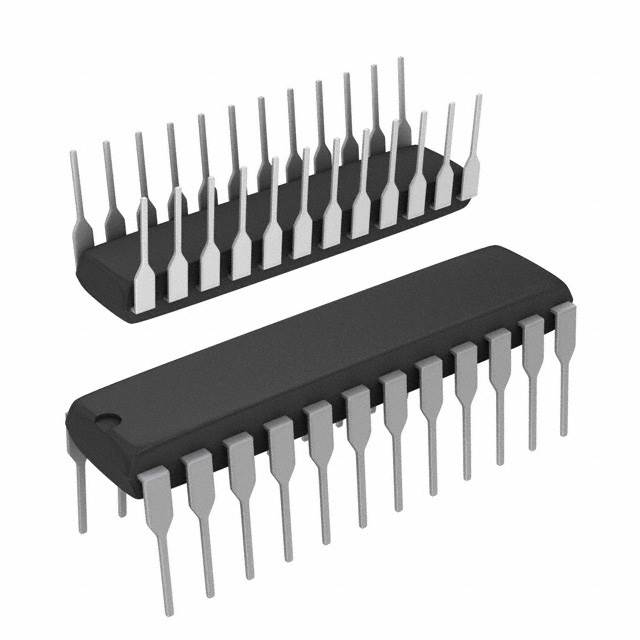
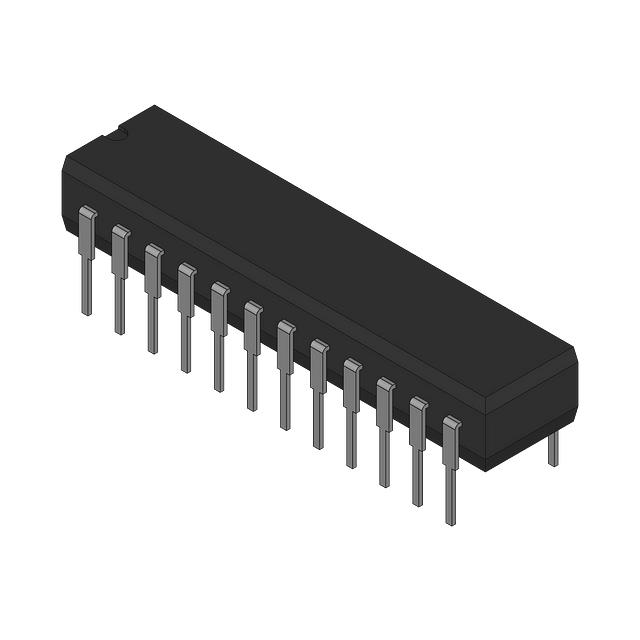
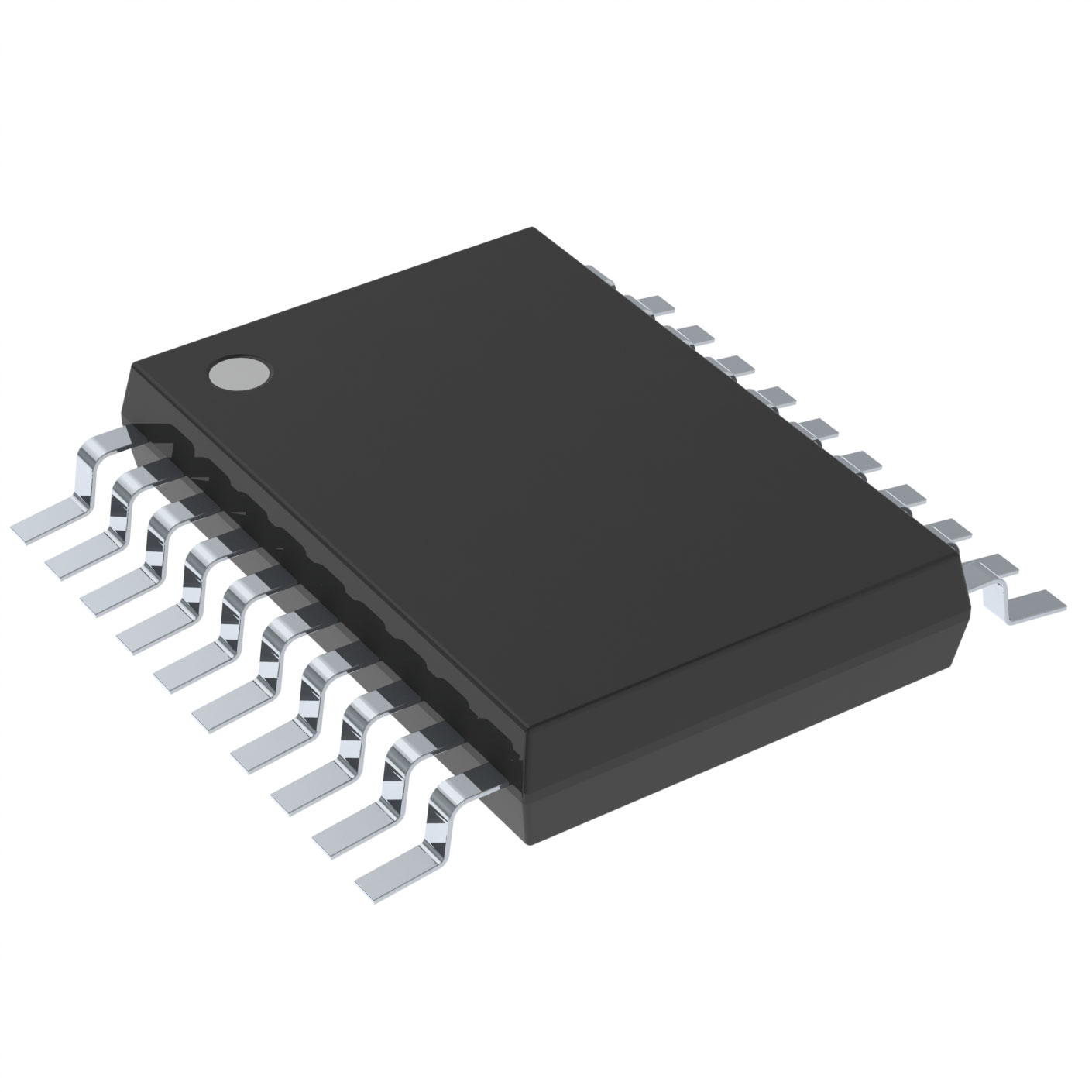
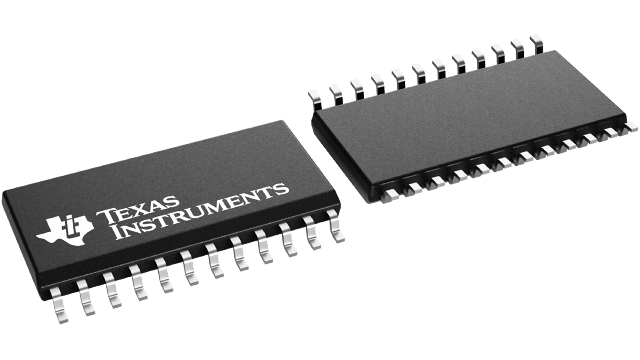
| Package / Case | 24-SOIC |
| Package / Case [custom] | 7.5 mm |
| Package / Case [custom] | 0.295 in |
| Supplier Device Package | 24-SOIC |
| Voltage - Supply [Max] | 5.5 V |
| Voltage - Supply [Min] | 4.5 V |
Pricing
Prices provided here are for design reference only. For realtime values and availability, please visit the distributors directly
| Distributor | Package | Quantity | $ | |
|---|---|---|---|---|
| Digikey | Cut Tape (CT) | 1 | $ 14.64 | |
| Digi-Reel® | 1 | $ 14.64 | ||
| Tape & Reel (TR) | 2000 | $ 8.92 | ||
| Texas Instruments | LARGE T&R | 1 | $ 13.18 | |
| 100 | $ 11.51 | |||
| 250 | $ 8.88 | |||
| 1000 | $ 7.94 | |||
Description
General part information
SN74ALS996 Series
These 8-bit latches are designed specifically for storing the contents of the input data bus and providing the capability of reading back the stored data onto the input data bus. The Q outputs are designed with bus-driving capability.
The edge-triggered flip-flops enter the data on the low-to-high transition of the clock (CLK) input when the enable () input is low. Data can be read back onto the data inputs by taking the read () input low, in addition to havinglow. When EN\ is high, both the read-back and write modes are disabled. Transitions onshould only be made with CLK high to prevent false clocking.
The polarity of the Q outputs can be controlled by the polarity (T/C\) input. When T/C\ is high, Q is the same as is stored in the flip-flops. When T/C\ is low, the output data is inverted. The Q outputs can be placed in the high-impedance state by taking the output-enable () input high.does not affect the internal operation of the register. Old data can be retained or new data can be entered while the outputs are off.
Documents
Technical documentation and resources