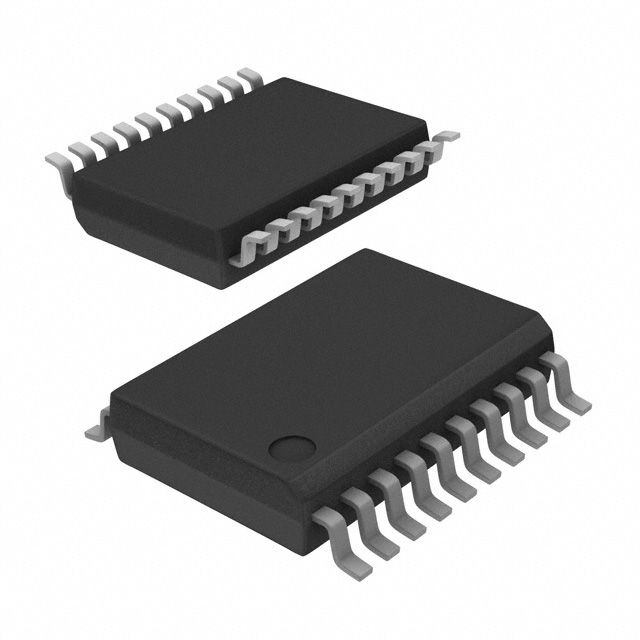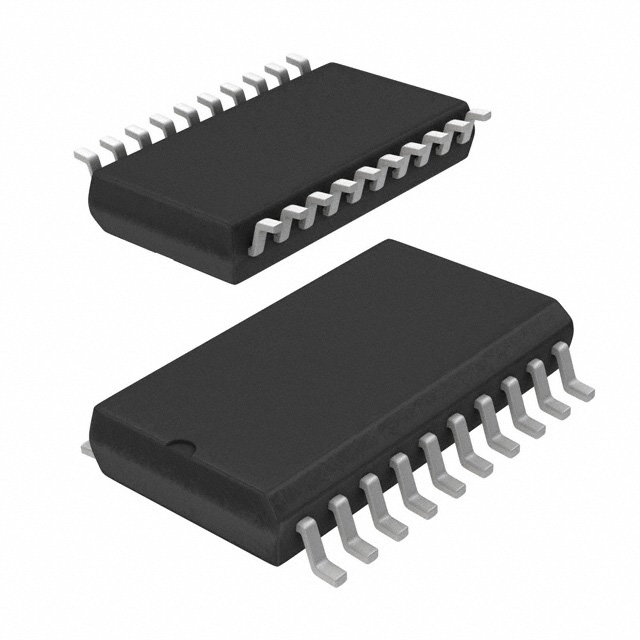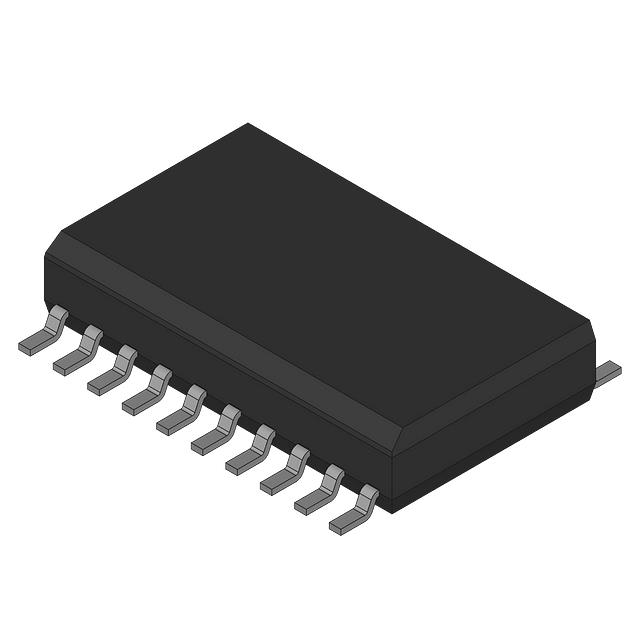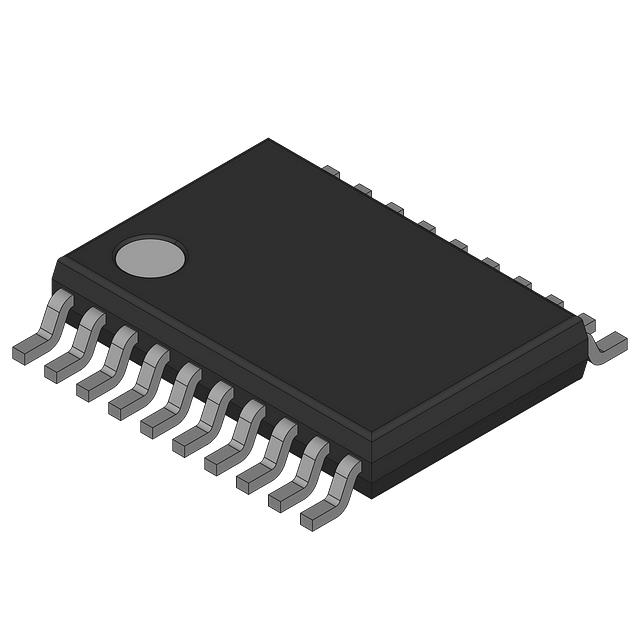
74LVTH245MTC
ActiveLOW VOLTAGE OCTAL BIDIRECTIONAL TRANSCEIVER WITH 3-STATE INPUTS/OUTPUTS
Deep-Dive with AI
Search across all available documentation for this part.
74LVTH245MTC
ActiveLOW VOLTAGE OCTAL BIDIRECTIONAL TRANSCEIVER WITH 3-STATE INPUTS/OUTPUTS
Deep-Dive with AI
Technical Specifications
Parameters and characteristics for this part
| Specification | 74LVTH245MTC |
|---|---|
| Current - Output High, Low [custom] | 64 mA |
| Current - Output High, Low [custom] | 32 mA |
| Mounting Type | Surface Mount |
| Number of Bits per Element | 8 |
| Number of Elements | 1 |
| Operating Temperature [Max] | 85 °C |
| Operating Temperature [Min] | -40 °C |
| Output Type | 3-State |
| Package / Case | 20-TSSOP |
| Package / Case [x] | 0.173 in |
| Package / Case [y] | 4.4 mm |
| Supplier Device Package | 20-TSSOP |
| Voltage - Supply [Max] | 3.6 V |
| Voltage - Supply [Min] | 2.7 V |
Pricing
Prices provided here are for design reference only. For realtime values and availability, please visit the distributors directly
| Distributor | Package | Quantity | $ | |
|---|---|---|---|---|
| Digikey | Bulk | 528 | $ 0.57 | |
Description
General part information
74LVTH245 Series
The LVT245 and LVTH245 contain eight non-inverting bidirectional buffers with 3-STATE outputs and are intended for bus-oriented applications. The Transmit/Receive (T/R#) input determines the direction of data flow through the bidirectional transceiver. Transmit (active-HIGH) enables data from A ports to B ports; Receive (active-LOW) enables data from B ports to A ports. The Output Enable input, when HIGH, disables both A and B ports by placing them in a HIGH Z condition. The LVTH245 data inputs include bushold, eliminating the need for external pull-up resistors to hold unused inputs. These transceivers are designed for low-voltage (3.3V) VCCapplications, but with the capability to provide a TTL interface to a 5V environment. The LVT245 and LVTH245 are fabricated with an advanced BiCMOS technology to achieve high speed operation similar to 5V ABT while maintaining a low power dissipation.
Documents
Technical documentation and resources
No documents available