Deep-Dive with AI
Search across all available documentation for this part.
Deep-Dive with AI
Technical Specifications
Parameters and characteristics for this part
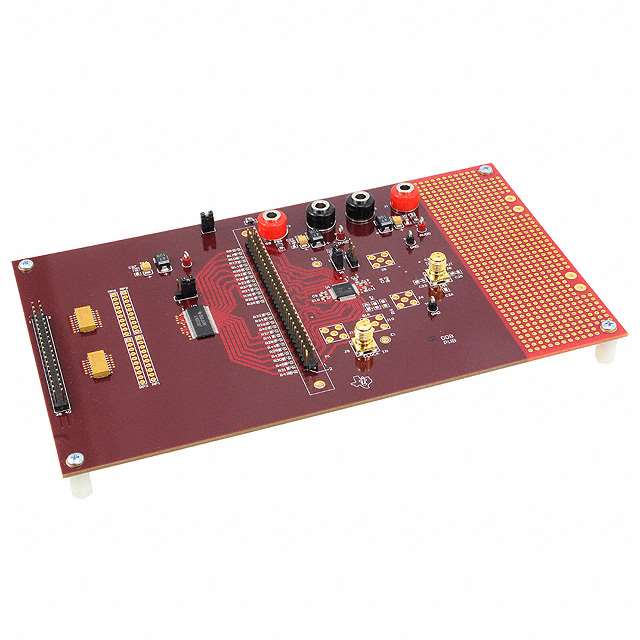
| Specification | DAC5675AEVM |
|---|---|
| DAC Type | Current |
| Data Interface | Parallel |
| Number of Bits | 14 |
| Number of DAC's | 1 |
| Sampling Rate (Per Second) | 400 M |
| Settling Time | 20 ns |
| Supplied Contents | Board(s) |
| Utilized IC / Part | DAC5675A |
Pricing
Prices provided here are for design reference only. For realtime values and availability, please visit the distributors directly
| Distributor | Package | Quantity | $ | |
|---|---|---|---|---|
| Digikey | Box | 1 | $ 238.80 | |
Description
General part information
DAC5675A-SP Series
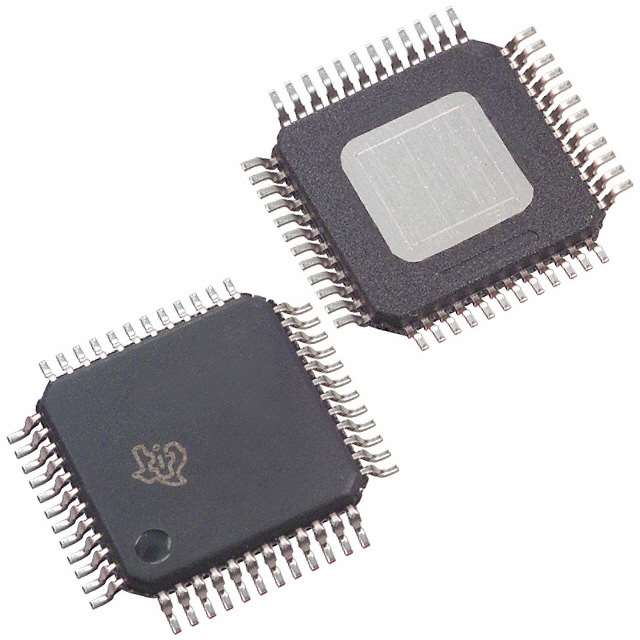
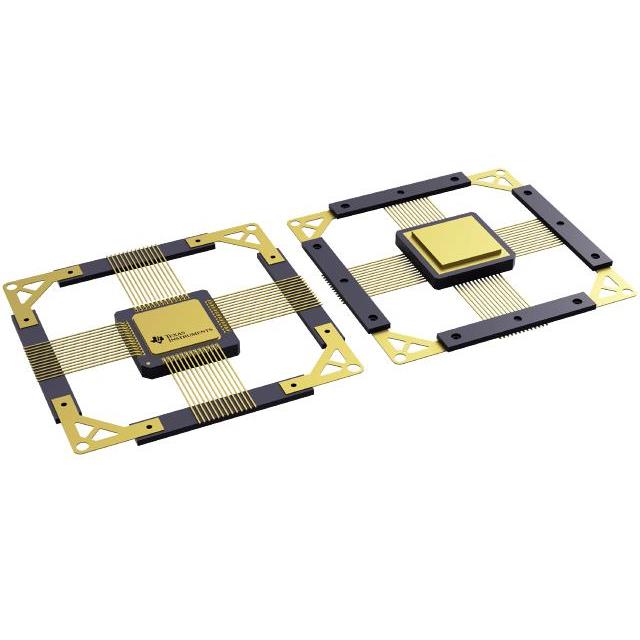
The DAC5675A-SP is a radiation-tolerant, 14-bit resolution high-speed digital-to-analog converter (DAC) primarily suited for space satellite applications. The DAC5675A-SP is designed for high-speed digital data transmission in wired and wireless communication systems, high-frequency direct digital synthesis (DDS), and waveform reconstruction in test and measurement applications. The DAC5675A-SP has excellent SFDR at high intermediate frequencies, which makes it well suited for multicarrier transmission in TDMA and CDMA based cellular base transceiver stations (BTSs).
The DAC5675A-SP operates from a single supply voltage of 3.3 V. Power dissipation is 660 mW at ƒCLK= 400 MSPS, ƒOUT= 70 MHz. The DAC5675A-SP provides a nominal full-scale differential current output of 20 mA, supporting both single-ended and differential applications. The output current can be directly fed to the load with no additional external output buffer required. The output is referred to the analog supply voltage AVDD.
The DAC5675A-SP includes a low-voltage differential signaling (LVDS) interface for high-speed digital data input. LVDS features a low differential voltage swing with a low constant power consumption across frequency, allowing for high-speed data transmission with low noise levels (low electromagnetic interference (EMI)).
Documents
Technical documentation and resources