Deep-Dive with AI
Search across all available documentation for this part.
Deep-Dive with AI
Technical Specifications
Parameters and characteristics for this part
| Specification | CY74FCT543CTQCT |
|---|---|
| Current - Output High, Low [custom] | 64 mA |
| Current - Output High, Low [custom] | 32 mA |
| Mounting Type | Surface Mount |
| Number of Bits per Element | 8 |
| Number of Elements | 1 |
| Operating Temperature [Max] | 85 °C |
| Operating Temperature [Min] | -40 °C |
| Output Type | 3-State |
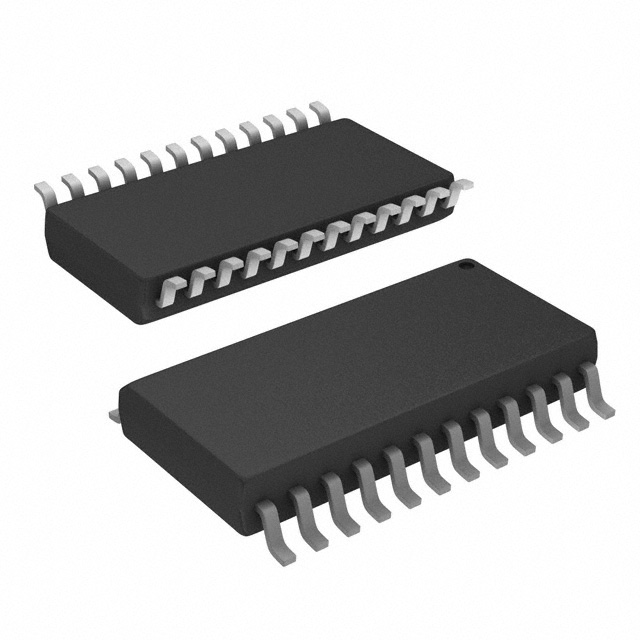
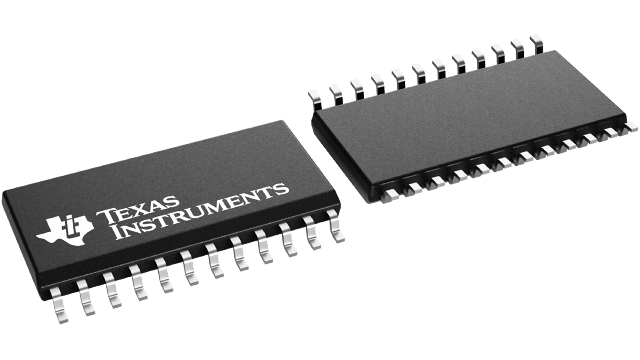
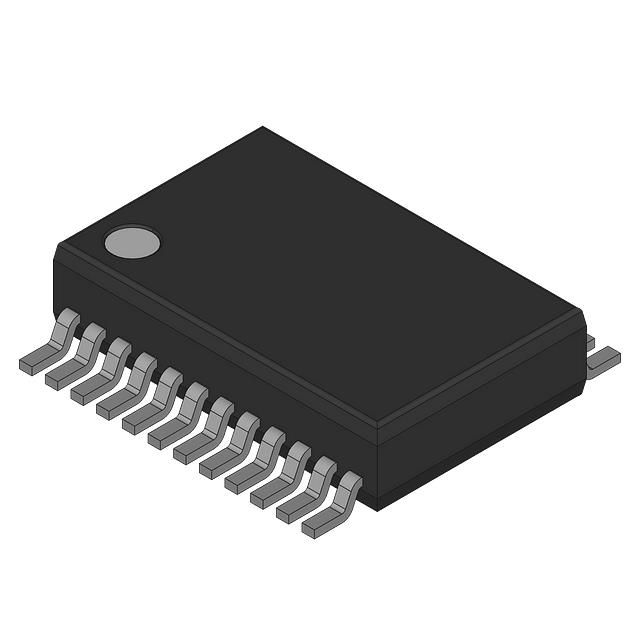
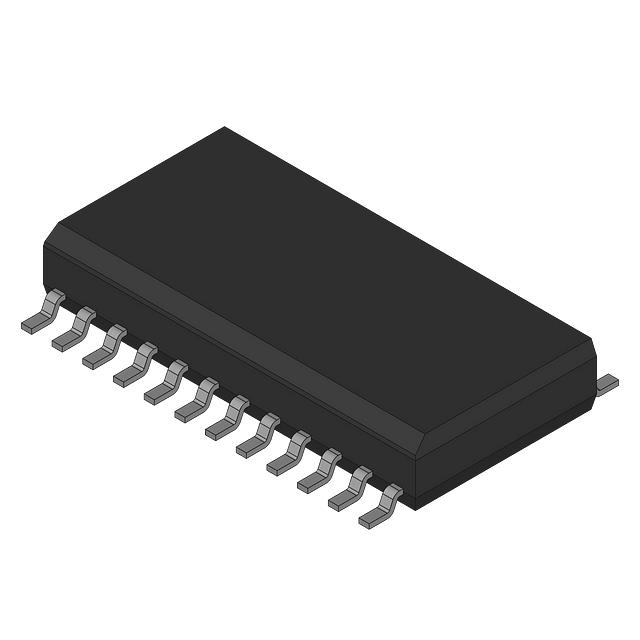
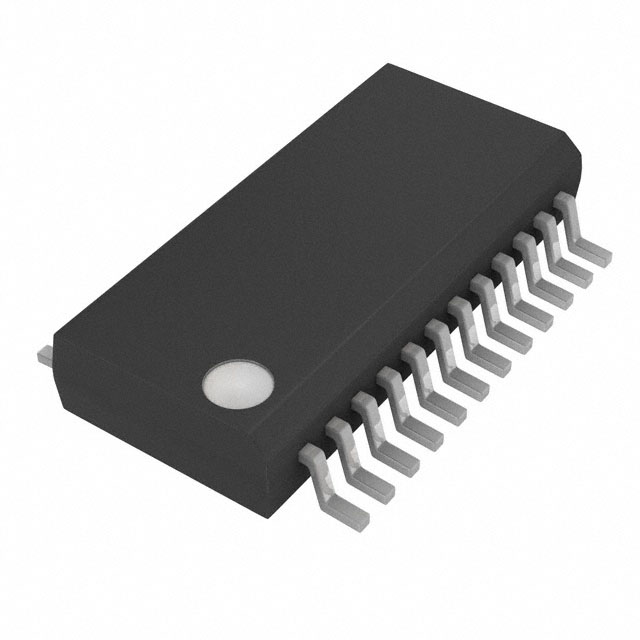
| Package / Case | 24-SSOP |
| Package / Case [custom] | 0.154 ", 3.9 mm |
| Supplier Device Package | 24-SSOP |
| Voltage - Supply [Max] | 5.25 V |
| Voltage - Supply [Min] | 4.75 V |
Pricing
Prices provided here are for design reference only. For realtime values and availability, please visit the distributors directly
| Distributor | Package | Quantity | $ | |
|---|---|---|---|---|
Description
General part information
CY74FCT543T Series
The \x92FCT543T octal latched transceivers contain two sets of eight D-type latches with separate latch-enable (LEAB\, LEBA\) and output-enable (OEAB\, OEBA\) inputs for each set to permit independent control of input and output in either direction of data flow. For data flow from A to B, for example, the A-to-B enable (CEAB\) input must be low in order to enter data from A or to take data from B, as indicated in the function table. With CEAB\ low, a low signal on the A-to-B latch-enable (LEAB\) input makes the A-to-B latches transparent; a subsequent low-to-high transition of the LEAB\ signal puts the A latches in the storage mode and their outputs no longer change with the A inputs. With CEAB\ and OEAB\ low, the 3-state B-output buffers are active and reflect the data present at the output of the A latches. Control of data from B to A is similar, but uses CEBA\, LEBA\, and OEBA\ inputs.
These devices are fully specified for partial-power-down applications using Ioff. The Ioffcircuitry disables the outputs, preventing damaging current backflow through the device when it is powered down.
The \x92FCT543T octal latched transceivers contain two sets of eight D-type latches with separate latch-enable (LEAB\, LEBA\) and output-enable (OEAB\, OEBA\) inputs for each set to permit independent control of input and output in either direction of data flow. For data flow from A to B, for example, the A-to-B enable (CEAB\) input must be low in order to enter data from A or to take data from B, as indicated in the function table. With CEAB\ low, a low signal on the A-to-B latch-enable (LEAB\) input makes the A-to-B latches transparent; a subsequent low-to-high transition of the LEAB\ signal puts the A latches in the storage mode and their outputs no longer change with the A inputs. With CEAB\ and OEAB\ low, the 3-state B-output buffers are active and reflect the data present at the output of the A latches. Control of data from B to A is similar, but uses CEBA\, LEBA\, and OEBA\ inputs.
Documents
Technical documentation and resources
No documents available