MK3720DLF
Obsolete27 MHZ AND 54 MHZ 3.3 VOLT VCXO
Deep-Dive with AI
Search across all available documentation for this part.
MK3720DLF
Obsolete27 MHZ AND 54 MHZ 3.3 VOLT VCXO
Deep-Dive with AI
Technical Specifications
Parameters and characteristics for this part
| Specification | MK3720DLF |
|---|---|
| Differential - Input:Output | False |
| Divider/Multiplier | False |
| Frequency - Max [Max] | 54 MHz |
| Input | Crystal |
| Mounting Type | Surface Mount |
| Number of Circuits | 1 |
| Operating Temperature [Max] | 70 °C |
| Operating Temperature [Min] | 0 °C |
| Output | CMOS |
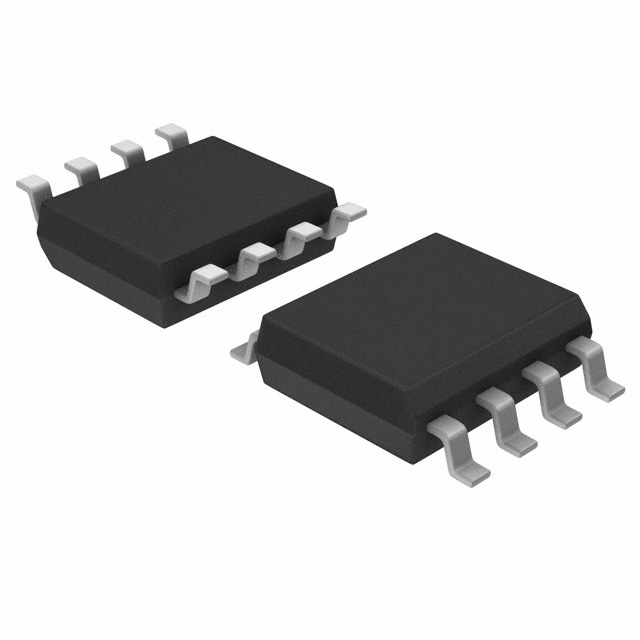
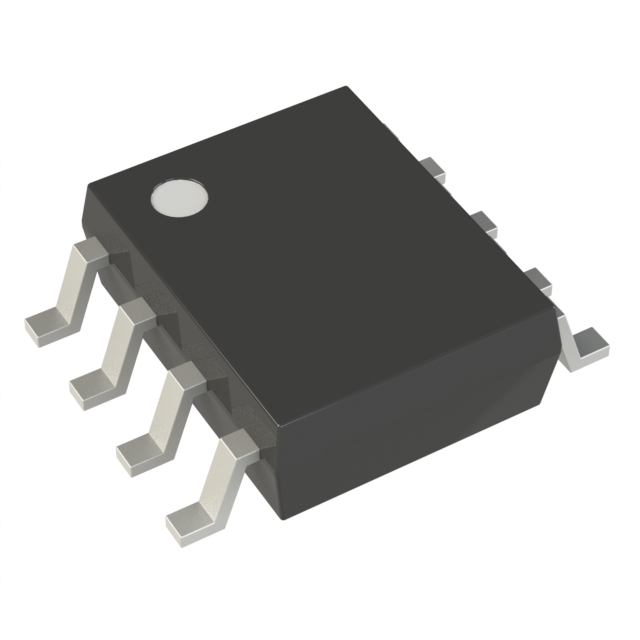
| Package / Case | 8-SOIC |
| Package / Case [x] | 0.154 in |
| Package / Case [y] | 3.9 mm |
| PLL | Yes with Bypass |
| Ratio - Input:Output [custom] | 2:3 |
| Supplier Device Package | 8-SOIC |
| Type | Voltage Controlled Crystal Oscillator (VCXO) |
| Voltage - Supply [Max] | 3.45 V |
| Voltage - Supply [Min] | 3.15 V |
Pricing
Prices provided here are for design reference only. For realtime values and availability, please visit the distributors directly
| Distributor | Package | Quantity | $ | |
|---|---|---|---|---|
Description
General part information
MK3720 Series
The MK3720D is a drop-in replacement for the MK3720S and MK3720A devices. Compared to these earlier devices, the MK3720D offers a wider operating frequency range and improved power supply noise rejection. The MK3720 is a low cost, low jitter, high-performance 3.3 volt VCXO and PLL clock synthesizer designed to replace expensive 13.5, 27, or 54 MHz VCXOs. The patented on-chip Voltage Controlled Crystal Oscillator accepts a 0 to 3.3 V input voltage to cause the output clocks to vary by ±100 ppm. Using our patented VCXO and analog Phase-Locked Loop (PLL) techniques, the device uses an inexpensive external 13.5 MHz pullable crystal input to produce output clocks of 13.5 MHz, 27 MHz, and 54 MHz. The MK3720D exhibits a moderate VCXO gain of 120 ppm/V typical, when used with a high-quality external pullable quartz crystal. The frequency of the on-chip VCXO is adjusted by an external control voltage input into pin VIN. Because VIN is a high impedance input, it can be driven directly from a PWM RC integrator circuit.
Documents
Technical documentation and resources