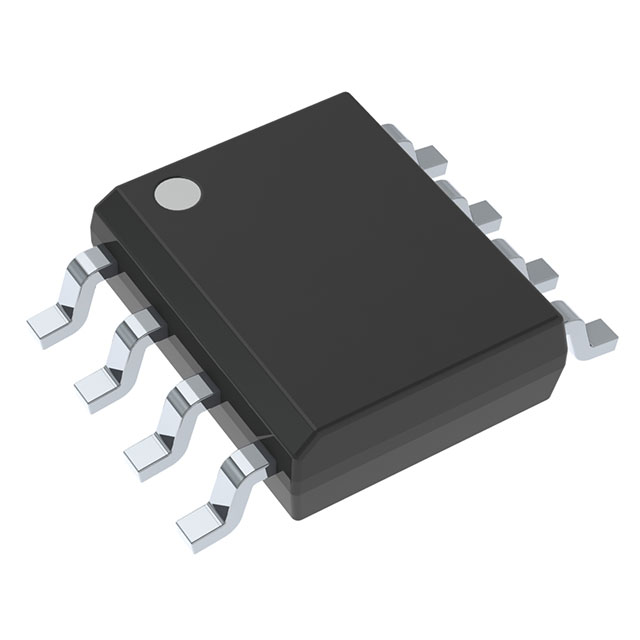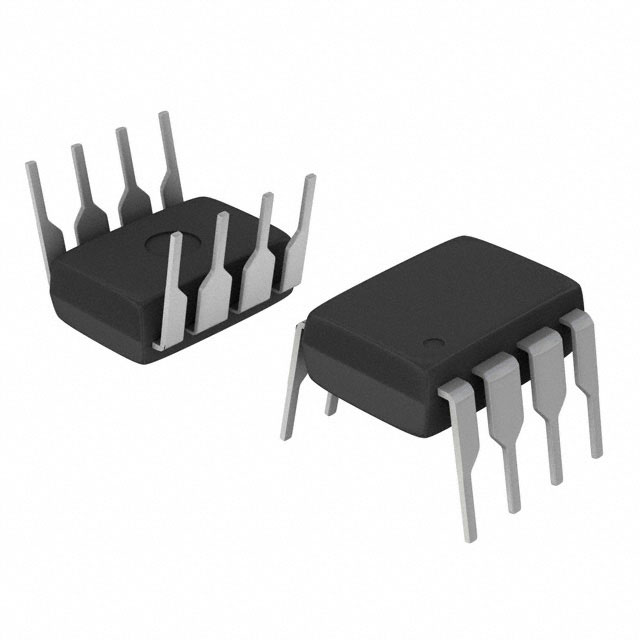
LM1458N/NOPB
ActiveDUAL, 36-V, 1-MHZ OPERATIONAL AMPLIFIER WITH 0°C TO 70°C OPERATION
Deep-Dive with AI
Search across all available documentation for this part.
LM1458N/NOPB
ActiveDUAL, 36-V, 1-MHZ OPERATIONAL AMPLIFIER WITH 0°C TO 70°C OPERATION
Technical Specifications
Parameters and characteristics for this part
| Specification | LM1458N/NOPB |
|---|---|
| Amplifier Type | General Purpose |
| Current - Input Bias | 200 nA |
| Current - Supply | 3 mA |
| Gain Bandwidth Product | 1 MHz |
| Mounting Type | Through Hole |
| Number of Circuits | 2 |
| Operating Temperature [Max] | 70 °C |
| Operating Temperature [Min] | 0 °C |
| Package / Case | 0.3 in |
| Package / Case | 8-DIP |
| Package / Case | 7.62 mm |
| Supplier Device Package | 8-PDIP |
| Voltage - Input Offset | 1 mV |
| Voltage - Supply Span (Max) [Max] | 36 V |
| Voltage - Supply Span (Min) [Min] | 36 V |
Pricing
Prices provided here are for design reference only. For realtime values and availability, please visit the distributors directly
| Distributor | Package | Quantity | $ | |
|---|---|---|---|---|
| Digikey | Tube | 1 | $ 1.11 | |
| 10 | $ 0.99 | |||
| 40 | $ 0.94 | |||
| 120 | $ 0.78 | |||
| 280 | $ 0.73 | |||
| 520 | $ 0.64 | |||
| 1000 | $ 0.51 | |||
| 2520 | $ 0.47 | |||
| 5000 | $ 0.45 | |||
| Newark | Each | 1 | $ 1.48 | |
| 10 | $ 1.36 | |||
| 120 | $ 1.24 | |||
| 520 | $ 1.18 | |||
| 1000 | $ 1.11 | |||
| 2520 | $ 1.05 | |||
| 5000 | $ 1.03 | |||
| Texas Instruments | TUBE | 1 | $ 0.82 | |
| 100 | $ 0.64 | |||
| 250 | $ 0.47 | |||
| 1000 | $ 0.33 | |||
Description
General part information
LM1458-MIL Series
The LM1458 and the LM1558 are general purpose dual operational amplifiers. The two amplifiers share a common bias network and power supply leads. Otherwise, their operation is completely independent.
The LM1458 is identical to the LM1558 except that the LM1458 has its specifications guaranteed over the temperature range from 0°C to +70°C instead of −55°C to +125°C.
The LM1458 and the LM1558 are general purpose dual operational amplifiers. The two amplifiers share a common bias network and power supply leads. Otherwise, their operation is completely independent.
Documents
Technical documentation and resources