Deep-Dive with AI
Search across all available documentation for this part.
Deep-Dive with AI
Technical Specifications
Parameters and characteristics for this part
| Specification | MPC509AUG4 |
|---|---|
| Current - Leakage (IS(off)) (Max) | 500 pA |
| Mounting Type | Surface Mount |
| Multiplexer/Demultiplexer Circuit | 4:1 |
| Number of Circuits | 2 |
| On-State Resistance (Max) [Max] | 1.5 kOhm |
| Operating Temperature [Max] | 85 °C |
| Operating Temperature [Min] | -40 °C |
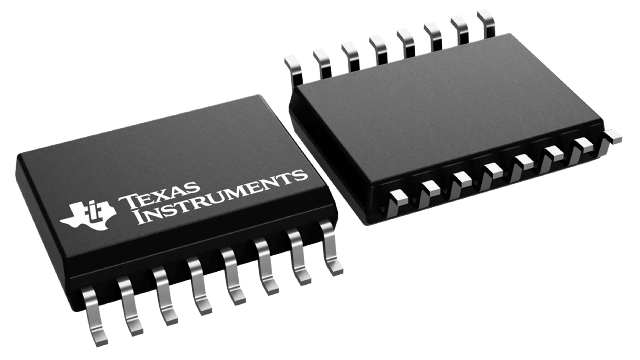
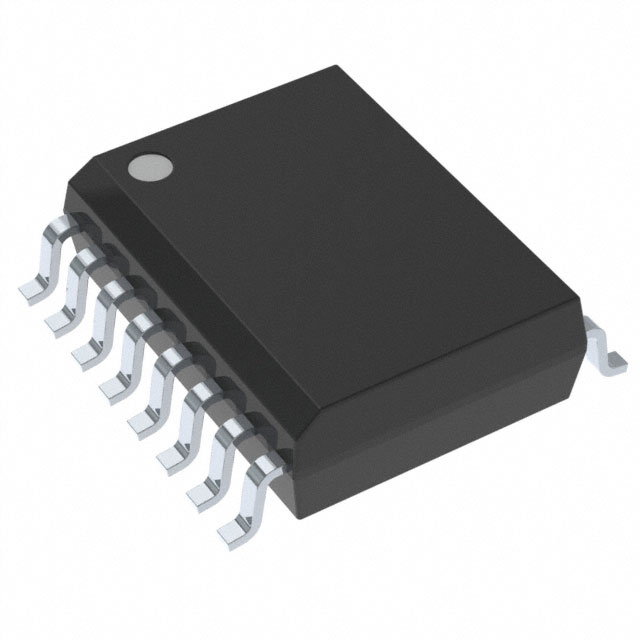
| Package / Case | 16-SOIC |
| Package / Case [x] | 0.295 in |
| Package / Case [y] | 7.5 mm |
| Supplier Device Package | 16-SOIC |
| Switch Circuit | SP4T |
| Switch Time (Ton, Toff) (Max) [custom] | 250 ns |
| Switch Time (Ton, Toff) (Max) [custom] | 200 ns |
| Voltage - Supply, Dual (V±) [Max] | 22 V |
| Voltage - Supply, Dual (V±) [Min] | -5 V |
Pricing
Prices provided here are for design reference only. For realtime values and availability, please visit the distributors directly
| Distributor | Package | Quantity | $ | |
|---|---|---|---|---|
| Digikey | Tube | 80 | $ 8.79 | |
Description
General part information
MPC509 Series
The MPC508A is an 8-channel single-ended analog multiplexer and the MPC509A is a 4-channel differential multiplexer.
The MPC508A and MPC509A multiplexers have input overvoltage protection. Analog input voltages may exceed either power supply voltage without damaging the device or disturbing the signal path of other channels. The protection circuitry assures that signal fidelity is maintained even under fault conditions that would destroy other multiplexers. Analog inputs can withstand 70Vppsignal levels and standard ESD tests. Signal sources are protected from short circuits should multiplexer power loss occur; each input presents a 1kresistance under this condition. Digital inputs can also sustain continuous faults up to 4V greater than either supply voltage.
These features make the MPC508A and MPC509A ideal for use in systems where the analog signals originate from external equipment or separately powered sources.
Documents
Technical documentation and resources
No documents available