LM61460EVM-FS-400K
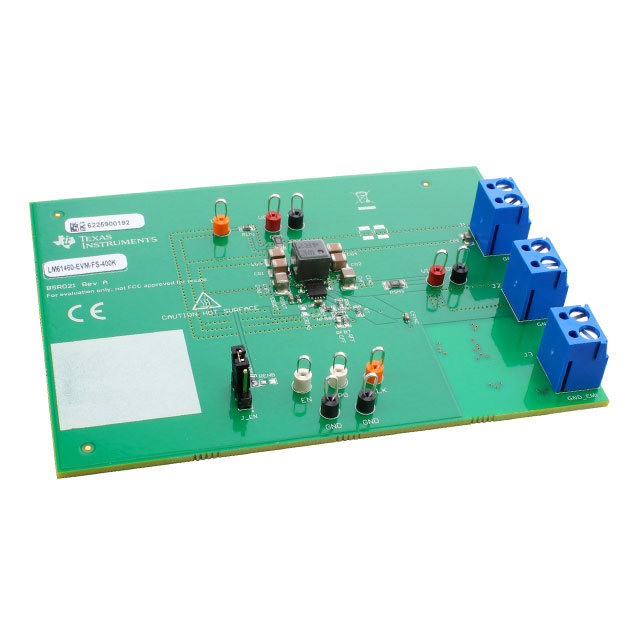
Active6A 400KHZ FPWM LM61460 EVM
Deep-Dive with AI
Search across all available documentation for this part.
LM61460EVM-FS-400K
Active6A 400KHZ FPWM LM61460 EVM
Deep-Dive with AI
Technical Specifications
Parameters and characteristics for this part
| Specification | LM61460EVM-FS-400K |
|---|---|
| Board Type | Fully Populated |
| Current - Output | 6 A |
| Frequency - Switching | 400 kHz |
| Main Purpose | DC/DC, Step Down |
| Outputs and Type | Non-Isolated |
| Outputs and Type | 1 |
| Regulator Topology | Buck |
| Supplied Contents | Board(s) |
| Utilized IC / Part | LM61460-Q1 |
| Voltage - Input [Max] | 36 V |
| Voltage - Input [Min] | 3 V |
| Voltage - Output | 5 V |
Pricing
Prices provided here are for design reference only. For realtime values and availability, please visit the distributors directly
| Distributor | Package | Quantity | $ | |
|---|---|---|---|---|
| Digikey | Box | 1 | $ 58.80 | |
Description
General part information
LM61460-Q1 Series
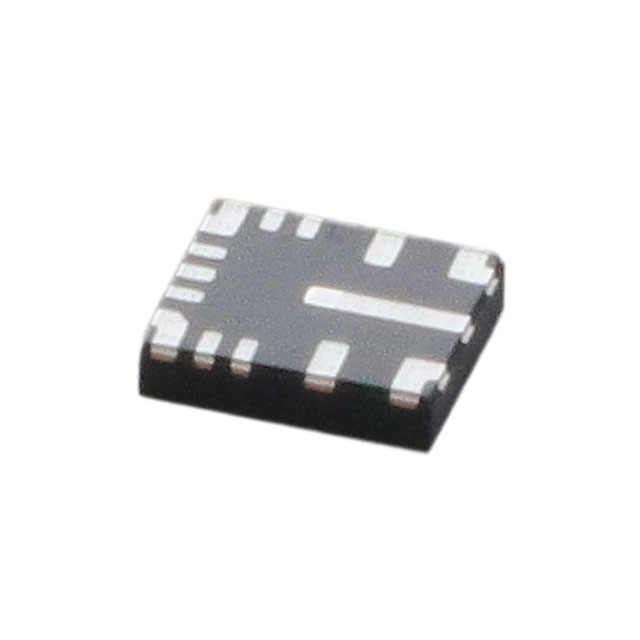
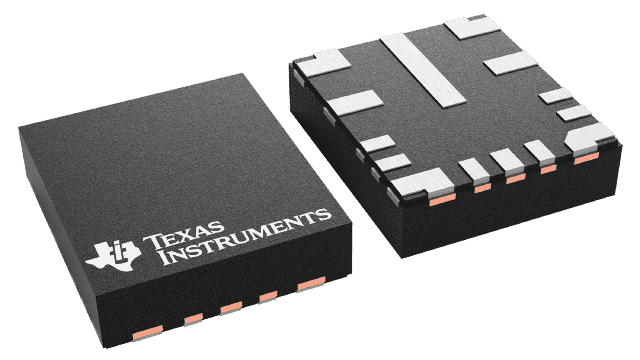
The LM61460-Q1 is an automotive-focused, high-performance, DC-DC synchronous step-down converter. With integrated high-side and low-side MOSFETs, up to 6 A of output current is delivered over a wide input range of 3.0 V to 36 V; tolerant of 42 V, easing input surge protection design. The LM61460-Q1 implements soft recovery from dropout eliminating overshoot on the output.
The LM61460-Q1 is specifically designed for minimal EMI. The device incorporates pseudo-random spread spectrum, adjustable SW node rise time, low-EMI VQFN-HR package featuring low switch node ringing, and optimized pinout for ease of use. The switching frequency can be set or synchronized between 200 kHz and 2.2 MHz to avoid noise sensitive frequency bands. In addition the frequency can be selected for improved efficiency at low operating frequency or smaller solution size at high operating frequency.
Auto-mode enables frequency foldback when operating at light loads, allowing an unloaded current consumption of only 7 µA (typical) and high light load efficiency. Seamless transition between PWM and PFM modes, along with very low MOSFET ON resistances and an external bias input, ensures exceptional efficiency across the entire load range.
Documents
Technical documentation and resources