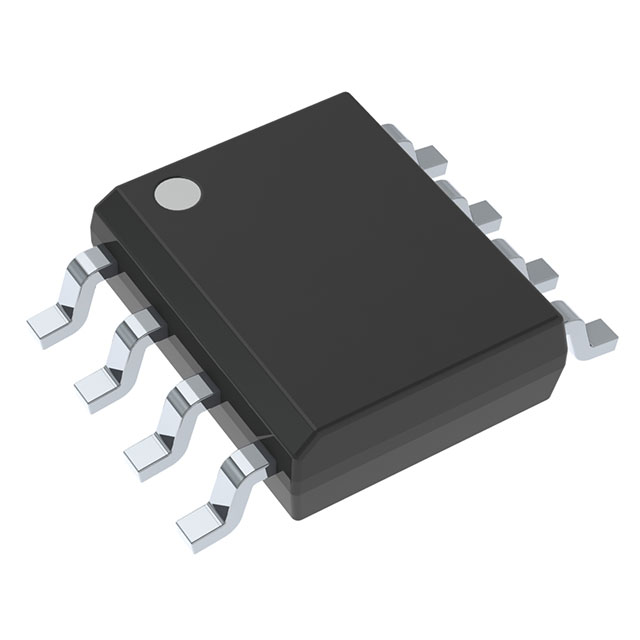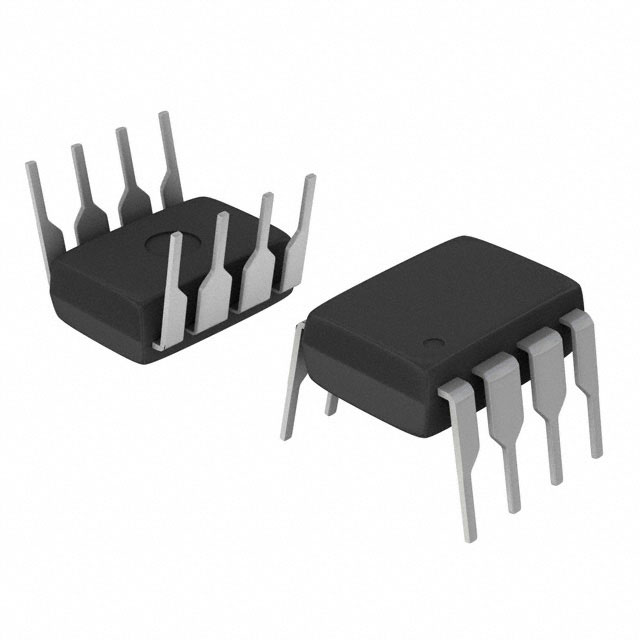
SN65HVD1794P
ObsoleteSINGLE TRANSMITTER/RECEIVER RS-485 8-PIN PDIP TUBE
Deep-Dive with AI
Search across all available documentation for this part.
SN65HVD1794P
ObsoleteSINGLE TRANSMITTER/RECEIVER RS-485 8-PIN PDIP TUBE
Deep-Dive with AI
Technical Specifications
Parameters and characteristics for this part
| Specification | SN65HVD1794P |
|---|---|
| Data Rate | 115 kbps |
| Duplex | Half |
| Mounting Type | Through Hole |
| Operating Temperature [Max] | 105 ░C |
| Operating Temperature [Min] | -40 °C |
| Package / Case | 0.3 in |
| Package / Case | 8-DIP |
| Package / Case | 7.62 mm |
| Protocol | RS422, RS485 |
| Receiver Hysteresis | 50 mV |
| Supplier Device Package | 8-PDIP |
| Type | Transceiver |
| Voltage - Supply [Max] | 5.5 V |
| Voltage - Supply [Min] | 4.5 V |
Pricing
Prices provided here are for design reference only. For realtime values and availability, please visit the distributors directly
| Distributor | Package | Quantity | $ | |
|---|---|---|---|---|
Description
General part information
SN65HVD1794 Series
These devices are designed to survive overvoltage faults such as direct shorts to power supplies, mis-wiring faults, connector failures, cable crushes, and tool mis-applications. They are also robust to ESD events, with high levels of protection to human-body model specifications.
These devices combine a differential driver and a differential receiver, which operate from a single power supply. The driver differential outputs and the receiver differential inputs are connected internally to for a bus port suitable for half-duplex (two-wire bus) communication. A cable invert pin (INV) allows active correction of mis-wires that may occur during installation. Upon detecting communication errors, the user can apply a logic HIGH to the INV pin, effectively inverting the polarity of the differential bus port, thereby correcting for the reversed bus wires.
These devices feature a wide common-mode voltage range, making them suitable for multi-point applications over long cable runs. These devices are characterized from –40°C to 105°C.
Documents
Technical documentation and resources
No documents available