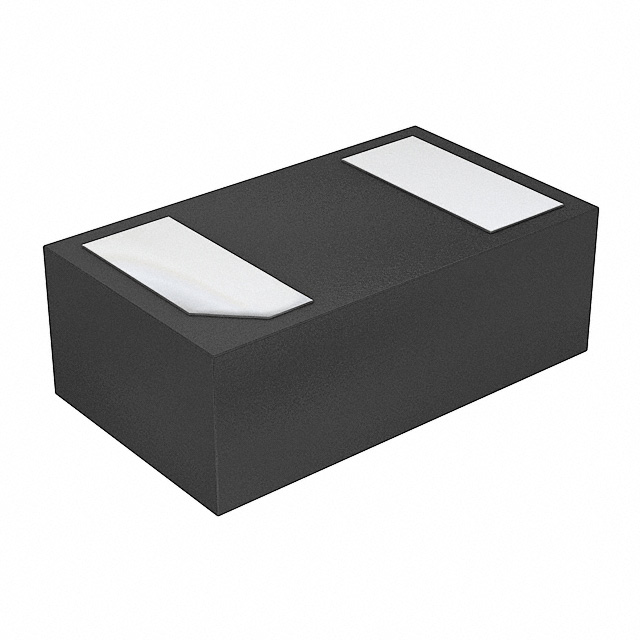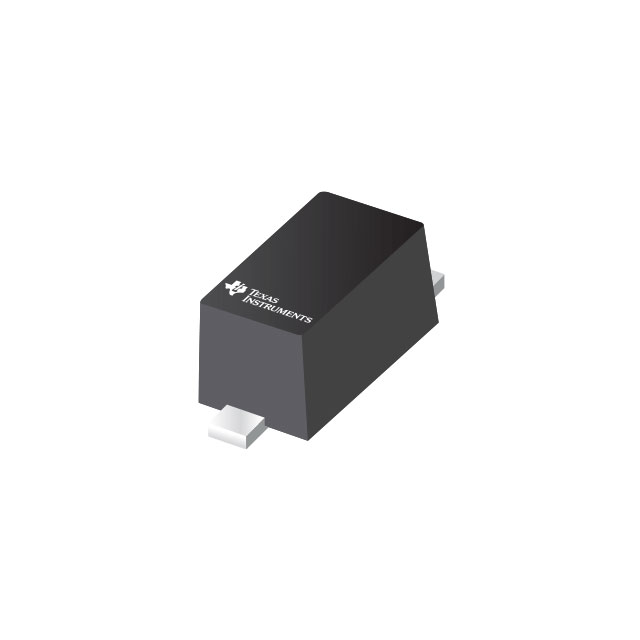
TMP6431QDYARQ1
ActiveAUTOMOTIVE, 1%, 47-KΩ LINEAR THERMISTOR IN 0402, 0603/0805 PACKAGES
Deep-Dive with AI
Search across all available documentation for this part.
TMP6431QDYARQ1
ActiveAUTOMOTIVE, 1%, 47-KΩ LINEAR THERMISTOR IN 0402, 0603/0805 PACKAGES
Deep-Dive with AI
Technical Specifications
Parameters and characteristics for this part
| Specification | TMP6431QDYARQ1 |
|---|---|
| Grade | Automotive |
| Mounting Type | Surface Mount |
| Operating Temperature [Max] | 125 °C |
| Operating Temperature [Min] | -40 °C |
| Package / Case | SC-79, SOD-523 |
| Qualification | AEC-Q100 |
| Resistance @ 25°C | 47 kOhms |
| Resistance Tolerance | 1 % |
| Supplier Device Package | SOT-5X3 |
Pricing
Prices provided here are for design reference only. For realtime values and availability, please visit the distributors directly
| Distributor | Package | Quantity | $ | |
|---|---|---|---|---|
| Digikey | Cut Tape (CT) | 1 | $ 0.33 | |
| 10 | $ 0.28 | |||
| 25 | $ 0.25 | |||
| 50 | $ 0.23 | |||
| 100 | $ 0.20 | |||
| 500 | $ 0.17 | |||
| 1000 | $ 0.14 | |||
| Digi-Reel® | 1 | $ 0.33 | ||
| 10 | $ 0.28 | |||
| 25 | $ 0.25 | |||
| 50 | $ 0.23 | |||
| 100 | $ 0.20 | |||
| 500 | $ 0.17 | |||
| 1000 | $ 0.14 | |||
| Tape & Reel (TR) | 3000 | $ 0.10 | ||
| Texas Instruments | LARGE T&R | 1 | $ 0.18 | |
| 100 | $ 0.11 | |||
| 250 | $ 0.09 | |||
| 1000 | $ 0.06 | |||
Description
General part information
TMP6431 Series
Get started today with theThermistor Design Tool, offering complete resistance vs temperature table (R-T table) computation, other helpful methods to derive temperature and example C-code.
Linear thermistors offer linearity and consistent sensitivity across temperature to enable simple and accurate methods for temperature conversion. Low power consumption and a small thermal mass minimize the impact of self-heating. With built-in failsafe behavior at high temperatures and powerful immunity to environmental variation, these devices are designed for a long lifetime of high performance. The small size of the TMP6 series also allows for close placement to heat sources and quick response times.
Take advantage of benefits over NTC thermistors such as no extra linearization circuitry, minimized calibration, less resistance tolerance variation, larger sensitivity at high temperatures, and simplified conversion methods to save time and memory in the processor.
Documents
Technical documentation and resources