Deep-Dive with AI
Search across all available documentation for this part.
Deep-Dive with AI
Technical Specifications
Parameters and characteristics for this part
| Specification | BQ24751BRHDRG4 |
|---|---|
| Battery Chemistry | Multi-Chemistry |
| Battery Pack Voltage | 18.048 V |
| Charge Current - Max [Max] | 10 A |
| Current - Charging | Constant - Programmable |
| Fault Protection | Over Current, Over Voltage |
| Mounting Type | Surface Mount |
| Number of Cells [Max] | 4 |
| Number of Cells [Min] | 2 cells |
| Operating Temperature [Max] | 125 ¯C |
| Operating Temperature [Min] | -40 °C |
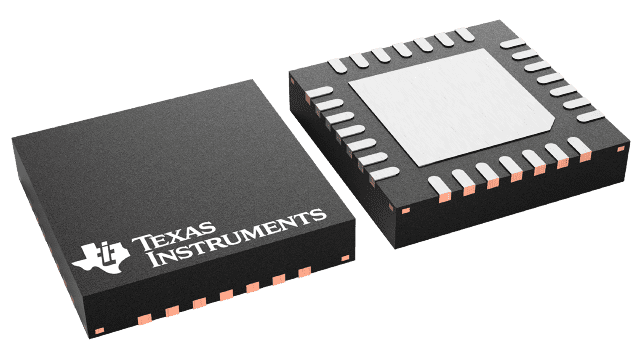
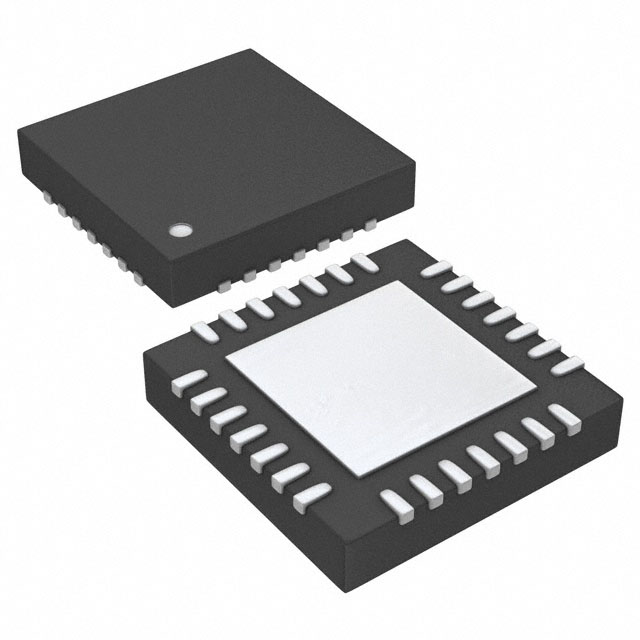
| Package / Case | 28-VFQFN Exposed Pad |
| Supplier Device Package | 28-VQFN (5x5) |
| Voltage - Supply (Max) [Max] | 24 V |
Pricing
Prices provided here are for design reference only. For realtime values and availability, please visit the distributors directly
Description
General part information
BQ24751A Series
The bq24751A is a high-efficiency, synchronous battery charger with integrated compensation and system power selector logic, offering low component count for space-constrained multi-chemistry battery charging applications. Ratiometric charge current and voltage programming allows very high regulation accuracies, and can be either hardwired with resistors or programmed by the system power-management microcontroller using a DAC or GPIOs.
The bq24751A charges two, three, or four series Li+ cells, supporting up to 10 A of charge current, and is available in a 28-pin, 5x5-mm thin QFN package.
The bq24751A controls external switches to prevent battery discharge back to the input, connect the adapter to the system, and to connect the battery to the system using 6-V gate drives for better system efficiency. For maximum system safety, inrush-power limiting provides instantaneous response to high input voltage multiplied by current. This AC Over-Power protection (ACOP) feature limits the input-switch power to the programmed level on the ACOP pin, and latches off if the high-power condition persists to prevent overheating.
Documents
Technical documentation and resources
No documents available