Deep-Dive with AI
Search across all available documentation for this part.
Deep-Dive with AI
Technical Specifications
Parameters and characteristics for this part
| Specification | MSP430F122IDWR |
|---|---|
| Connectivity | SPI, UART/USART |
| Core Processor | MSP430 CPU16 |
| Core Size | 16-Bit |
| Data Converters | Slope A/D |
| Mounting Type | Surface Mount |
| Number of I/O | 22 |
| Operating Temperature [Max] | 85 °C |
| Operating Temperature [Min] | -40 °C |
| Oscillator Type | Internal |
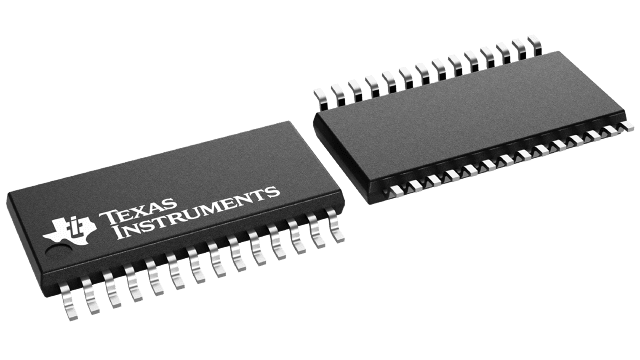
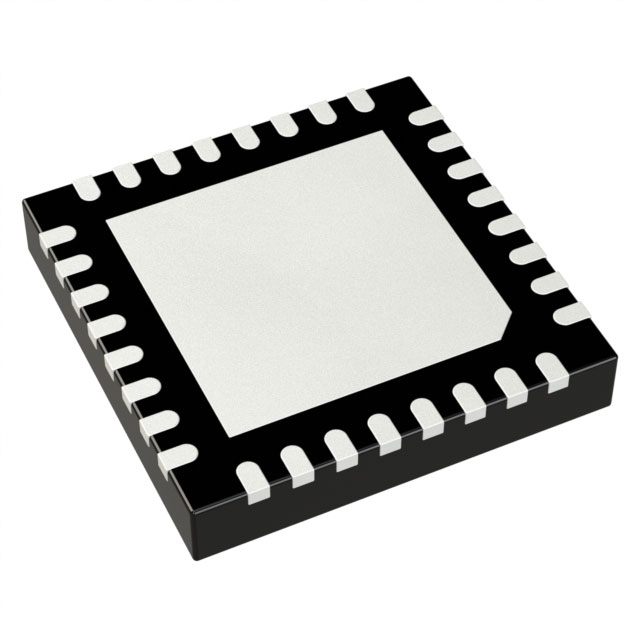
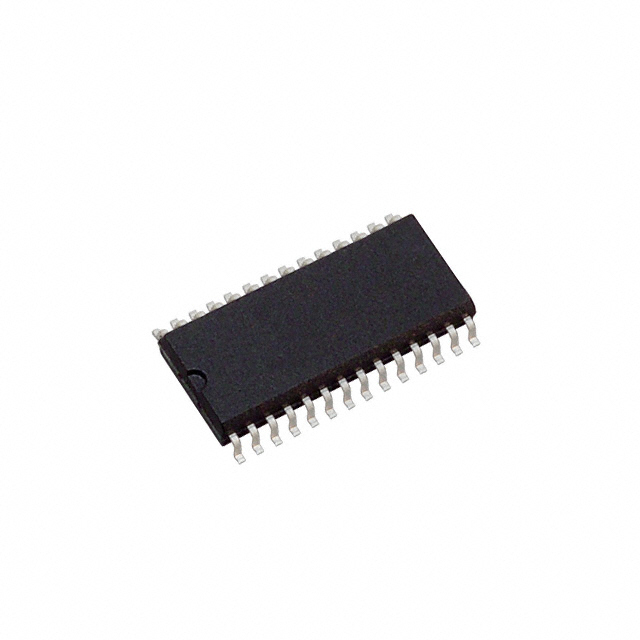
| Package / Case | 28-SOIC |
| Package / Case [x] | 0.295 in |
| Package / Case [y] | 7.5 mm |
| Peripherals | POR, PWM, WDT |
| Program Memory Size | 4 KB |
| Program Memory Type | FLASH |
| RAM Size | 256 x 8 |
| Speed | 8 MHz |
| Supplier Device Package | 28-SOIC |
| Voltage - Supply (Vcc/Vdd) [Max] | 3.6 V |
| Voltage - Supply (Vcc/Vdd) [Min] | 1.8 V |
Pricing
Prices provided here are for design reference only. For realtime values and availability, please visit the distributors directly
| Distributor | Package | Quantity | $ | |
|---|---|---|---|---|
Description
General part information
MSP430F122 Series
The Texas Instruments MSP430 family of ultralow power microcontrollers consist of several devices featuring different sets of peripherals targeted for various applications. The architecture, combined with five low power modes is optimized to achieve extended battery life in portable measurement applications. The device features a powerful 16-bit RISC CPU, 16-bit registers, and constant generators that attribute to maximum code efficiency. The digitally controlled oscillator (DCO) allows wake-up from low-power modes to active mode in less than 6µs.
The MSP430F12x series is an ultralow-power mixed signal microcontroller with a built-in 16-bit timer and twenty-two I/O pins.The MSP430F12x series also has a built-in communication capability using asynchronous (UART) and synchronous (SPI) protocols in addition to a versatile analog comparator.
Typical applications include sensor systems that capture analog signals, convert them to digital values, and then process the data and display them or transmit them to a host system. Stand alone RF sensor front end is another area of application. The I/O port inputs provide single slope A/D conversion capability on resistive sensors.
Documents
Technical documentation and resources
No documents available