LMH1980MMEVAL/NOPB
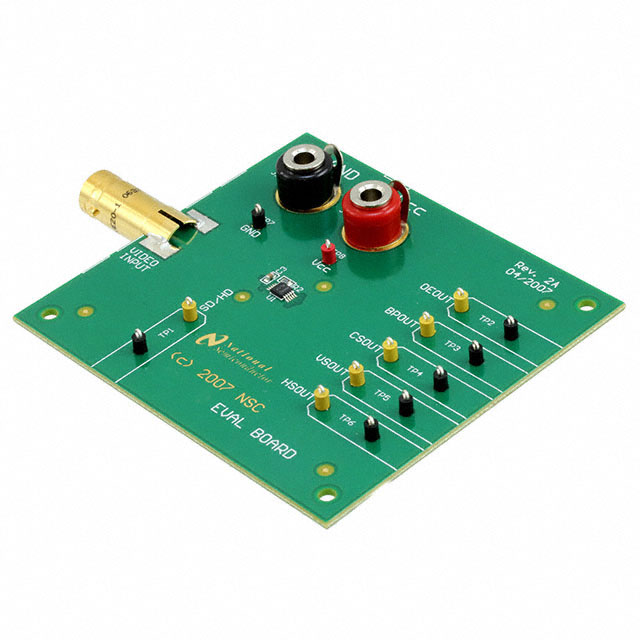
ActiveEVAL BOARD FOR LMH19980MM
Deep-Dive with AI
Search across all available documentation for this part.
LMH1980MMEVAL/NOPB
ActiveEVAL BOARD FOR LMH19980MM
Deep-Dive with AI
Technical Specifications
Parameters and characteristics for this part
| Specification | LMH1980MMEVAL/NOPB |
|---|---|
| Function | Video Processing |
| Supplied Contents | Board(s) |
| Type | Video |
| Utilized IC / Part | LMH1980 |
Pricing
Prices provided here are for design reference only. For realtime values and availability, please visit the distributors directly
| Distributor | Package | Quantity | $ | |
|---|---|---|---|---|
| Digikey | Box | 1 | $ 90.00 | |
Description
General part information
LMH1980 Series
The LMH1980 is an auto-detecting SD/HD/PC video sync separator ideal for use in a wide range of video applications, such as automotive LCD monitors, video capture & editing devices, surveillance & security equipment, and machine vision and inspection systems.
The LMH1980 accepts an analog video input signal with either bi-level or tri-level sync and automatically detects the video format, eliminating the need for external RSETresistor adjustment required by other sync separators (e.g.: LM1881). The outputs provide timing signals in CMOS logic, including Composite, Horizontal, and Vertical Syncs, Burst/Back Porch Timing, and Odd/Even Field outputs. TheHDflag output (pin 5) provides a logic low signal only when a valid HD video input with tri-level sync is detected. TheHDflag can be used to disable an external switch-controlled SD chroma filter when HD video is detected, or enable it when SD video is detected. For non-standard video with bi-level sync and without vertical serration pulses, a default vertical sync pulse will be output and no horizontal sync pulses will be output during the vertical sync interval.
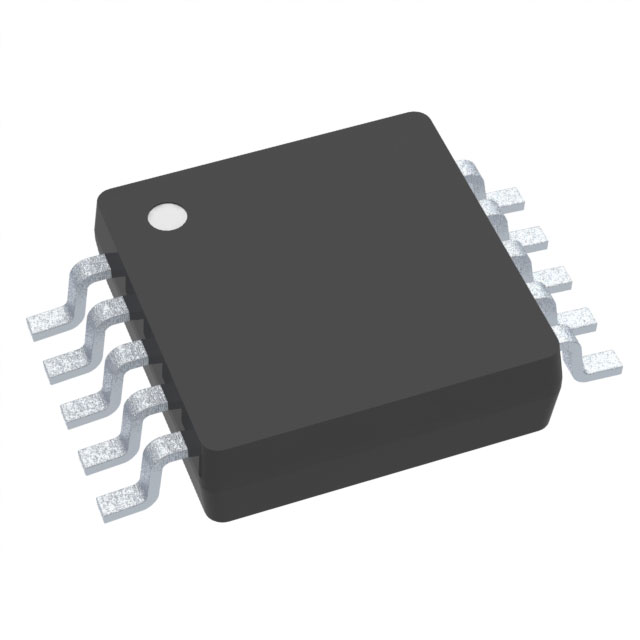
The LMH1980 is available in a space-saving 10-lead Mini-SO Package (VSSOP) and operates over a temperature range of −40°C to +85°C.
Documents
Technical documentation and resources
No documents available