Integrated Circuits (ICs)
74HC4066BQ-Q100,11
ActiveNexperia USA Inc.
QUAD SINGLE-POLE SINGLE-THROW ANALOG SWITCH
Deep-Dive with AI
Search across all available documentation for this part.
Integrated Circuits (ICs)
74HC4066BQ-Q100,11
ActiveNexperia USA Inc.
QUAD SINGLE-POLE SINGLE-THROW ANALOG SWITCH
Deep-Dive with AI
Technical Specifications
Parameters and characteristics for this part
| Specification | 74HC4066BQ-Q100,11 |
|---|---|
| -3db Bandwidth | 200 MHz |
| Channel Capacitance (CS(off), CD(off)) | 3.5 pF |
| Channel-to-Channel Matching (ΔRon) | 3 Ohm |
| Crosstalk | -60 dB |
| Current - Leakage (IS(off)) (Max) | 1 µA |
| Grade | Automotive |
| Mounting Type | Surface Mount |
| Multiplexer/Demultiplexer Circuit | 1:1 |
| Number of Circuits | 4 |
| On-State Resistance (Max) [Max] | 95 Ohm |
| Operating Temperature [Max] | 125 °C |
| Operating Temperature [Min] | -40 °C |
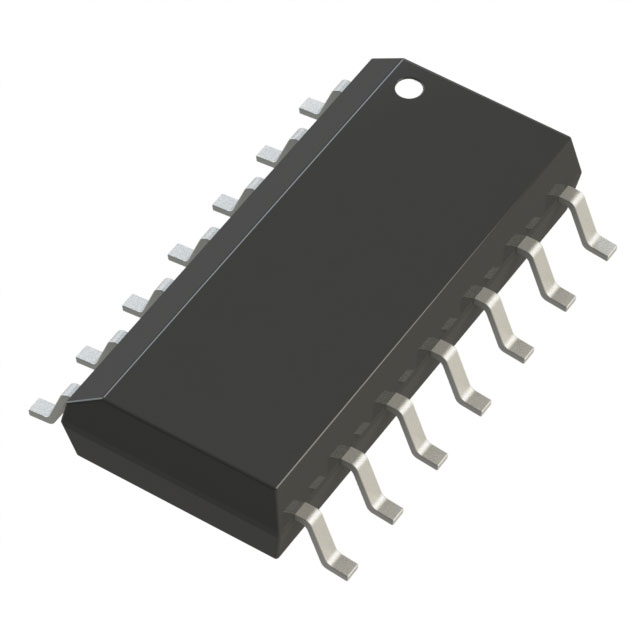
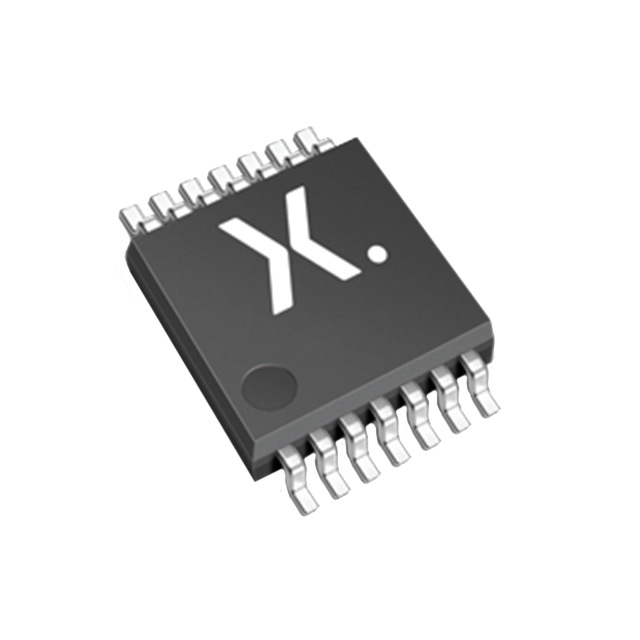
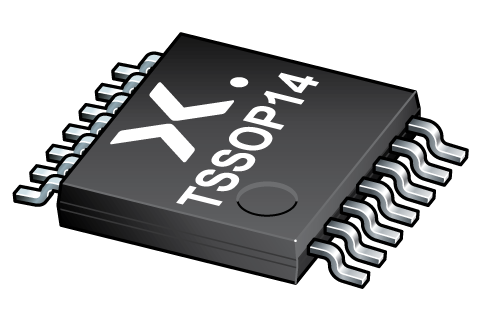
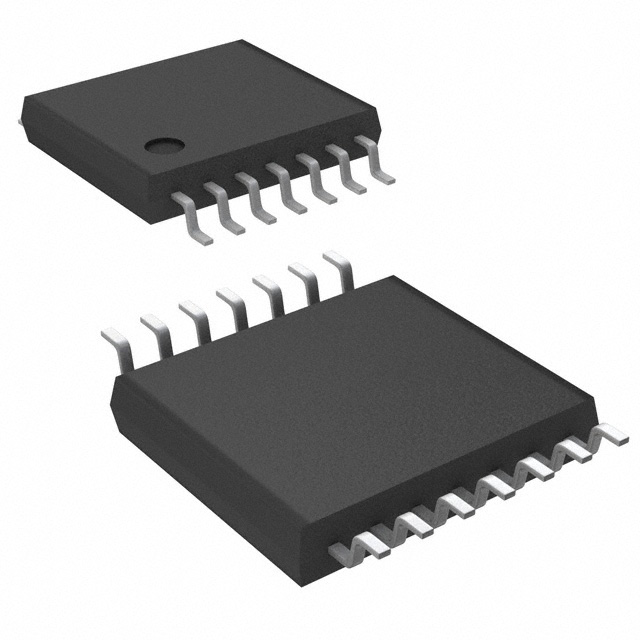
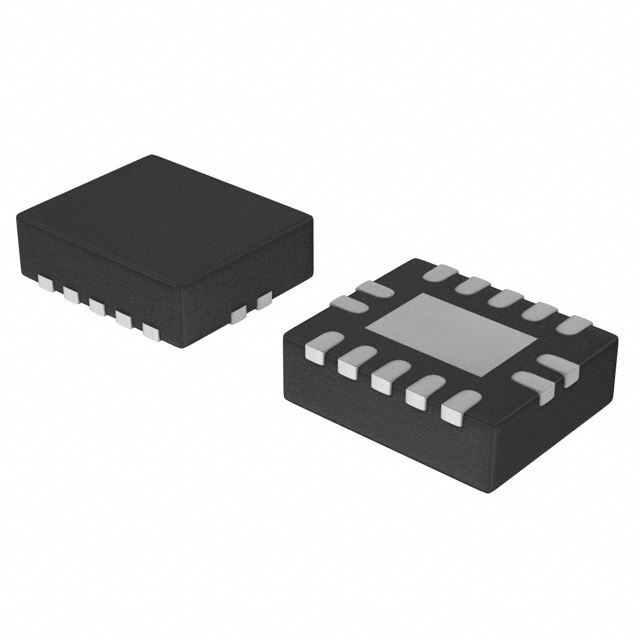
| Package / Case | 14-VFQFN Exposed Pad |
| Qualification | AEC-Q100 |
| Supplier Device Package | 14-DHVQFN (2.5x3) |
| Switch Circuit | SPST - NO |
| Switch Time (Ton, Toff) (Max) [custom] | 30 ns |
| Switch Time (Ton, Toff) (Max) [custom] | 20 ns |
| Voltage - Supply, Single (V+) [Max] | 10 V |
| Voltage - Supply, Single (V+) [Min] | 2 V |
Pricing
Prices provided here are for design reference only. For realtime values and availability, please visit the distributors directly
| Distributor | Package | Quantity | $ | |
|---|---|---|---|---|
| Digikey | Cut Tape (CT) | 1 | $ 0.44 | |
| 10 | $ 0.38 | |||
| 25 | $ 0.35 | |||
| 100 | $ 0.28 | |||
| 250 | $ 0.26 | |||
| 500 | $ 0.22 | |||
| 1000 | $ 0.17 | |||
| Digi-Reel® | 1 | $ 0.44 | ||
| 10 | $ 0.38 | |||
| 25 | $ 0.35 | |||
| 100 | $ 0.28 | |||
| 250 | $ 0.26 | |||
| 500 | $ 0.22 | |||
| 1000 | $ 0.17 | |||
| N/A | 0 | $ 0.40 | ||
| Tape & Reel (TR) | 3000 | $ 0.11 | ||
Description
General part information
74HC4066 Series
The 74HC4066-Q100; 74HCT4066-Q100 is a quad single pole, single throw analog switch. Each switch features two input/output terminals (nY and nZ) and an active HIGH enable input (nE). When nE is LOW, the analog switch is turned off. Inputs include clamp diodes. This enables the use of current limiting resistors to interface inputs to voltages in excess of VCC.
Documents
Technical documentation and resources