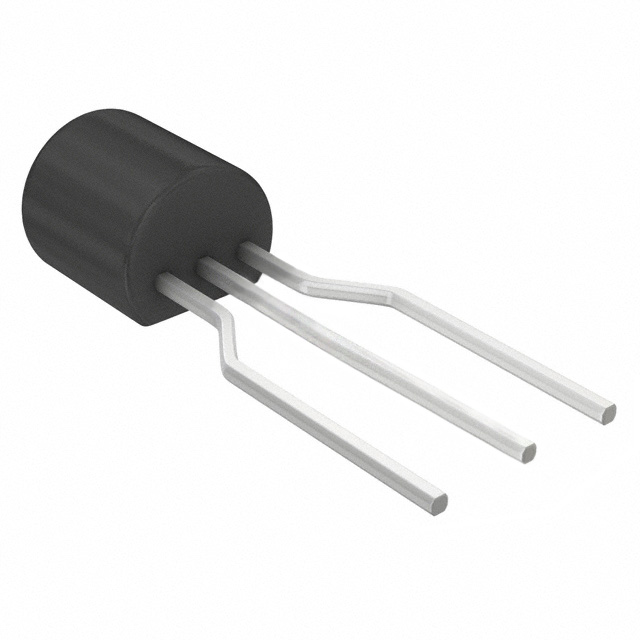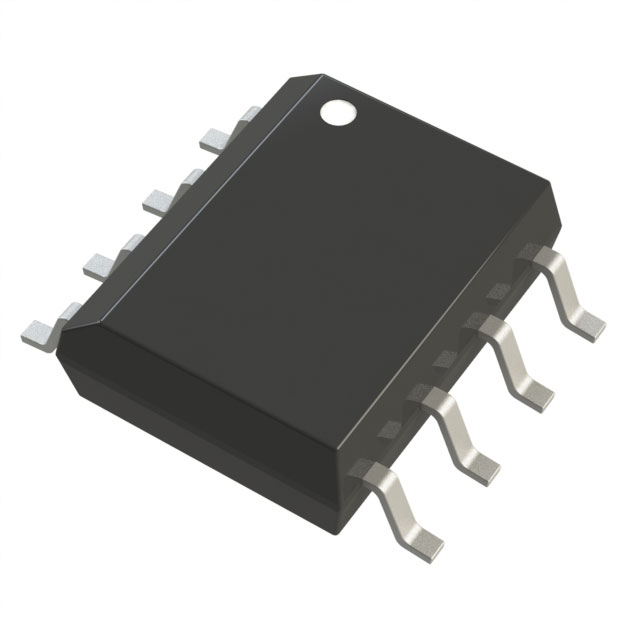
MC79L12ABDR2G
ActiveLINEAR VOLTAGE REGULATOR, 100 MA, 5 V, NEGATIVE
Deep-Dive with AI
Search across all available documentation for this part.
MC79L12ABDR2G
ActiveLINEAR VOLTAGE REGULATOR, 100 MA, 5 V, NEGATIVE
Deep-Dive with AI
Technical Specifications
Parameters and characteristics for this part
| Specification | MC79L12ABDR2G |
|---|---|
| Current - Output | 100 mA |
| Mounting Type | Surface Mount |
| Number of Regulators | 1 |
| Operating Temperature [Max] | 125 °C |
| Operating Temperature [Min] | -40 °C |
| Output Configuration | Negative |
| Output Type | 1.81 mOhm |
| Package / Case | 8-SOIC |
| Package / Case [x] | 0.154 in |
| Package / Case [y] | 3.9 mm |
| PSRR | 42 dB |
| Supplier Device Package | 8-SOIC |
| Voltage - Input (Max) [Max] | -35 V |
| Voltage - Output (Min/Fixed) | -12 V |
| Voltage Dropout (Max) [Max] | 1.7 V |
Pricing
Prices provided here are for design reference only. For realtime values and availability, please visit the distributors directly
| Distributor | Package | Quantity | $ | |
|---|---|---|---|---|
| Digikey | Cut Tape (CT) | 1 | $ 0.50 | |
| 10 | $ 0.43 | |||
| 25 | $ 0.40 | |||
| 100 | $ 0.30 | |||
| 250 | $ 0.25 | |||
| 500 | $ 0.24 | |||
| 1000 | $ 0.18 | |||
| Digi-Reel® | 1 | $ 0.50 | ||
| 10 | $ 0.43 | |||
| 25 | $ 0.40 | |||
| 100 | $ 0.30 | |||
| 250 | $ 0.25 | |||
| 500 | $ 0.24 | |||
| 1000 | $ 0.18 | |||
| Tape & Reel (TR) | 2500 | $ 0.17 | ||
| 5000 | $ 0.15 | |||
| 12500 | $ 0.15 | |||
| 25000 | $ 0.14 | |||
| 62500 | $ 0.14 | |||
| Newark | Each (Supplied on Cut Tape) | 1 | $ 0.43 | |
| 10 | $ 0.41 | |||
| 25 | $ 0.36 | |||
| 50 | $ 0.32 | |||
| 100 | $ 0.27 | |||
| 250 | $ 0.27 | |||
| 500 | $ 0.27 | |||
| 1000 | $ 0.23 | |||
| ON Semiconductor | N/A | 1 | $ 0.10 | |
Description
General part information
MC79L24 Series
The MC79L00 negative linear voltage regulator is an inexpensive, easy-to-use device suitable for numerous applications requiring up to 100 mA. Like the higher powered MC7900 Series negative regulators, this linear voltage regulator features thermal shutdown and current limiting, making it remarkably rugged. In most applications, no external components are required for operation.The MC79L00 linear voltage regulator is useful for on-card regulation or any other application where a regulated negative voltage at a modest current level is needed. This regulator offers substantial advantages over the common resistor/zener diode approach.
Documents
Technical documentation and resources