Deep-Dive with AI
Search across all available documentation for this part.
Deep-Dive with AI
Technical Specifications
Parameters and characteristics for this part
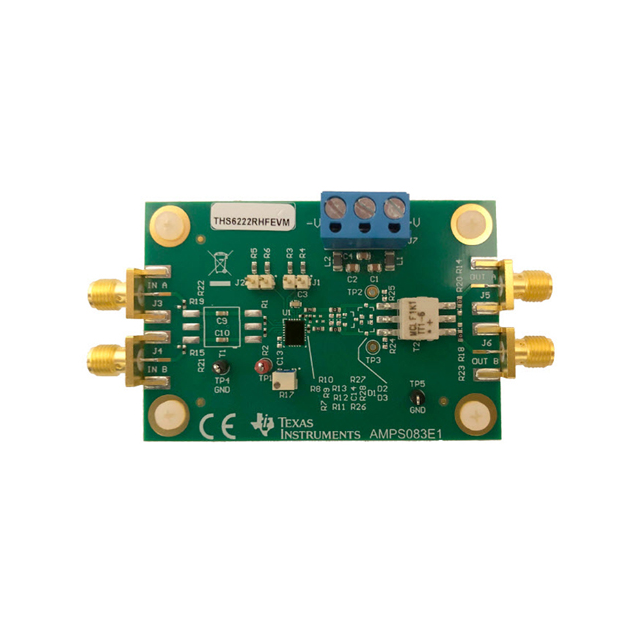
| Specification | THS6222RHFEVM |
|---|---|
| Function | Line Driver |
| Supplied Contents | Board(s) |
| Type | Interface |
| Utilized IC / Part | THS6222 |
Pricing
Prices provided here are for design reference only. For realtime values and availability, please visit the distributors directly
| Distributor | Package | Quantity | $ | |
|---|---|---|---|---|
| Digikey | Box | 1 | $ 118.80 | |
Description
General part information
THS6222 Series
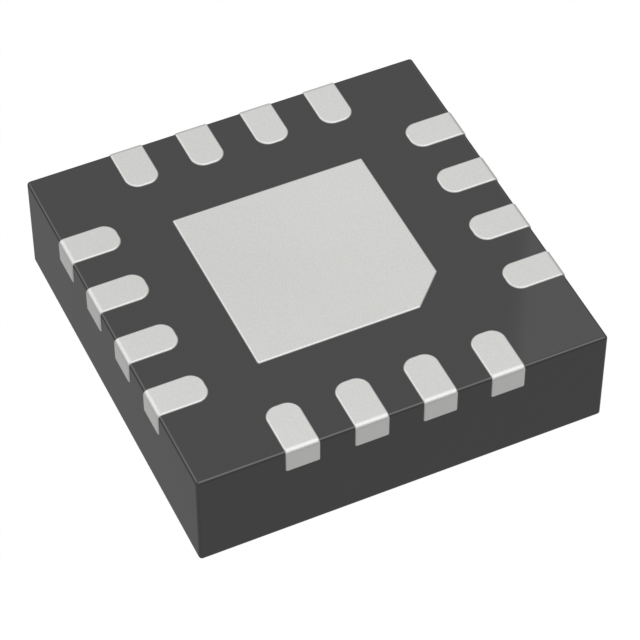
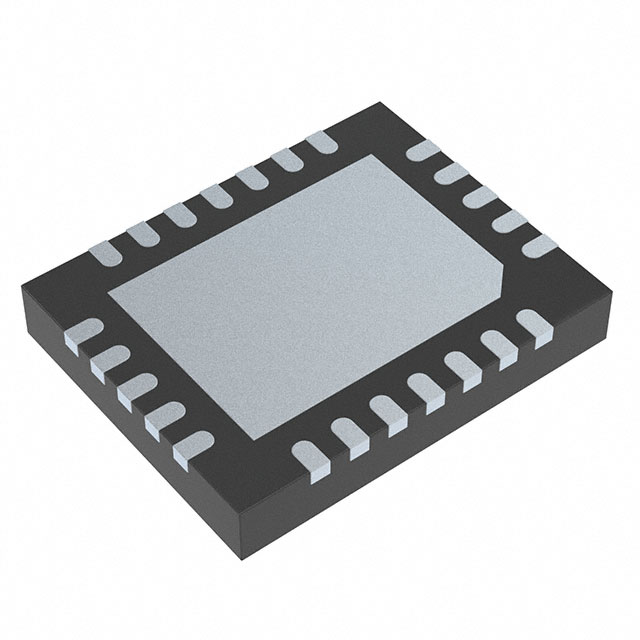
The THS6222 is a differential line-driver amplifier with a current-feedback architecture manufactured using Texas Instruments’ proprietary, high-speed, silicon-germanium (SiGe) process. The device is targeted for use in broadband, high-speed, power line communications (HPLC, IEEE 1901.1) line driver applications that require high linearity when driving heavy line loads. The THS6222 supports PLC standards including G3, PRIME, ISO 15118 (HPGP), G.hn and PRIME BPL. Common modulation schema: OOK, FSK, OFDM.
The unique architecture of the THS6222 uses minimal quiescent current while achieving very high linearity. The amplifier has an adjustable current pin (IADJ) that sets the nominal current consumption along with the multiple bias modes that allow for enhanced power savings where the full performance of the amplifier is not required. Shutdown bias mode provides further power savings during receive mode in time division multiplexed (TDM) systems while maintaining high output impedance. The integrated midsupply common-mode buffer eliminates external components, reducing system cost and board space.
The wide output swing of 57VPP (100Ω load) with 32V power supplies, coupled with over 650mA of current drive (25Ω load), allows for wide dynamic range that keeps distortion minimal.
Documents
Technical documentation and resources