DS90UA101TRTVTQ1
ActiveAUTOMOTIVE MULTI-CHANNEL DIGITAL AUDIO SERIALIZER
Deep-Dive with AI
Search across all available documentation for this part.
DS90UA101TRTVTQ1
ActiveAUTOMOTIVE MULTI-CHANNEL DIGITAL AUDIO SERIALIZER
Technical Specifications
Parameters and characteristics for this part
| Specification | DS90UA101TRTVTQ1 |
|---|---|
| Data Rate | 600 Mbps |
| Function | Serializer |
| Grade | Automotive |
| Input Type | LVCMOS |
| Mounting Type | Surface Mount |
| Number of Inputs | 4 |
| Number of Outputs | 1 |
| Operating Temperature [Max] | 105 °C |
| Operating Temperature [Min] | -40 °C |
| Output Type | FPD-Link III, LVDS |
| Qualification | AEC-Q100 |
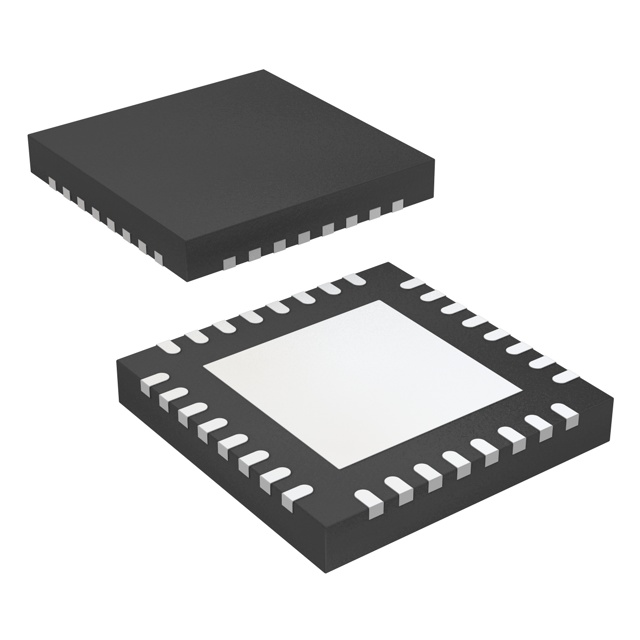
| Supplier Device Package | 32-WQFN (5x5) |
| Voltage - Supply [Max] | 1.89 V |
| Voltage - Supply [Min] | 1.71 V |
Pricing
Prices provided here are for design reference only. For realtime values and availability, please visit the distributors directly
| Distributor | Package | Quantity | $ | |
|---|---|---|---|---|
| Digikey | Tape & Reel (TR) | 250 | $ 8.96 | |
| 500 | $ 8.38 | |||
| 1250 | $ 7.69 | |||
| Texas Instruments | SMALL T&R | 1 | $ 9.50 | |
| 100 | $ 8.30 | |||
| 250 | $ 6.40 | |||
| 1000 | $ 5.72 | |||
Description
General part information
DS90UA101-Q1 Series
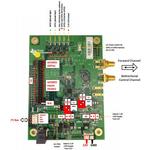
The DS90UA101-Q1 Serializer, in conjunction with the DS90UA102-Q1 Deserializer, provides a solution for distribution of digital audio in multi-channel audio systems. It transmits a high-speed serialized interface with an embedded clock over a single shielded twisted pair or coaxial cable. The serial bus scheme supports high speed forward data transmission and low speed bidirectional control channel over the link. Consolidation of digital audio, general-purpose IO, and control signals over a single differential pair reduces the interconnect size and weight, while also reducing design challenges related to skew and system latency.
The DS90UA101-Q1 Serializer embeds the clock and level shifts the signals to high-speed low-voltage differential signaling. The device serializes up to eight digital audio data inputs, word/frame sync, bit clock, and system clock.
Four dedicated general purpose input pins and four general purpose output pins allow flexible implementation of control and interrupt signals to and from remote devices.