Deep-Dive with AI
Search across all available documentation for this part.
Deep-Dive with AI
Technical Specifications
Parameters and characteristics for this part
| Specification | PCF8575PWRE4 |
|---|---|
| Clock Frequency | 400 kHz |
| Current - Output Source/Sink | 1 mA, 25 mA |
| Features | POR |
| Interface | I2C, SMBus |
| Interrupt Output | True |
| Mounting Type | Surface Mount |
| Number of I/O | 16 |
| Operating Temperature [Max] | 85 °C |
| Operating Temperature [Min] | -40 °C |
| Output Type | Push-Pull |
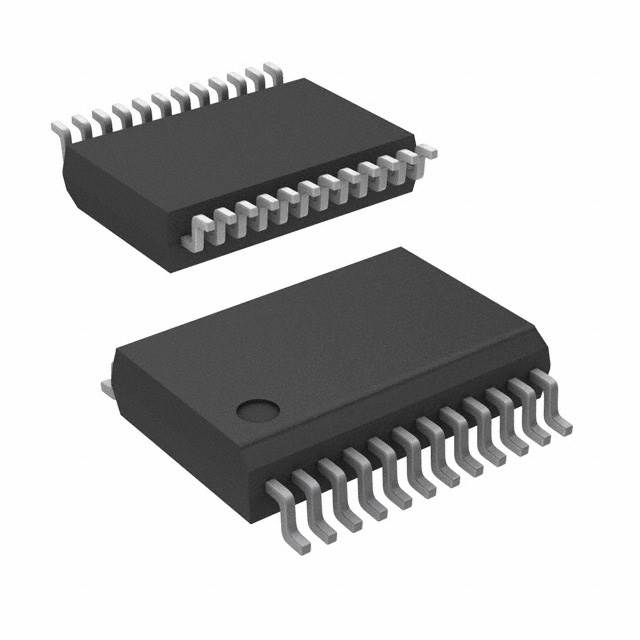
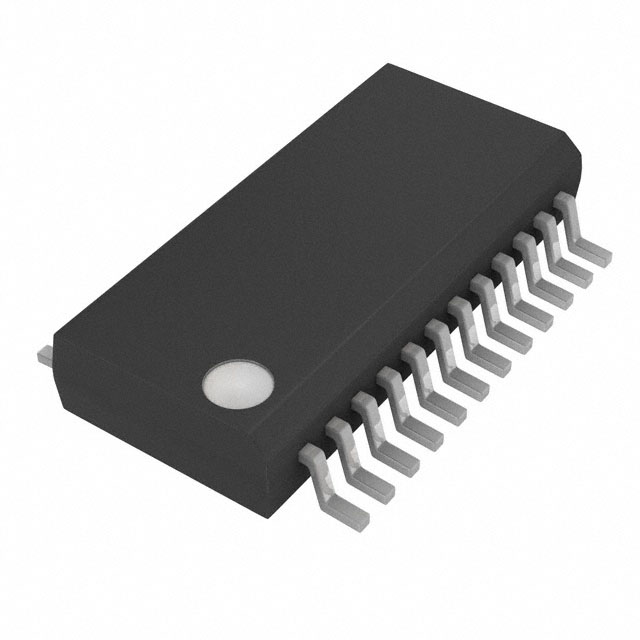
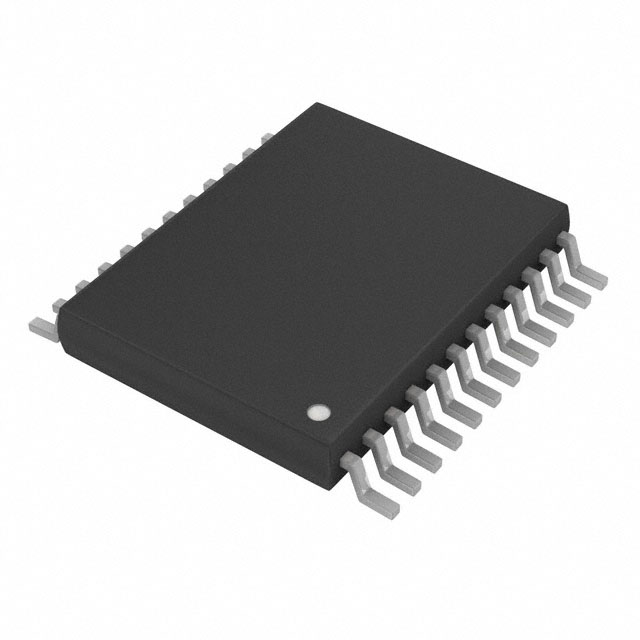
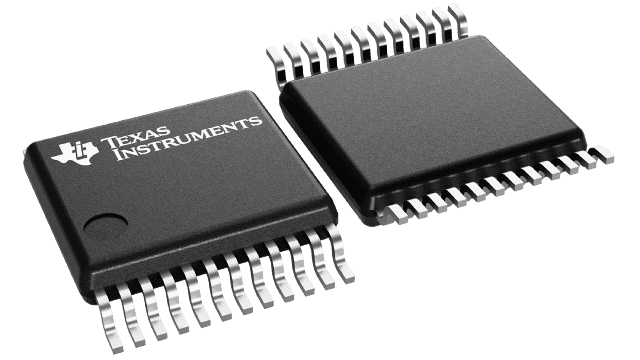
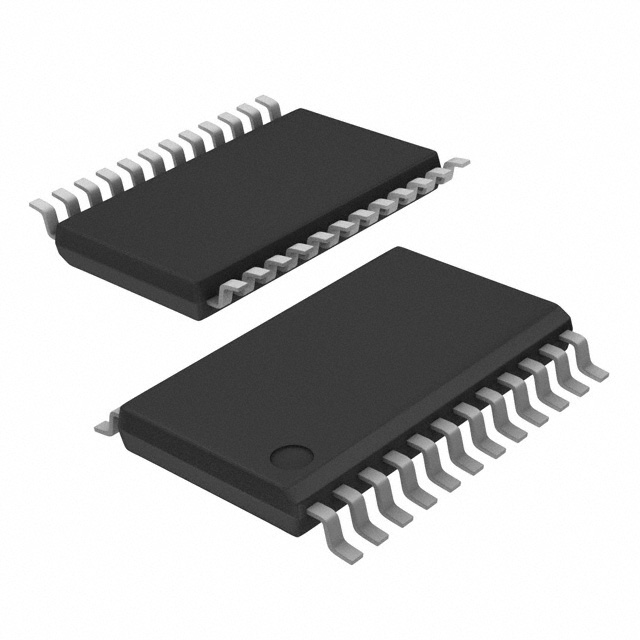
| Package / Case | 24-TSSOP |
| Package / Case | 0.173 in, 4.4 mm |
| Supplier Device Package | 24-TSSOP |
| Voltage - Supply [Max] | 5.5 V |
| Voltage - Supply [Min] | 2.5 V |
Pricing
Prices provided here are for design reference only. For realtime values and availability, please visit the distributors directly
| Distributor | Package | Quantity | $ | |
|---|---|---|---|---|
| Digikey | Tape & Reel (TR) | 2000 | $ 1.12 | |
| 6000 | $ 1.08 | |||
Description
General part information
PCF8575C Series
This 16-bit I/O expander for the two-line bidirectional bus (I2C) is designed for 4.5-V to 5.5-V VCCoperation.
The PCF8575C provides general-purpose remote I/O expansion for most microcontroller families via the I2C interface serial clock (SCL) and serial data (SDA).
The device features a 16-bit quasi-bidirectional input/output (I/O) port (P07–P00, P17–P10), including latched outputs with high-current drive capability for directly driving LEDs. Each quasi-bidirectional I/O can be used as an input or output without the use of a data-direction control signal. At power on, the I/Os are in 3-state mode. The strong pullup to VCCallows fast-rising edges into heavily loaded outputs. This device turns on when an output is written high and is switched off by the negative edge of SCL. The I/Os should be high before being used as inputs. After power on, as all the I/Os are set to 3-state, all of them can be used as inputs. Any change in setting of the I/Os as either inputs or outputs can be done with the write mode. If a high is applied externally to an I/O that has been written earlier to low, a large current (IOL) flows to GND.
Documents
Technical documentation and resources
No documents available