


Deep-Dive with AI
Search across all available documentation for this part.
Deep-Dive with AI
Technical Specifications
Parameters and characteristics for this part
| Specification | NE556D |
|---|---|
| Current - Supply | 20 mA |
| Frequency | 100 kHz |
| Mounting Type | Surface Mount |
| Operating Temperature [Max] | 70 °C |
| Operating Temperature [Min] | 0 °C |
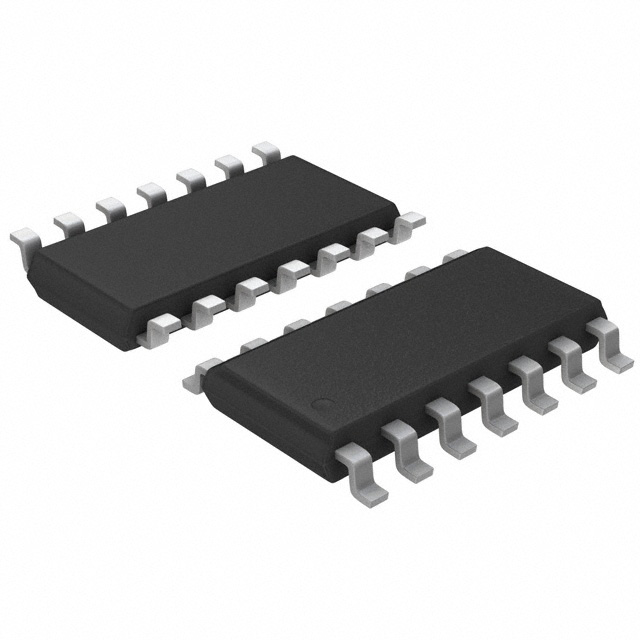
| Package / Case | 14-SOIC |
| Package / Case [x] | 0.154 in |
| Package / Case [y] | 3.9 mm |
| Type | 555 Type, Timer/Oscillator (Dual) |
| Voltage - Supply [Max] | 16 V |
| Voltage - Supply [Min] | 4.5 V |
NE556 Series
Dual precision timer
| Part | Voltage - Supply [Min] | Voltage - Supply [Max] | Package / Case [x] | Package / Case [y] | Package / Case | Type | Operating Temperature [Max] | Operating Temperature [Min] | Frequency | Mounting Type | Current - Supply | Supplier Device Package | Package / Case | Package / Case |
|---|---|---|---|---|---|---|---|---|---|---|---|---|---|---|
Texas Instruments | 4.5 V | 16 V | 0.154 in | 3.9 mm | 14-SOIC | 555 Type Timer/Oscillator (Dual) | 70 °C | 0 °C | 100 kHz | Surface Mount | 20 mA | |||
Texas Instruments | 4.5 V | 16 V | 0.154 in | 3.9 mm | 14-SOIC | 555 Type Timer/Oscillator (Dual) | 70 °C | 0 °C | 100 kHz | Surface Mount | 20 mA | |||
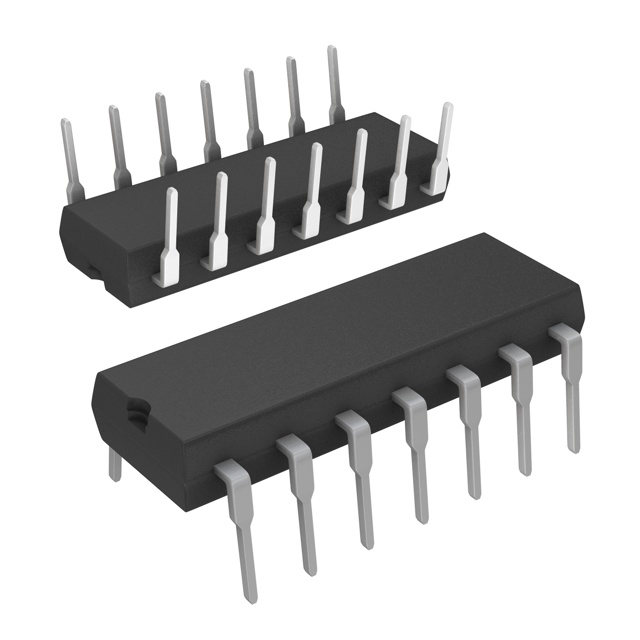 Texas Instruments | 4.5 V | 16 V | 0.3 " | 7.62 mm | 14-DIP | 555 Type Timer/Oscillator (Dual) | 70 °C | 0 °C | 100 kHz | Through Hole | 20 mA | |||
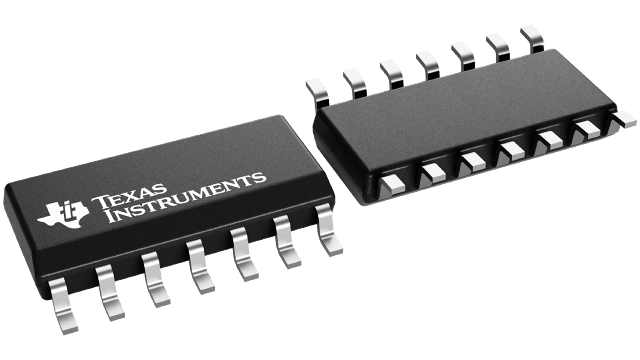 Texas Instruments | 4.5 V | 16 V | 0.154 in | 3.9 mm | 14-SOIC | 555 Type Timer/Oscillator (Dual) | 70 °C | 0 °C | 100 kHz | Surface Mount | 20 mA | |||
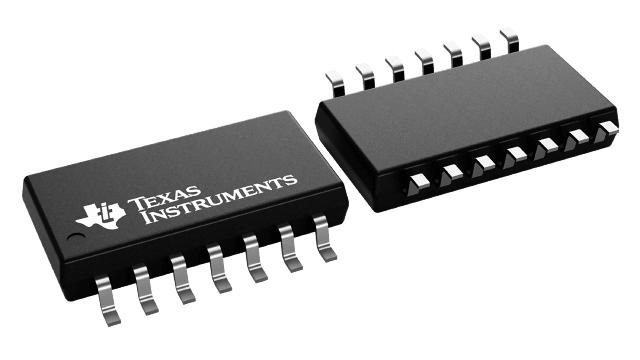 Texas Instruments | 4.5 V | 16 V | 0.209 " | 5.3 mm | 14-SOIC | 555 Type Timer/Oscillator (Dual) | 70 °C | 0 °C | 100 kHz | Surface Mount | 20 mA | 14-SO | ||
Texas Instruments | 4.5 V | 16 V | 0.154 in | 3.9 mm | 14-SOIC | 555 Type Timer/Oscillator (Dual) | 70 °C | 0 °C | 100 kHz | Surface Mount | 20 mA | |||
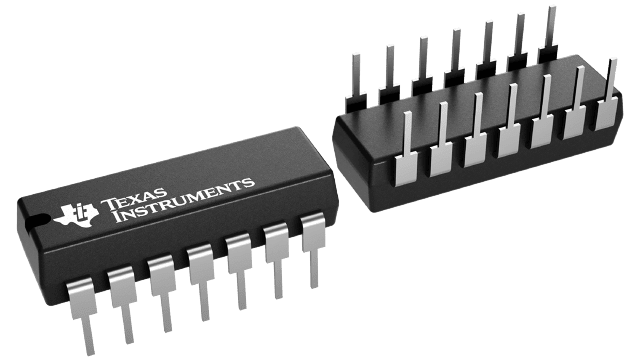 Texas Instruments | 4.5 V | 16 V | 0.3 " | 7.62 mm | 14-DIP | 555 Type Timer/Oscillator (Dual) | 70 °C | 0 °C | 100 kHz | Through Hole | 20 mA | |||
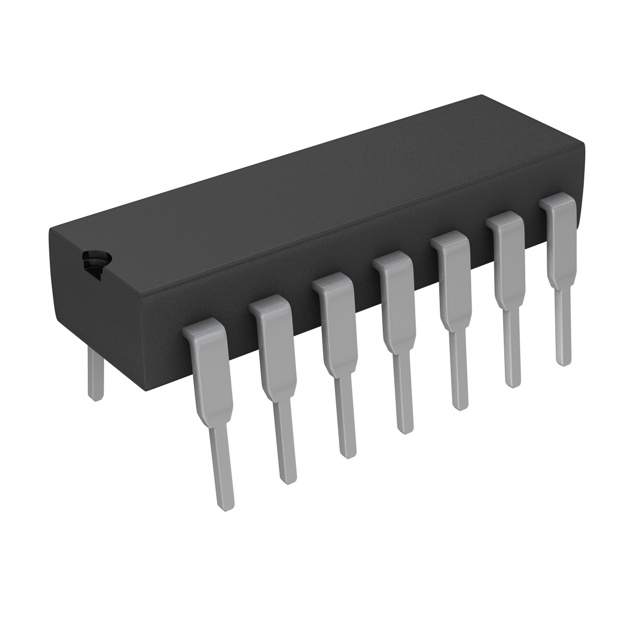 Texas Instruments | 4.5 V | 16 V | 0.3 " | 7.62 mm | 14-DIP | 555 Type Timer/Oscillator (Dual) | 70 °C | 0 °C | 100 kHz | Through Hole | 20 mA | |||
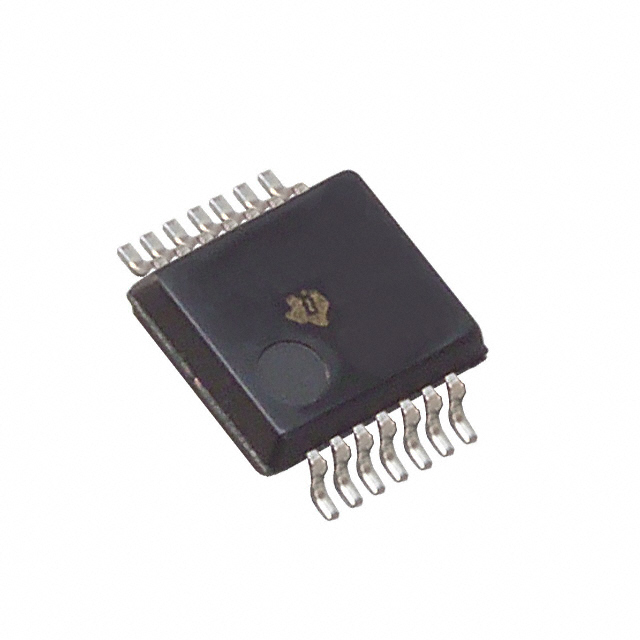 Texas Instruments | 4.5 V | 16 V | 14-SSOP | 555 Type Timer/Oscillator (Dual) | 70 °C | 0 °C | 100 kHz | Surface Mount | 20 mA | 14-SSOP | 5.3 mm | 0.209 " |
Pricing
Prices provided here are for design reference only. For realtime values and availability, please visit the distributors directly
| Distributor | Package | Quantity | $ | |
|---|---|---|---|---|
| Digikey | Tube | 1 | $ 1.17 | |
| 10 | $ 1.04 | |||
| 50 | $ 0.99 | |||
| 100 | $ 0.81 | |||
| 250 | $ 0.76 | |||
| 500 | $ 0.67 | |||
| 1000 | $ 0.53 | |||
| 2500 | $ 0.49 | |||
| 5000 | $ 0.47 | |||
| Texas Instruments | TUBE | 1 | $ 1.00 | |
| 100 | $ 0.68 | |||
| 250 | $ 0.53 | |||
| 1000 | $ 0.35 | |||
Description
General part information
NE556 Series
The Nx556 and Sx556 devices provide two independent timing circuits of the NA555, NE555, SA555, or SE555 type in each package. These circuits operate in an astable or monostable mode with external resistor-capacitor (RC) timing control. The basic timing provided by the RC time constant is controlled actively by modulating the bias of the control-voltage input.
Each timer has a trigger level equal to approximately one-third of the supply voltage and a threshold level equal to approximately two-thirds of the supply voltage. These levels can be altered by use of the control voltage pin (CONT). When the trigger input (TRIG) is less than the trigger level, the flip-flop is set and the output goes high. If TRIG is greater than the trigger level and the threshold input (THRES) is greater than the threshold level, the flip-flop is reset and the output is low. The reset input (RESET) overrides all other inputs and is used to initiate a new timing cycle. If RESET is low, the flip-flop is reset and the output is low. Whenever the output is low, a low-impedance path is provided between the discharge pin (DISCH) and the ground pin (GND). Tie all unused inputs to an appropriate logic level to prevent false triggering.
The Nx556 and Sx556 devices provide two independent timing circuits of the NA555, NE555, SA555, or SE555 type in each package. These circuits operate in an astable or monostable mode with external resistor-capacitor (RC) timing control. The basic timing provided by the RC time constant is controlled actively by modulating the bias of the control-voltage input.
Documents
Technical documentation and resources