Deep-Dive with AI
Search across all available documentation for this part.
Deep-Dive with AI
Technical Specifications
Parameters and characteristics for this part
| Specification | OPA4277UAE4 |
|---|---|
| Amplifier Type | General Purpose |
| Current - Input Bias | 4 nA |
| Current - Output / Channel | 35 mA |
| Gain Bandwidth Product | 1 MHz |
| Mounting Type | Surface Mount |
| Number of Circuits | 4 |
| Operating Temperature [Max] | 85 °C |
| Operating Temperature [Min] | -40 °C |
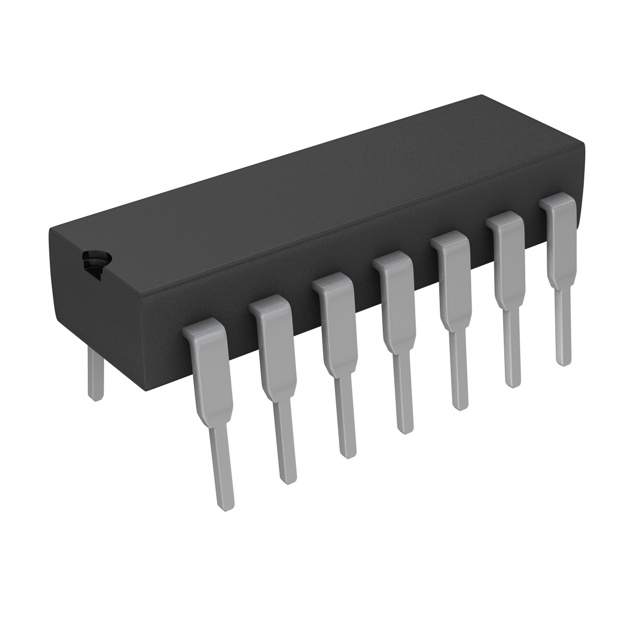
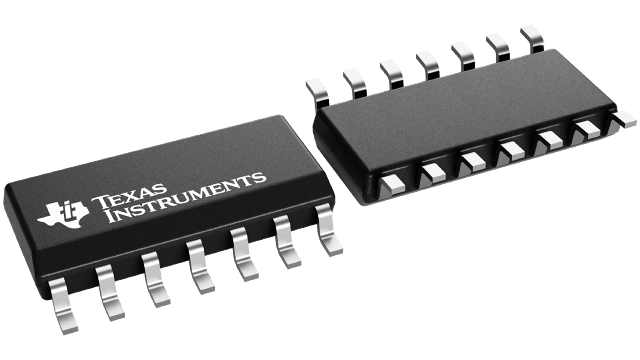
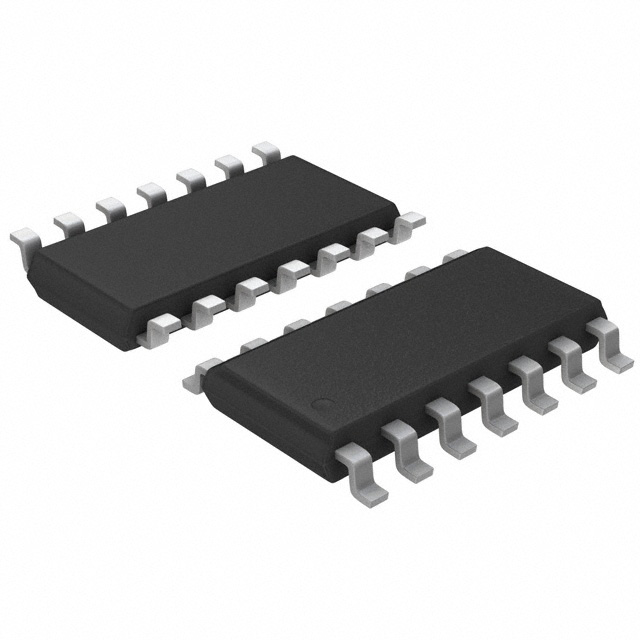
| Package / Case | 14-SOIC |
| Package / Case [x] | 0.154 in |
| Package / Case [y] | 3.9 mm |
| Slew Rate | 0.8 V/µs |
| Voltage - Input Offset | 20 çV |
| Voltage - Supply Span (Max) [Max] | 36 V |
| Voltage - Supply Span (Min) [Min] | 4 V |
Pricing
Prices provided here are for design reference only. For realtime values and availability, please visit the distributors directly
| Distributor | Package | Quantity | $ | |
|---|---|---|---|---|
Description
General part information
OPA4277-EP Series
The OPA4277-EP precision operational amplifier replaces the industry standard OP-177. It offers improved noise, wider output voltage swing, and is twice as fast with half the quiescent current. Features include ultra-low offset voltage and drift, low bias current, high common-mode rejection, and high power supply rejection.
The OPA4277-EP operates from ±2- to ±18-V supplies with excellent performance. Unlike most operational amplifiers which are specified at only one supply voltage, the OPA4277-EP precision operational amplifier is specified for real-world applications; a single limit applies over the ±5- to ±15-V supply range. High performance is maintained as the amplifier swings to the specified limits. Because the initial offset voltage (±20-µV max) is so low, user adjustment is usually not required.
The OPA4277-EP is easy to use and free from phase inversion and overload problems found in some operational amplifiers. It is stable in unity gain and provides excellent dynamic behavior over a wide range of load conditions. The OPA4277-EP features completely independent circuitry for lowest crosstalk and freedom from interaction, even when overdriven or overloaded.
Documents
Technical documentation and resources
No documents available